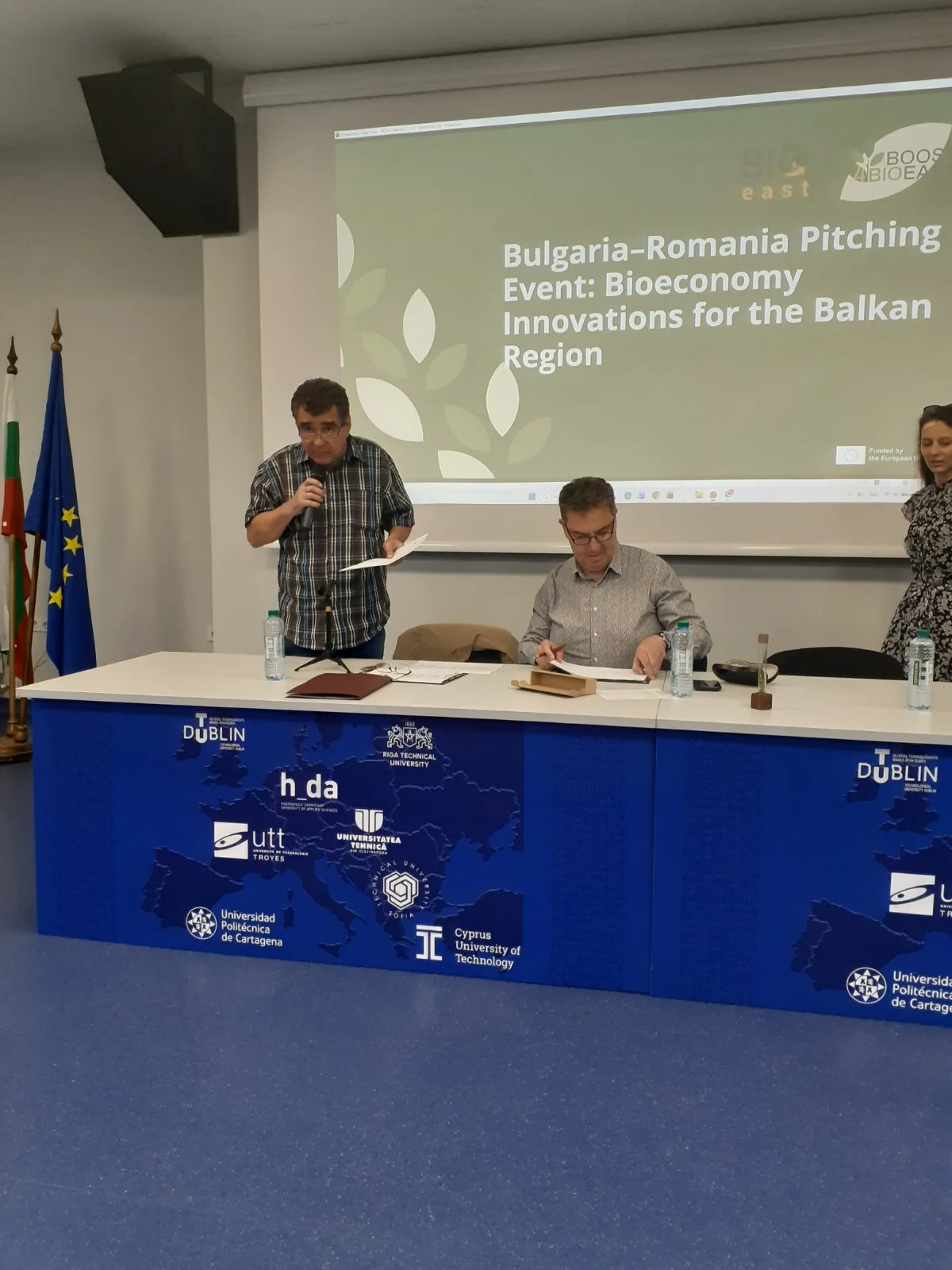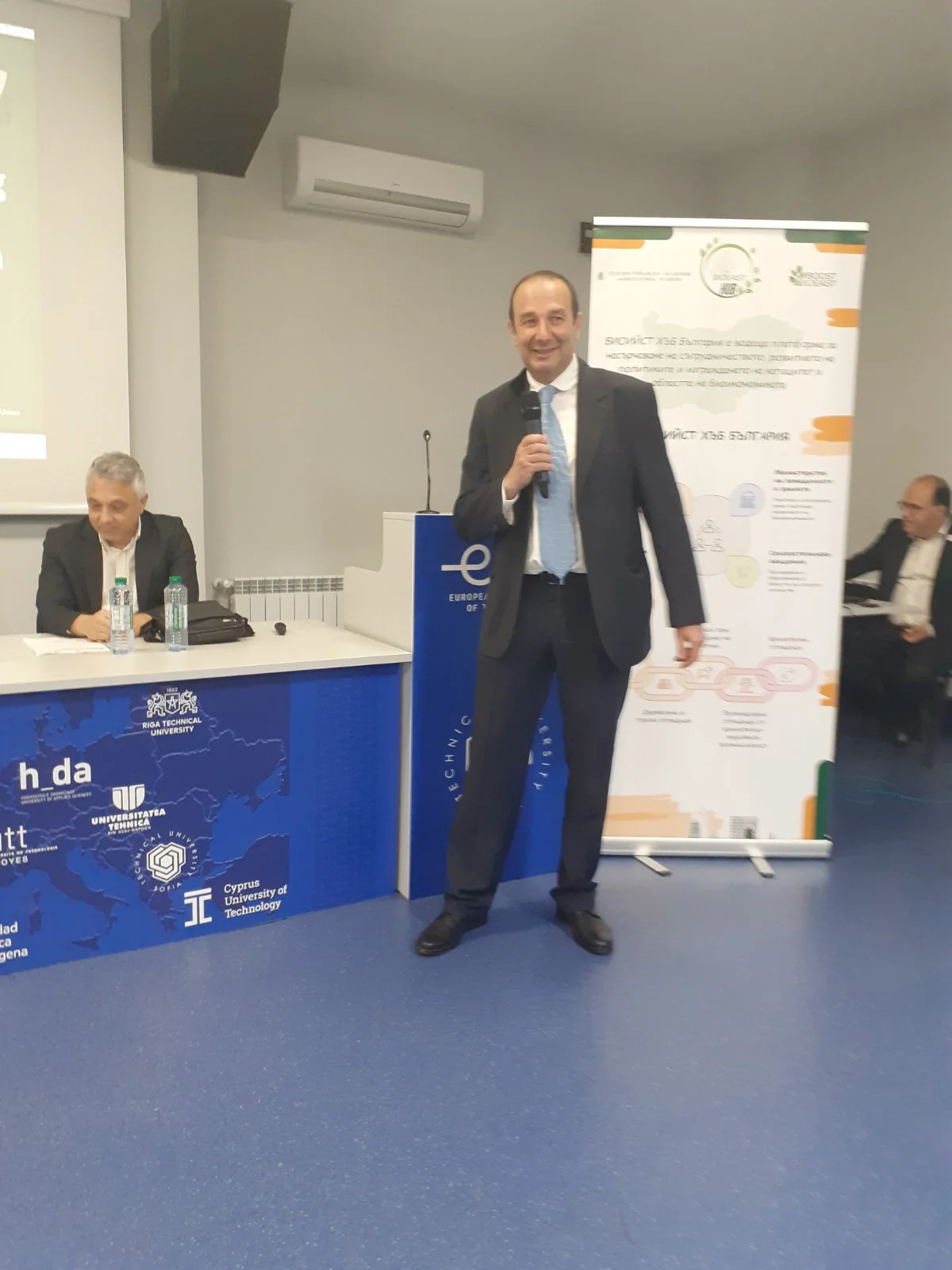

Two Bulgarian agricultural technologies with the potential to significantly reduce the use of chemical pesticides took the top two places at the Bulgaria–Romania Pitching Event: Bioeconomy Innovations for the Balkan Region, held on 11 June 2026 at the Technical University of Sofia.
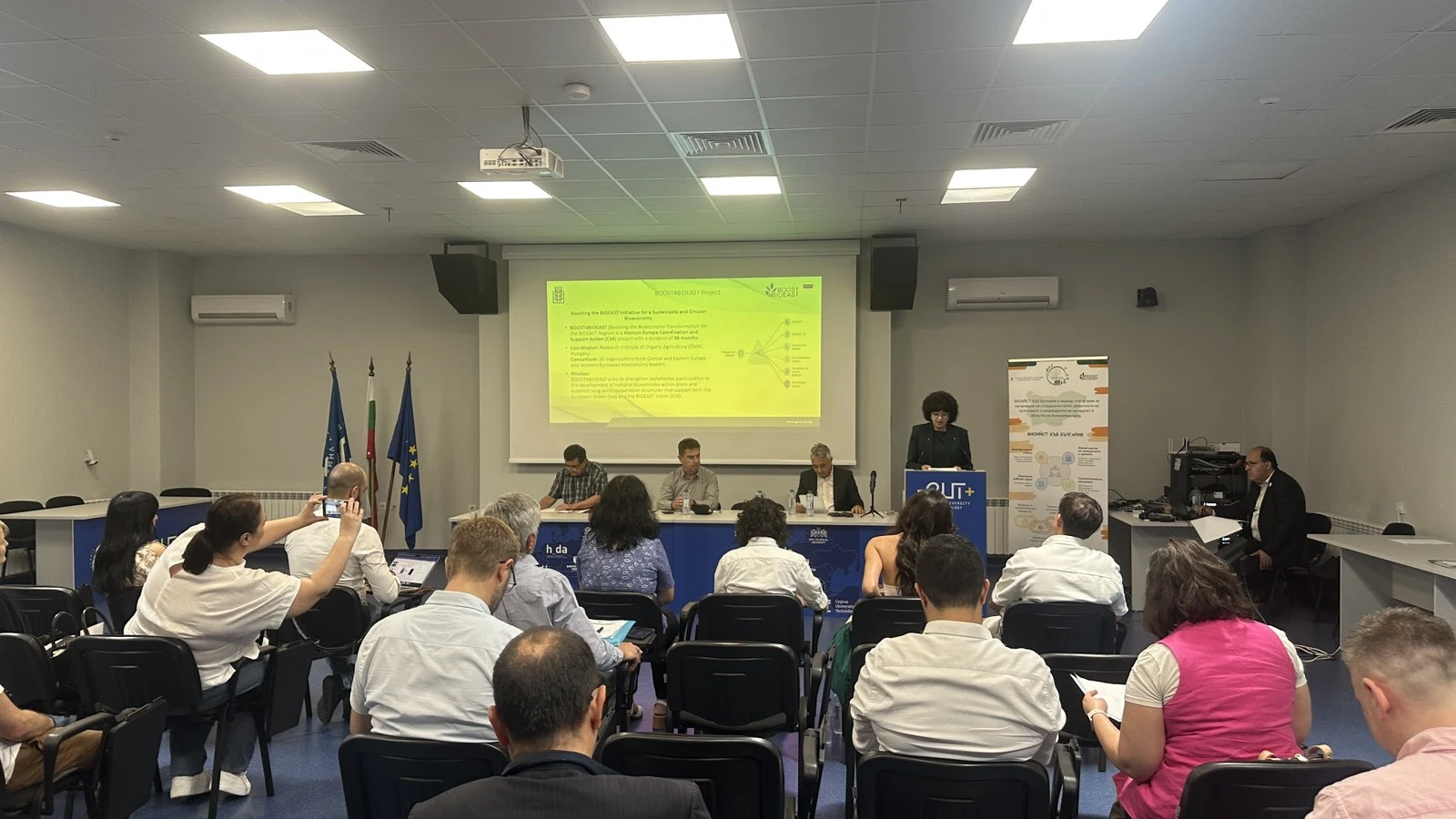
The event was organised under the BIOEAST Initiative and the BOOST4BIOEAST project, in cooperation with the Bulgarian and Romanian BIOEAST Hubs. Its aim was to connect promising bioeconomy innovators with investors, business experts, public-sector representatives and other stakeholders, helping innovative solutions move closer to practical implementation and market uptake. The event was organised in partnership with Cleantech Bulgaria and was linked to the wider innovation activities taking place at the Technical University of Sofia.
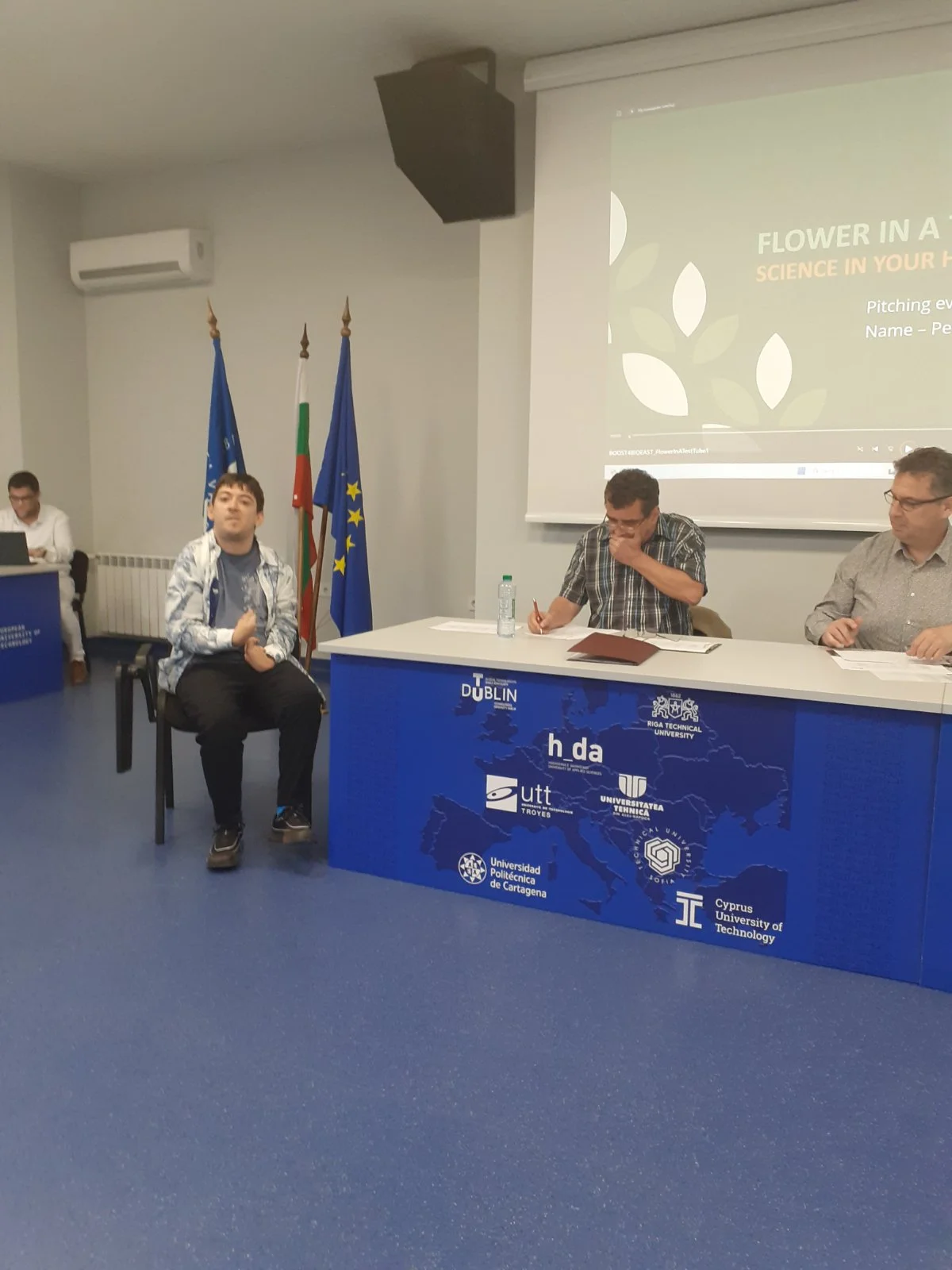
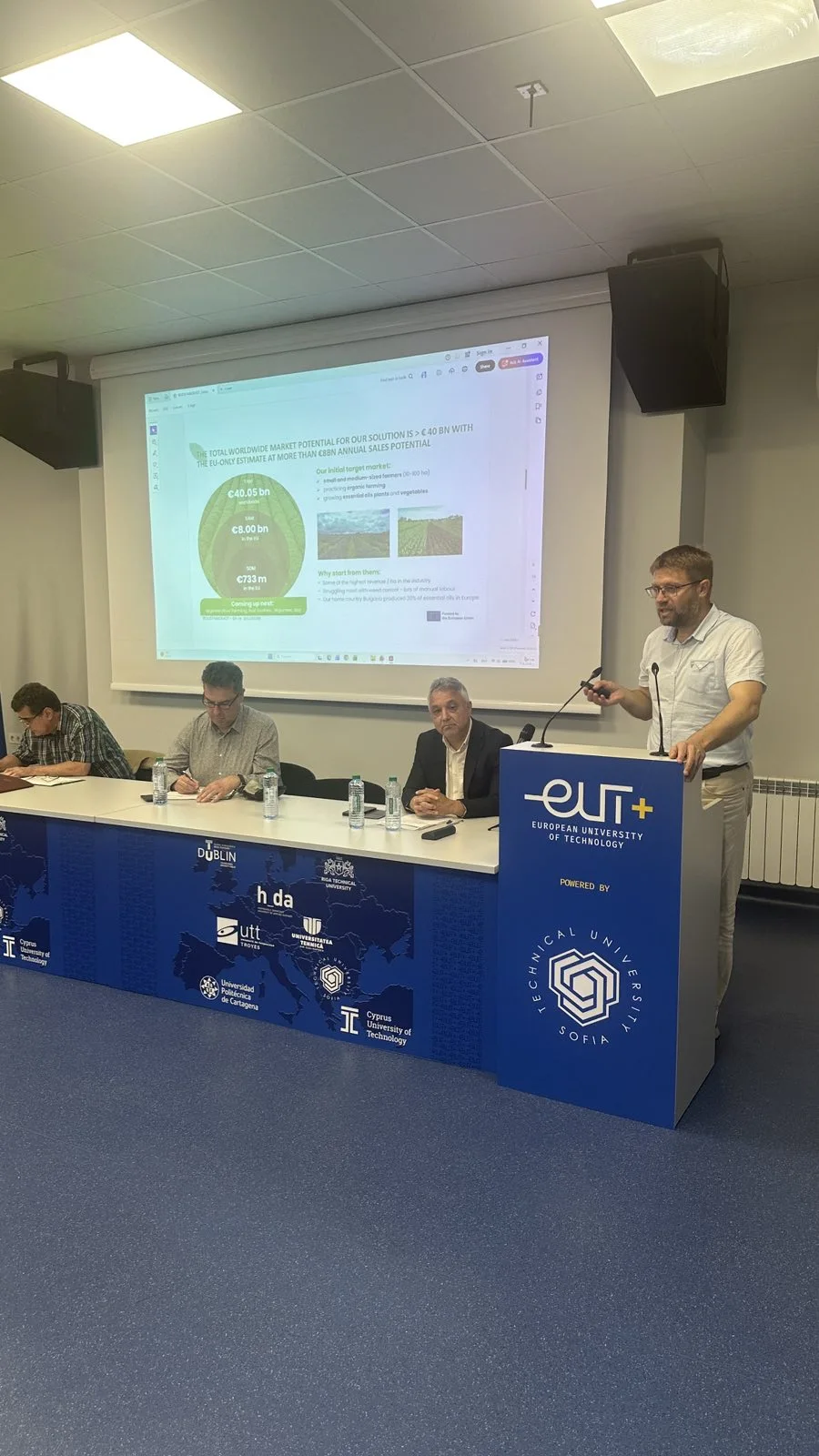
The on-site event brought together start-ups, innovative companies, researchers and bioeconomy actors from Bulgaria and Romania. Eight teams presented solutions covering sustainable agriculture, biotechnology, aquaculture, renewable energy, circular materials, digitalisation and skills development. The programme included presentations by Smart Farm Robotix, Scepter, Stivo Tech, Green Evo, Moderni Technologii, EcoInvent, Flower in a Test Tube and Clavis Center from Romania. Each team was given the opportunity to present the problem it addresses, its proposed solution, innovation potential, target market and expected impact.
The event was opened by Prof. Dr Iliyana Nacheva, Deputy Chairperson of the Agricultural Academy, who also introduced the BOOST4BIOEAST project. The invited evaluators were Prof. Dr Ivan Penov, Head of the Economics Department at the Agricultural University – Plovdiv and CEO of the Earth – Source of Income Foundation, and PhD Teodor Isbăsescu, Executive Manager at Master Consult Project, Romania. Following the pitching sessions, the programme concluded with a discussion, evaluation of the presented solutions and an award ceremony.
Moderni Technologii Ltd., presenting its innovative Tutamor moth-control technology, was selected as the winner, while Smart Farm Robotix Ltd. took second place with its autonomous robotic weeding solution. Both innovations attracted attention for their potential to support more sustainable crop protection and reduce farmers’ dependence on chemical inputs, contributing to the broader sustainability objectives of the EU Common Agricultural Policy.
The winning innovation, developed by Moderni Technologii Ltd., provides an alternative approach to controlling moth pests, including tomato leafminer (Tuta absoluta), one of the most damaging pests in tomato production. The Tutamor system operates at night and controls moths without the use of chemicals, pheromones or consumables. It is compatible with biological crop-protection practices and can operate from the electricity grid, a battery or, optionally, solar power. The solution was recognised particularly for its potential to contribute to reducing pesticide use in crop production, while offering farmers a practical and relatively simple technology that can be integrated into existing production systems.
“Winning the Bulgaria–Romania BIOEAST pitching event give me additional confidence that technologies such as Tutamor can contribute to reducing pesticide use while maintaining effective crop protection. Our next goal is to start production and promote the technology among agricultural producers” said inventor Tervel Nikolov.
Second place went to Smart Farm Robotix Ltd., which developed a lightweight autonomous robot for weed management. The electrically powered platform uses cameras, artificial intelligence and positioning sensors to distinguish weeds from crops and navigate autonomously through the field. Weeds can then be removed mechanically or through a precisely targeted energy beam, depending on the type and size of the weed and field conditions. The contactless system targets an area of only 2–4 cm² and can operate very close to crop plants without damaging them. The technology is compatible with organic farming requirements and provides another approach to reducing reliance on herbicides and other chemical inputs.
The diversity of the presented technologies reflected the wider objectives of BOOST4BIOEAST: strengthening regional innovation ecosystems, connecting science and business, and supporting the development and commercialisation of sustainable bioeconomy solutions throughout Central and Eastern Europe. The event also created opportunities for knowledge exchange, networking and future collaboration between start-ups, researchers, innovation-support organisations and other stakeholders.