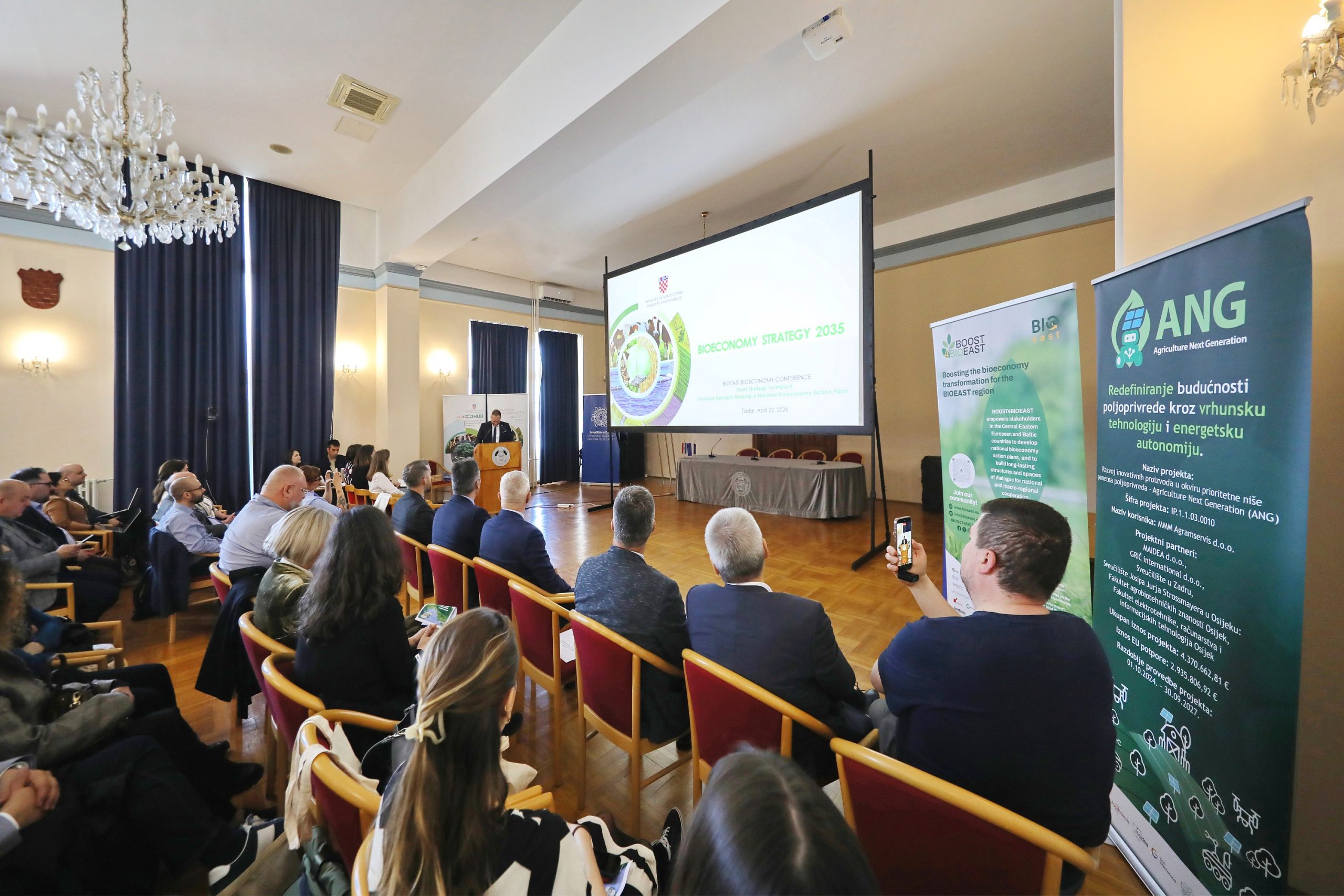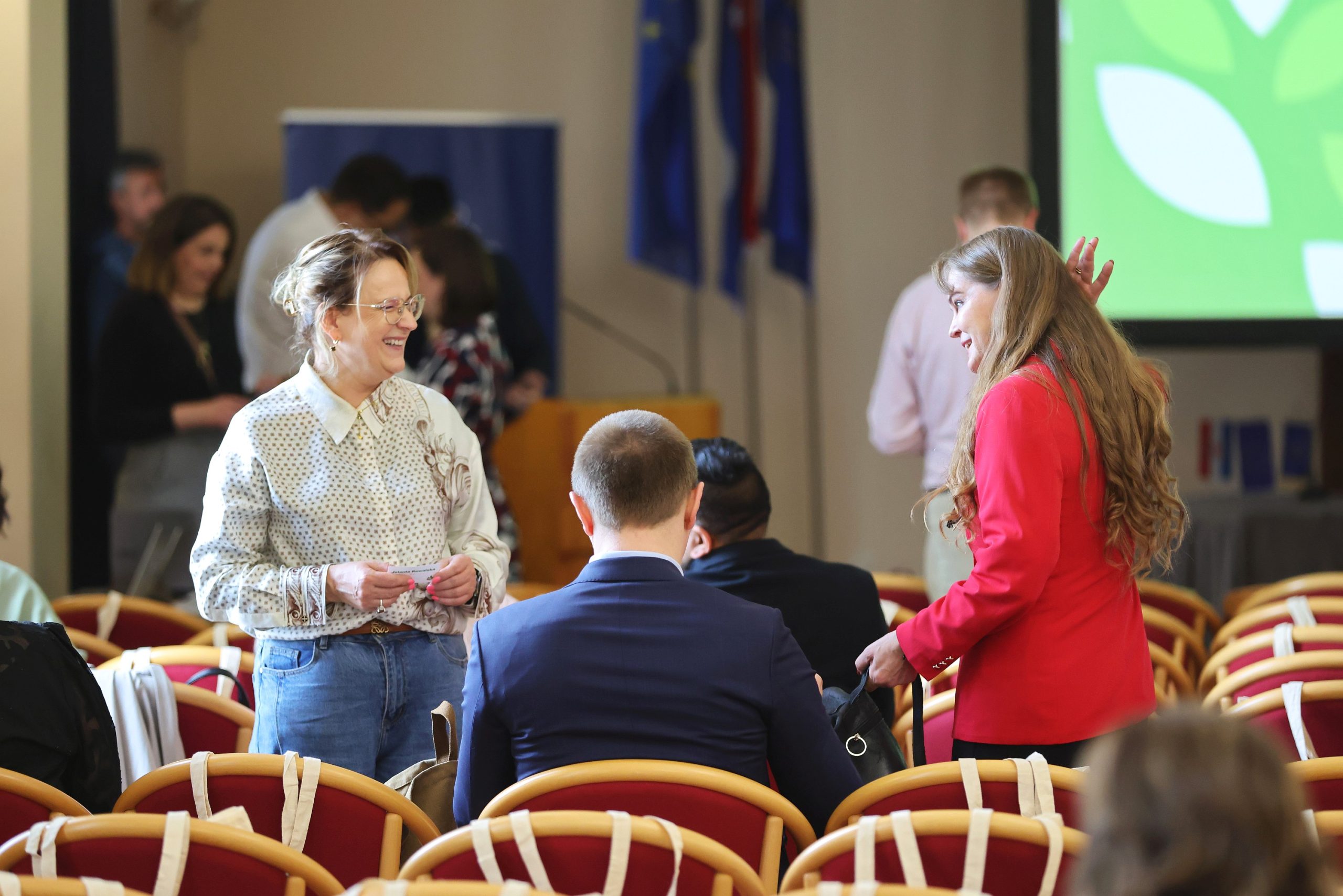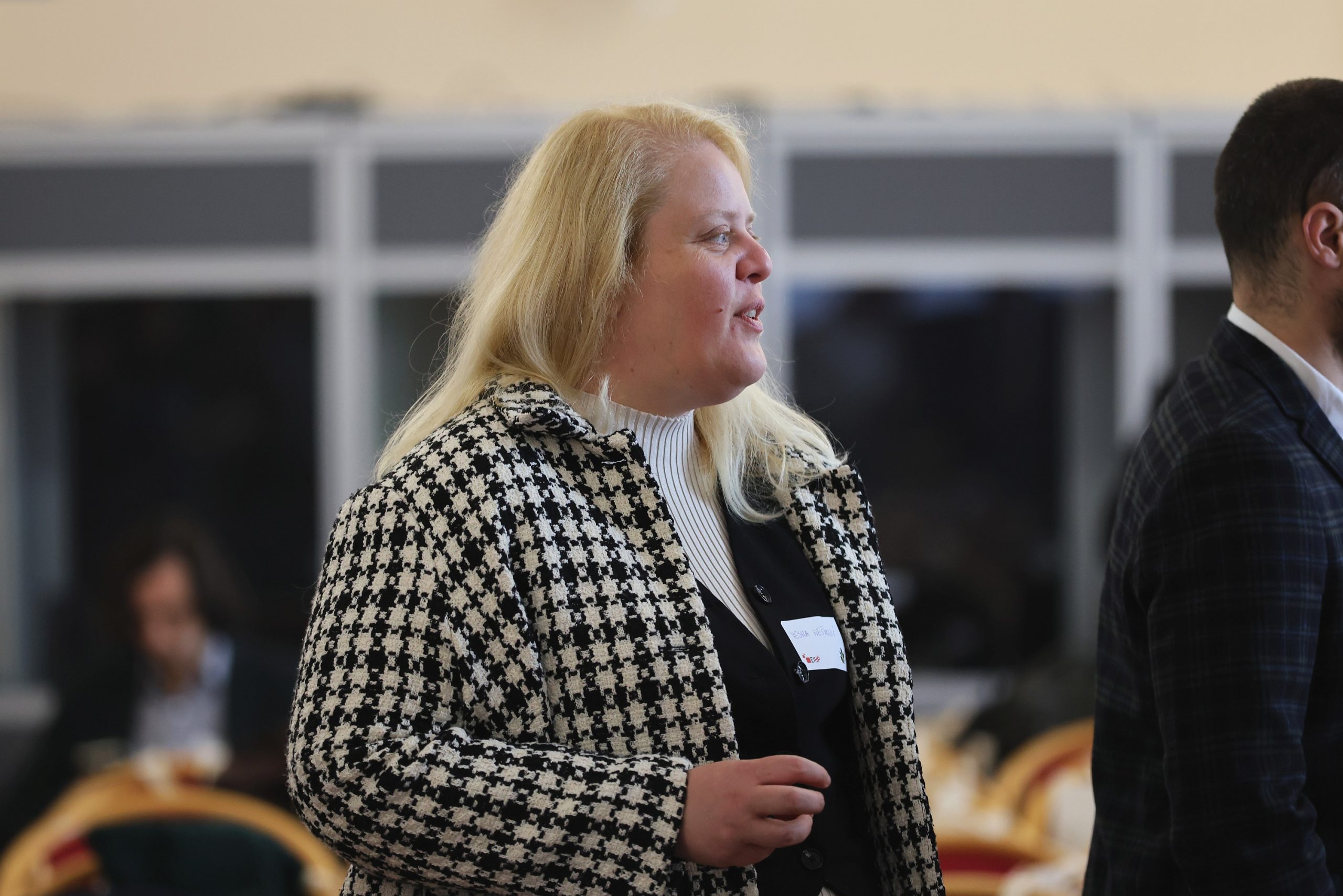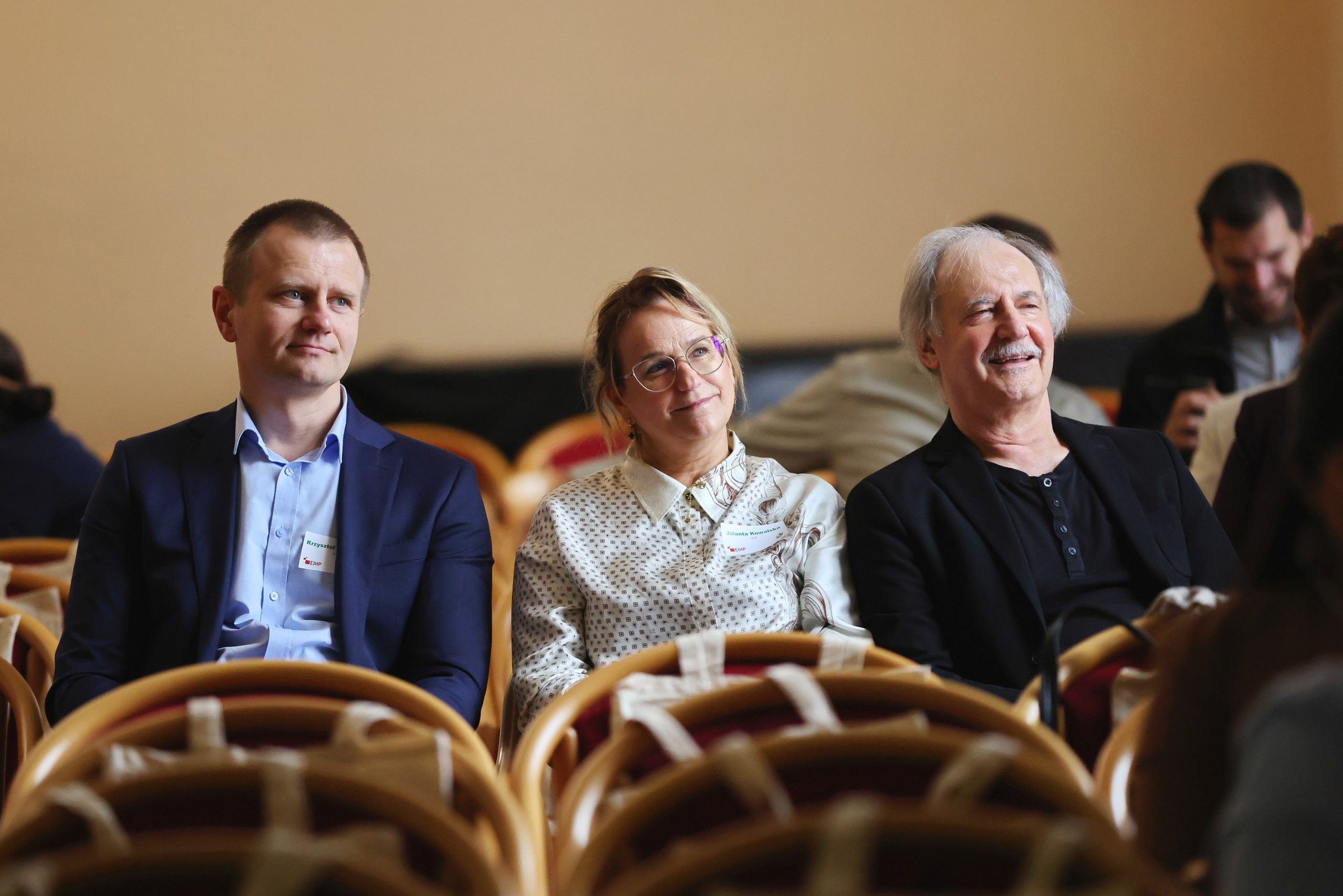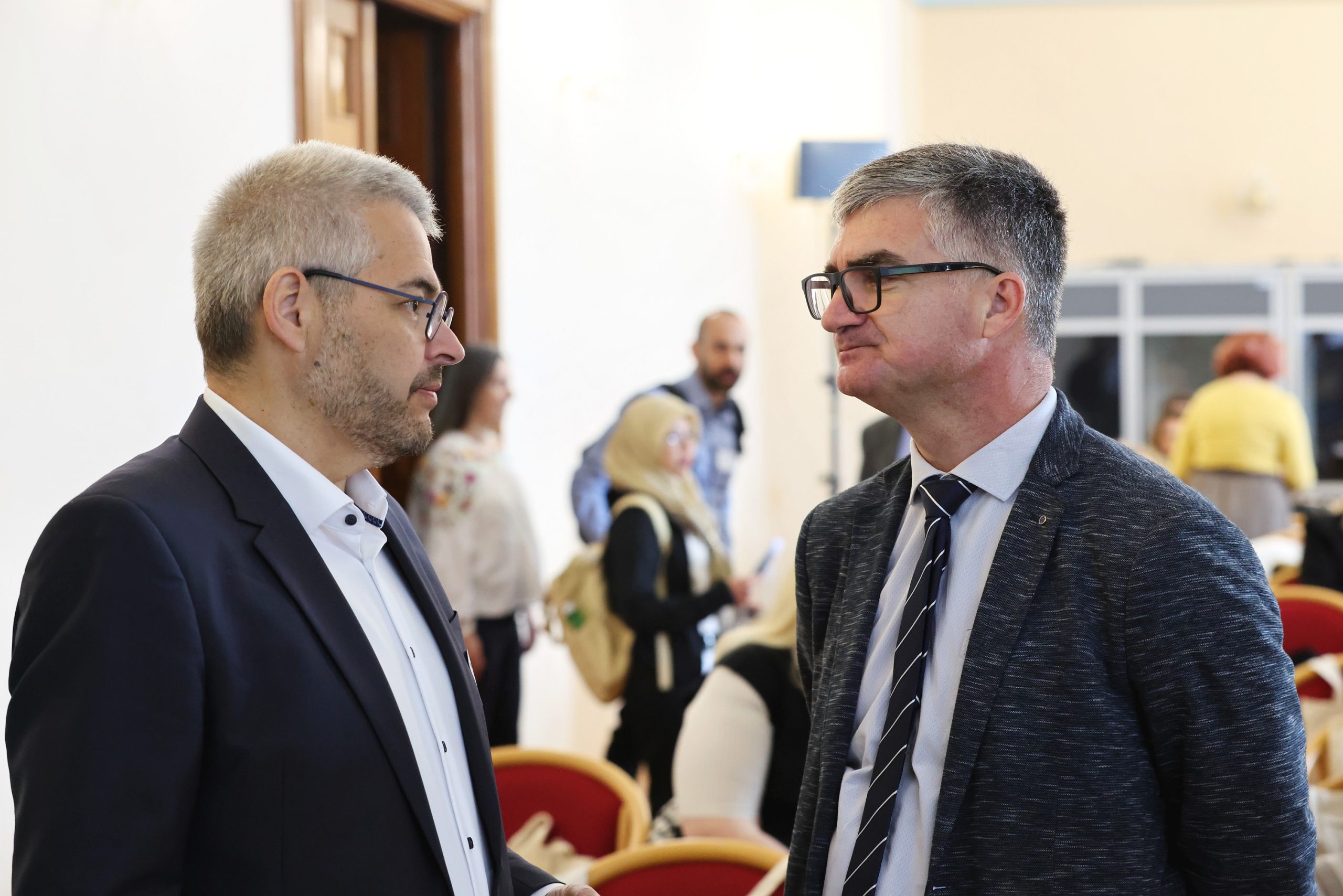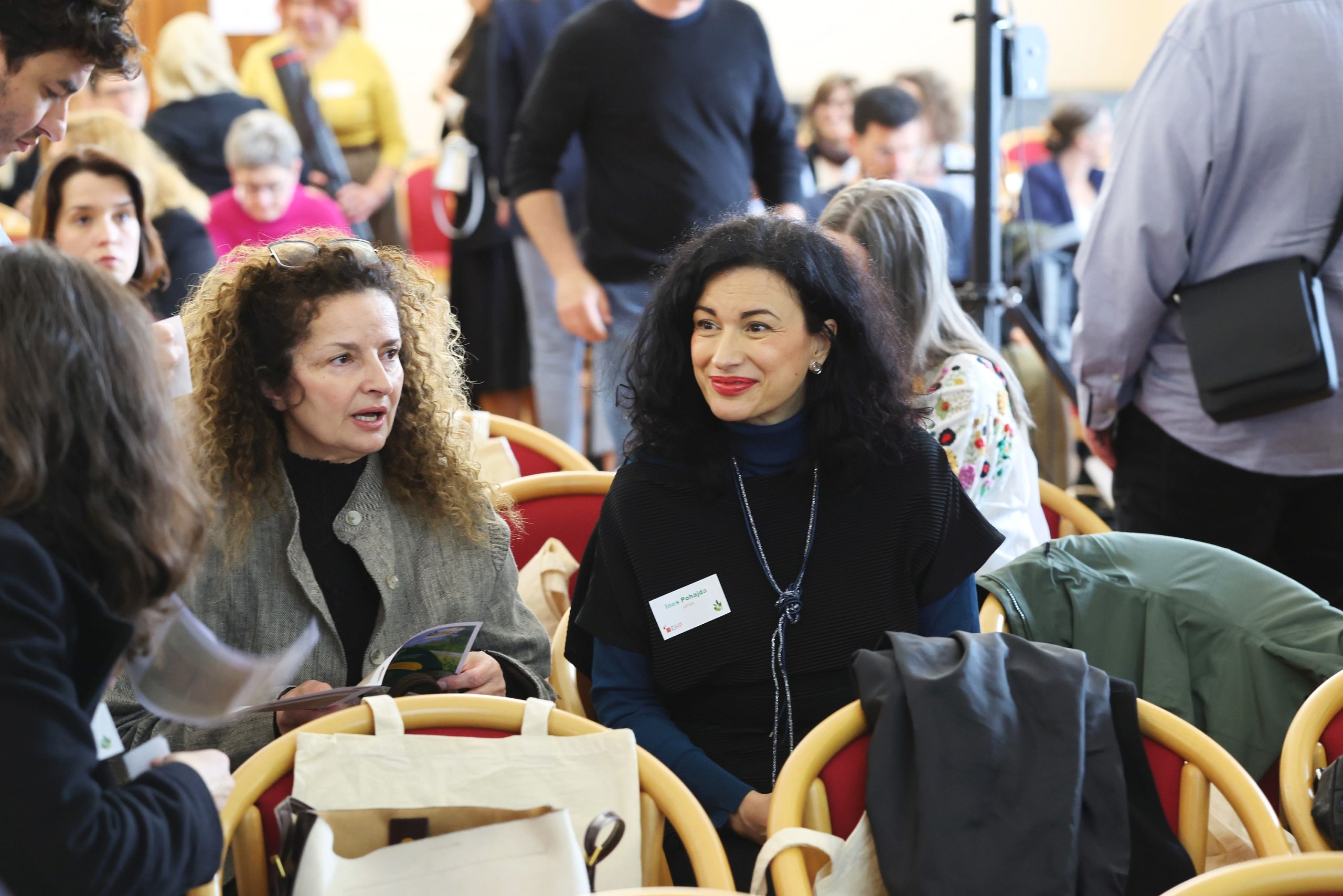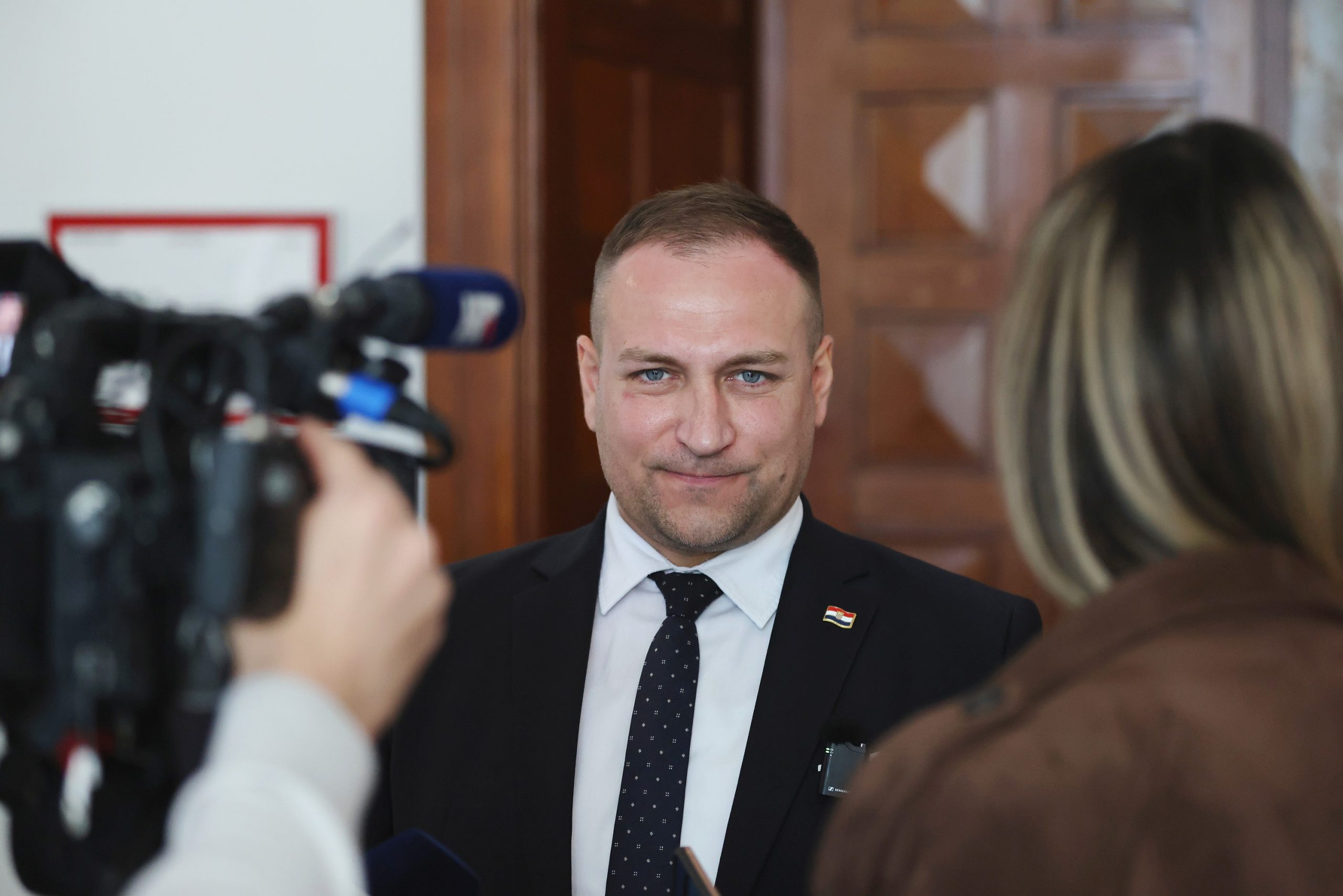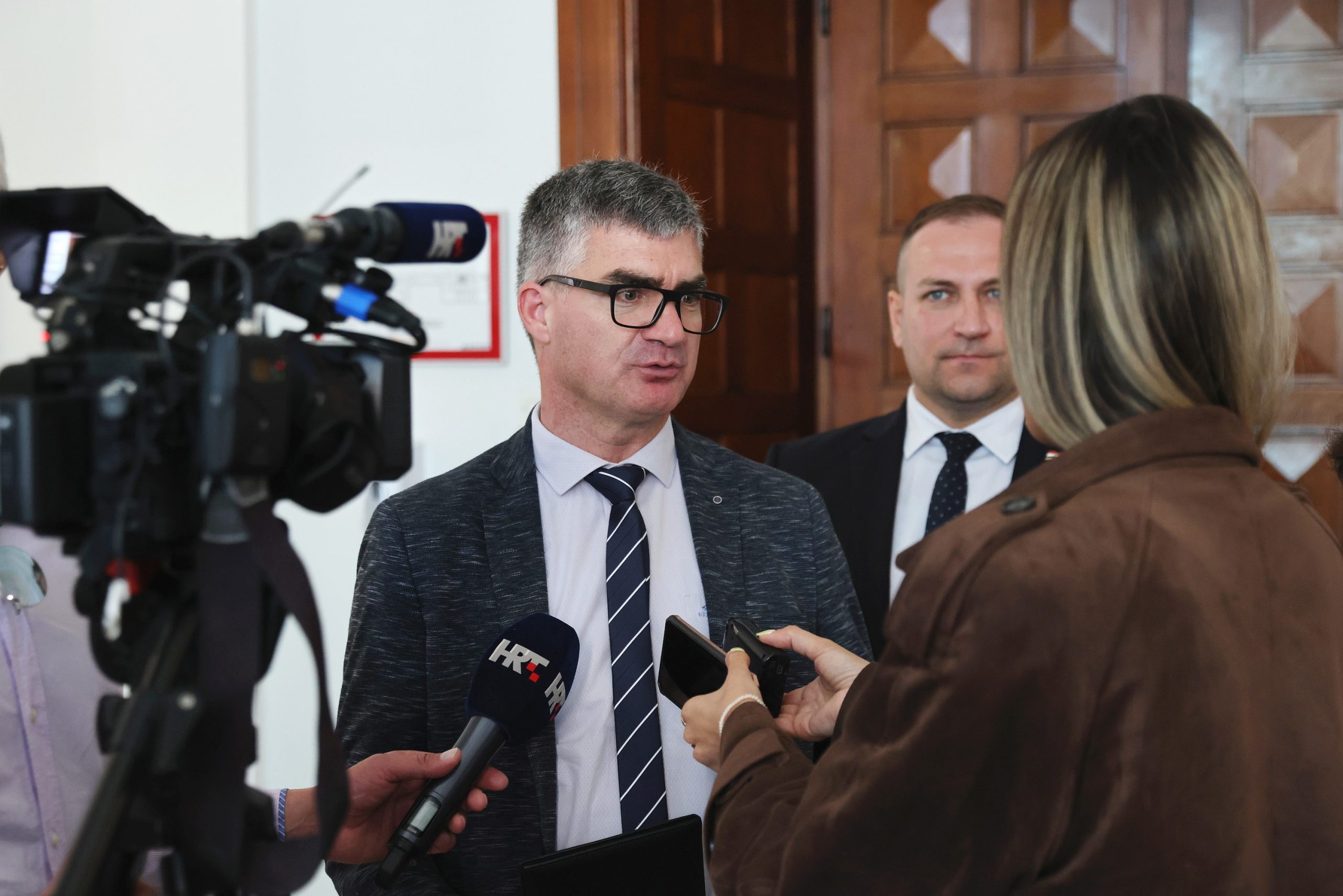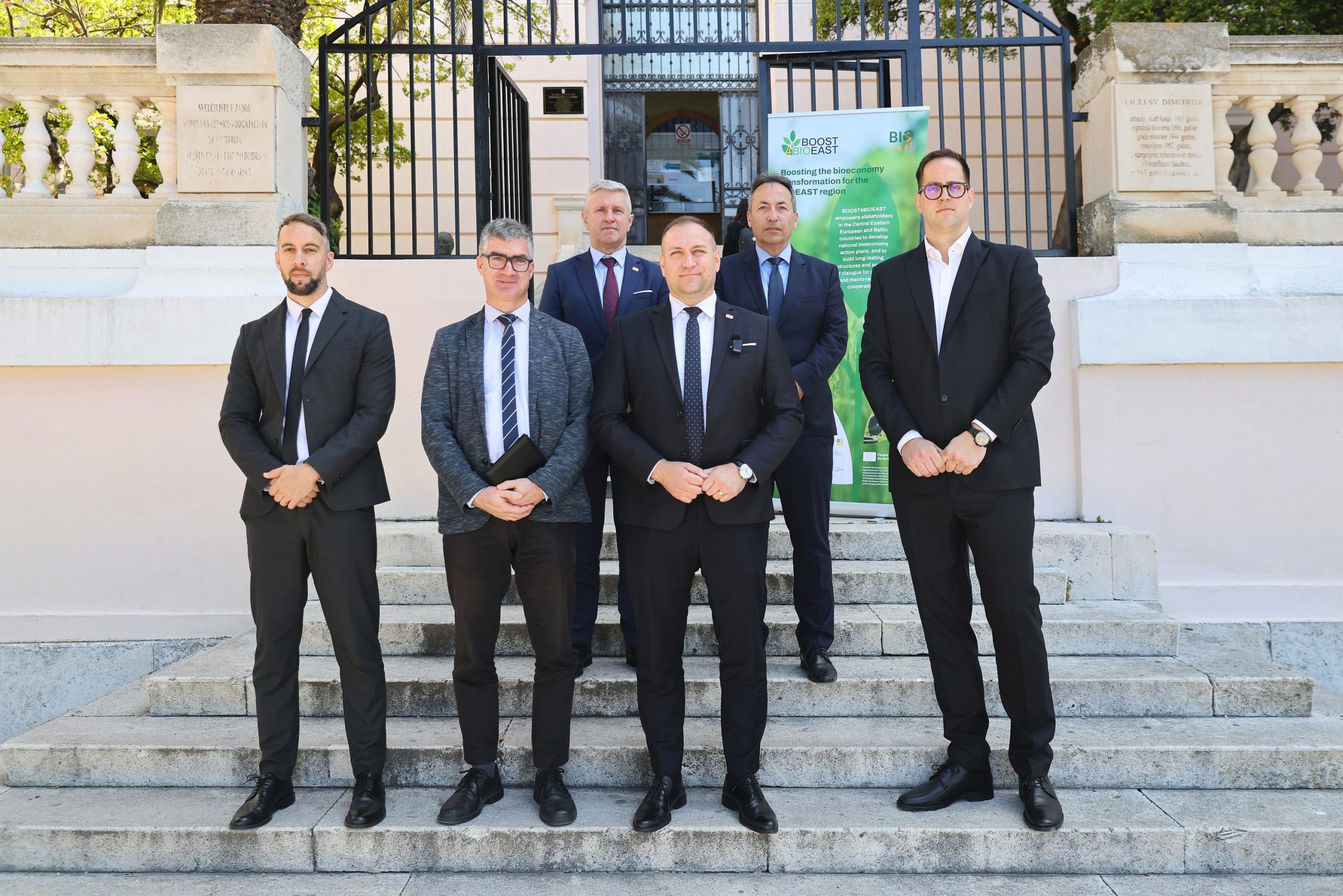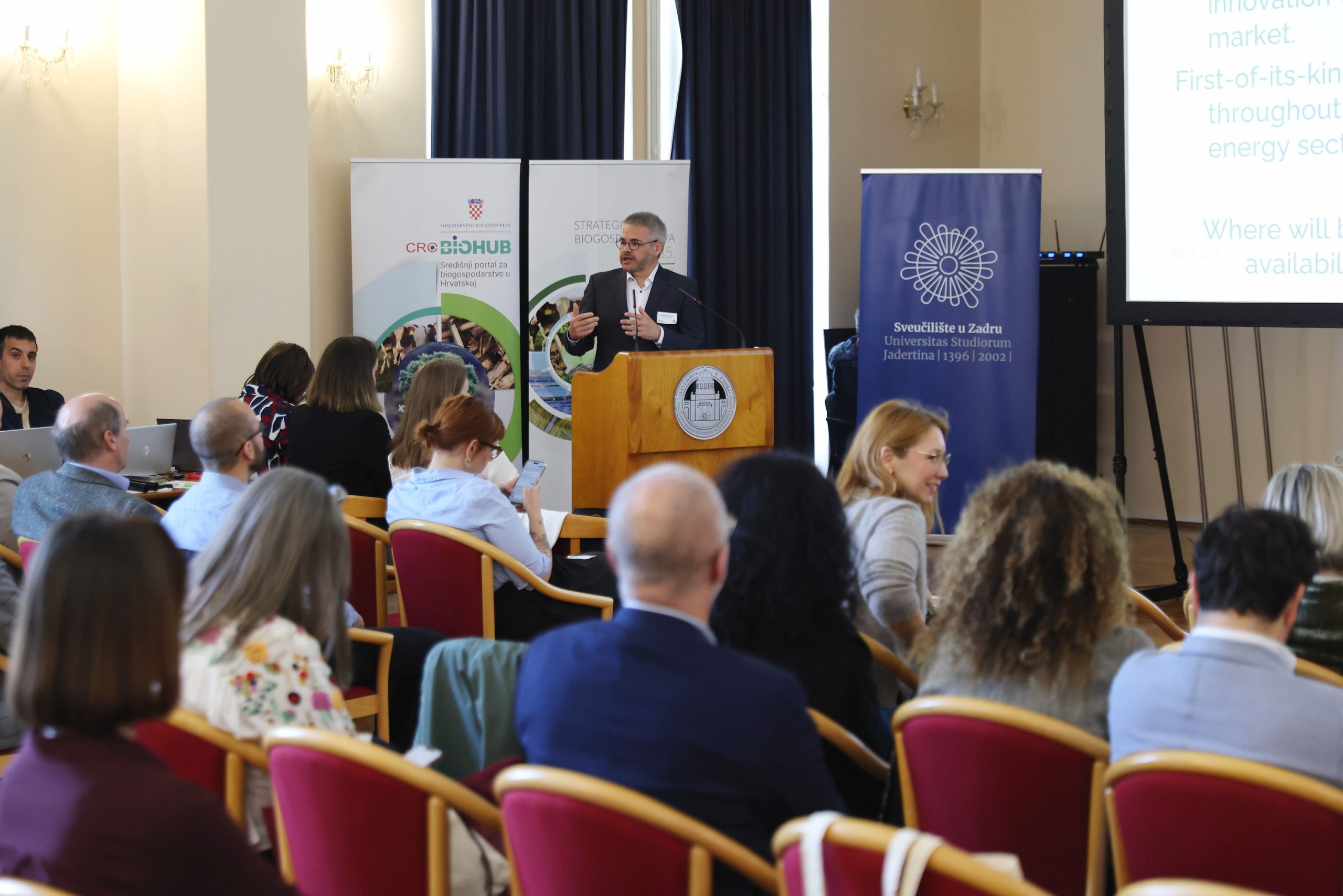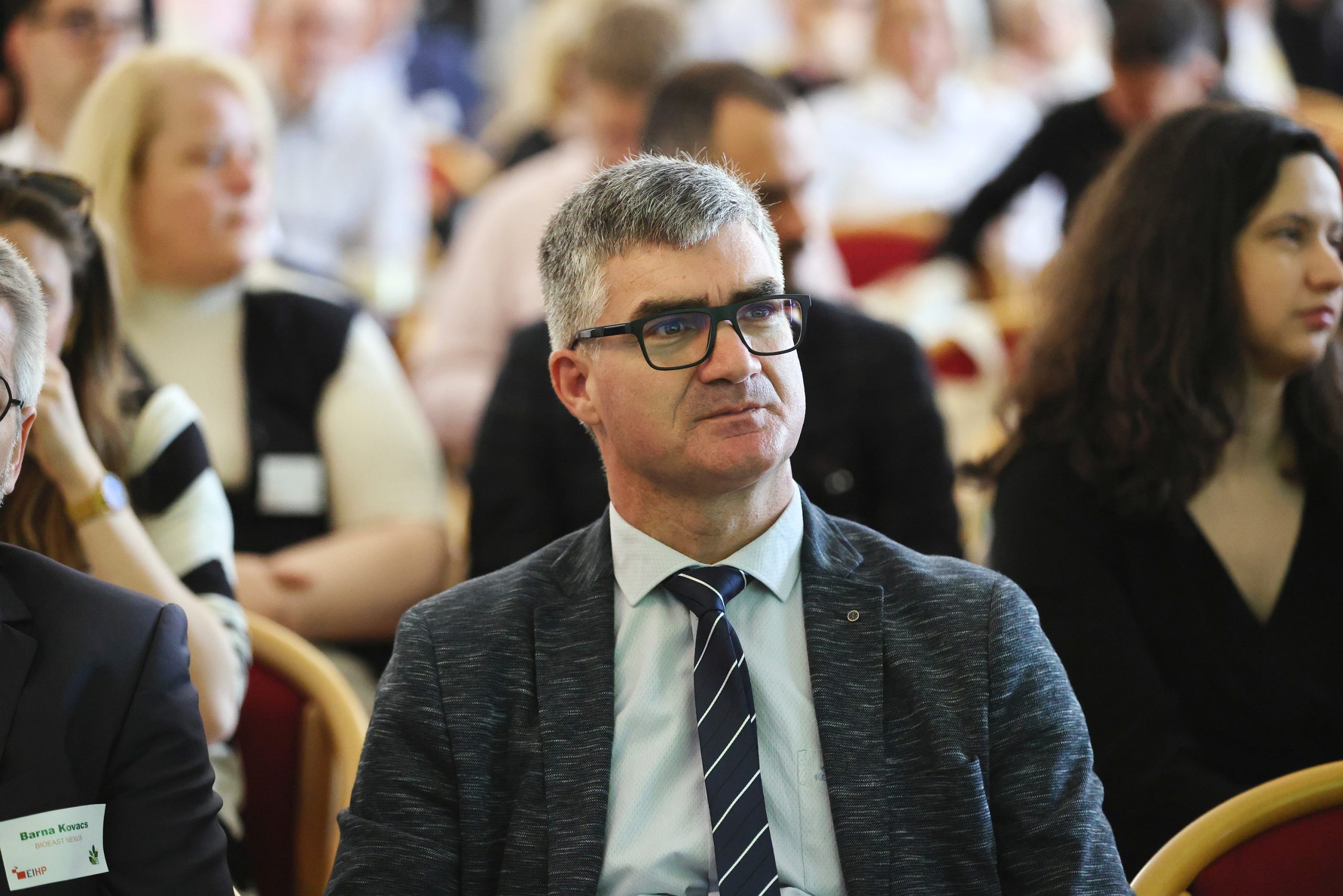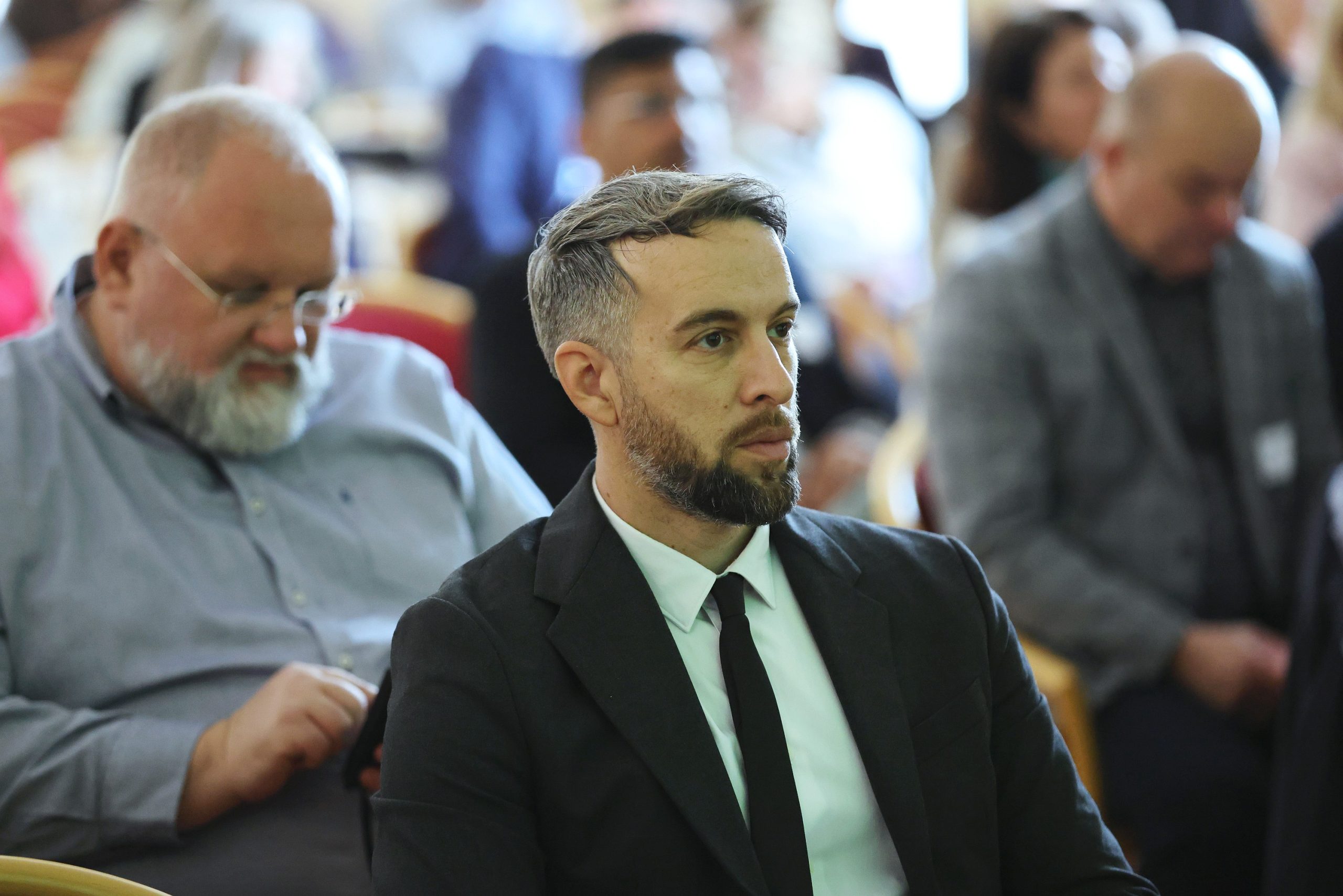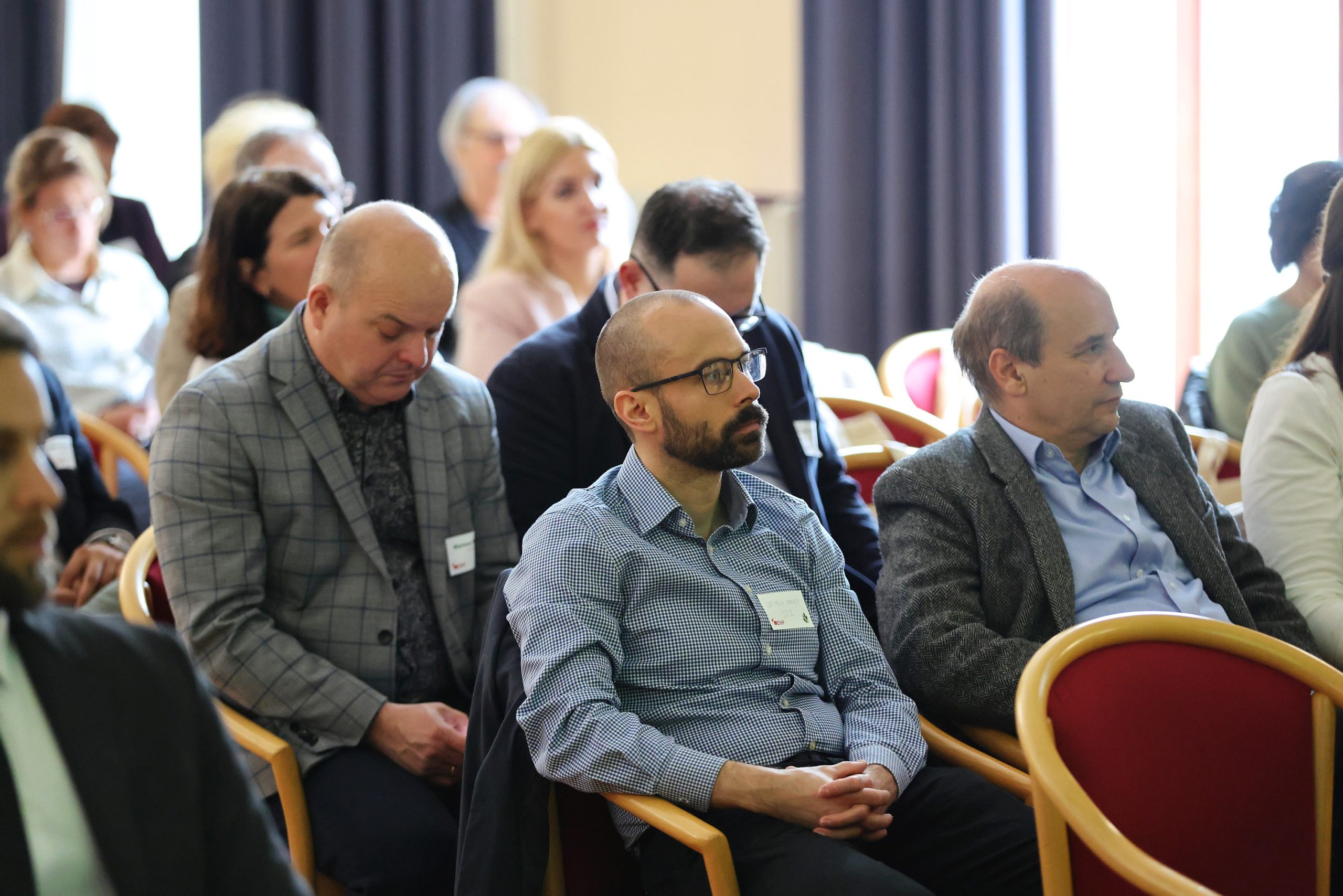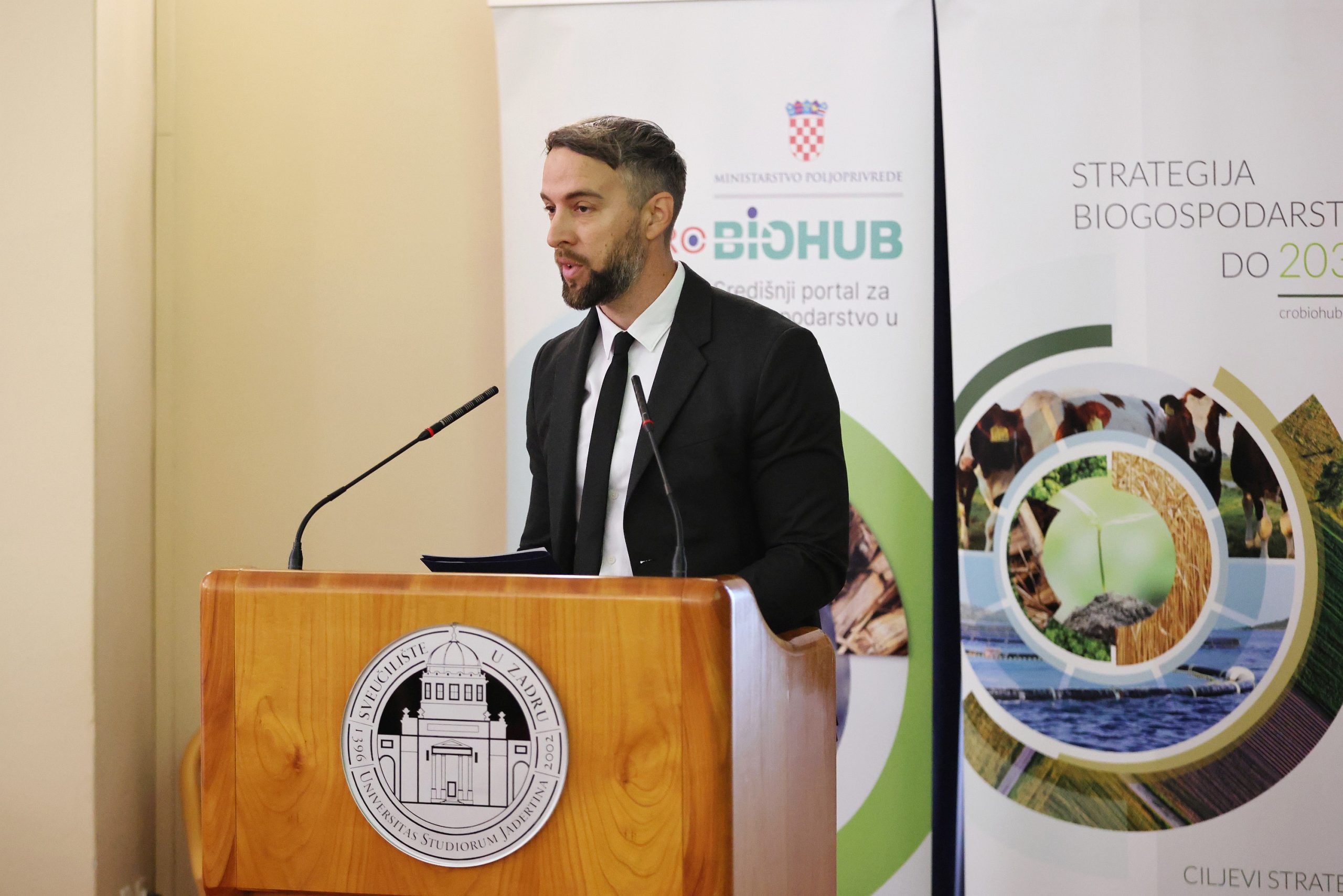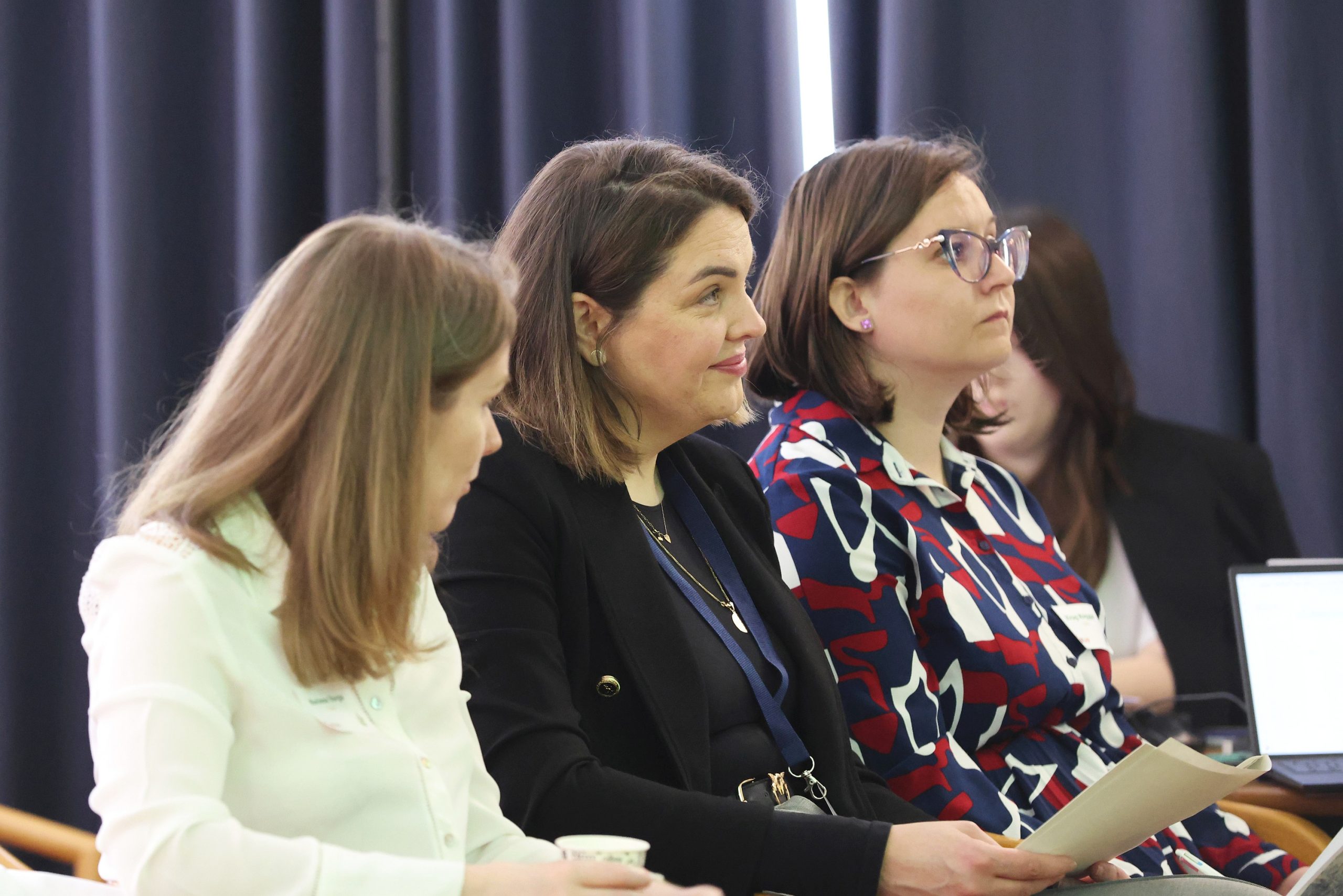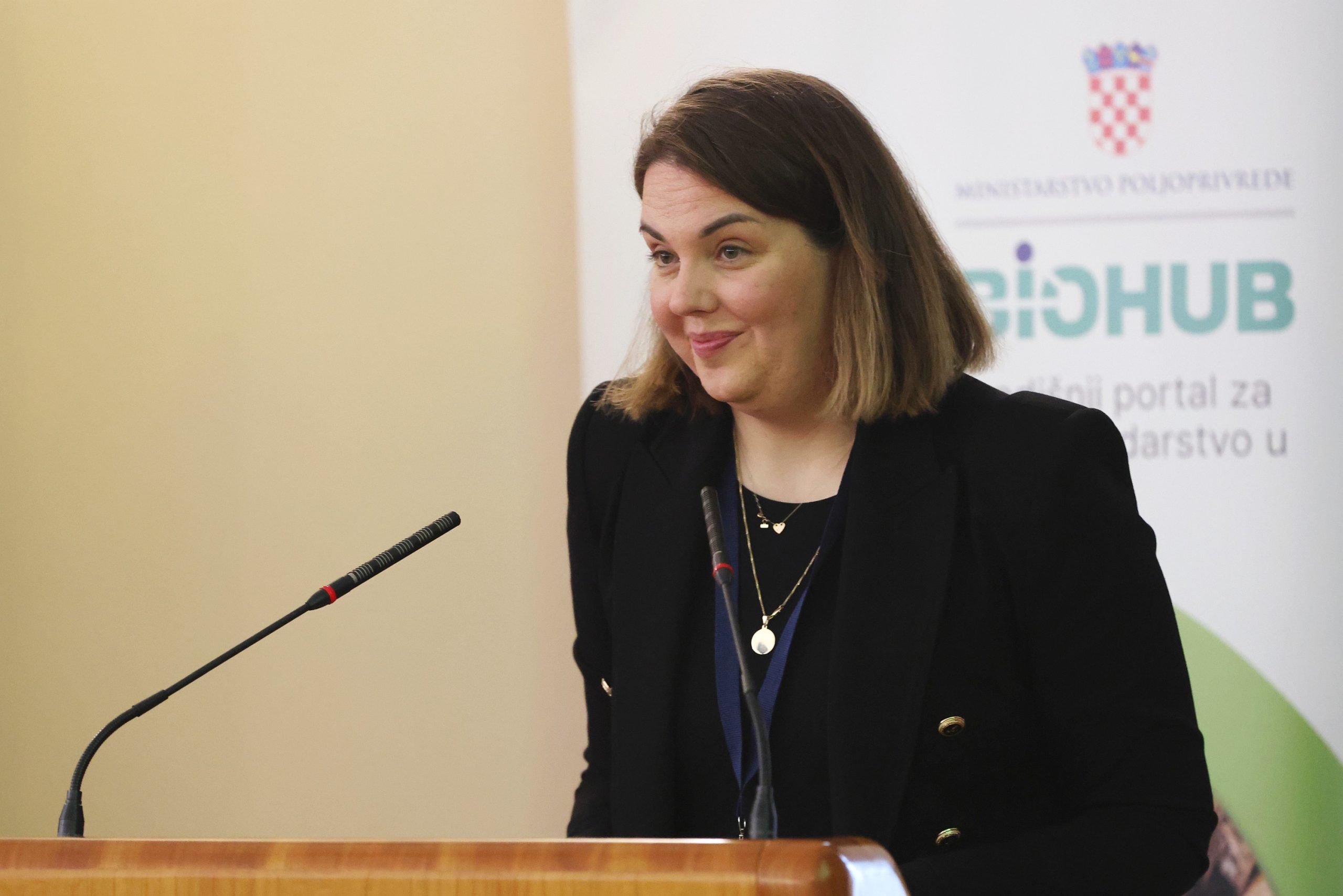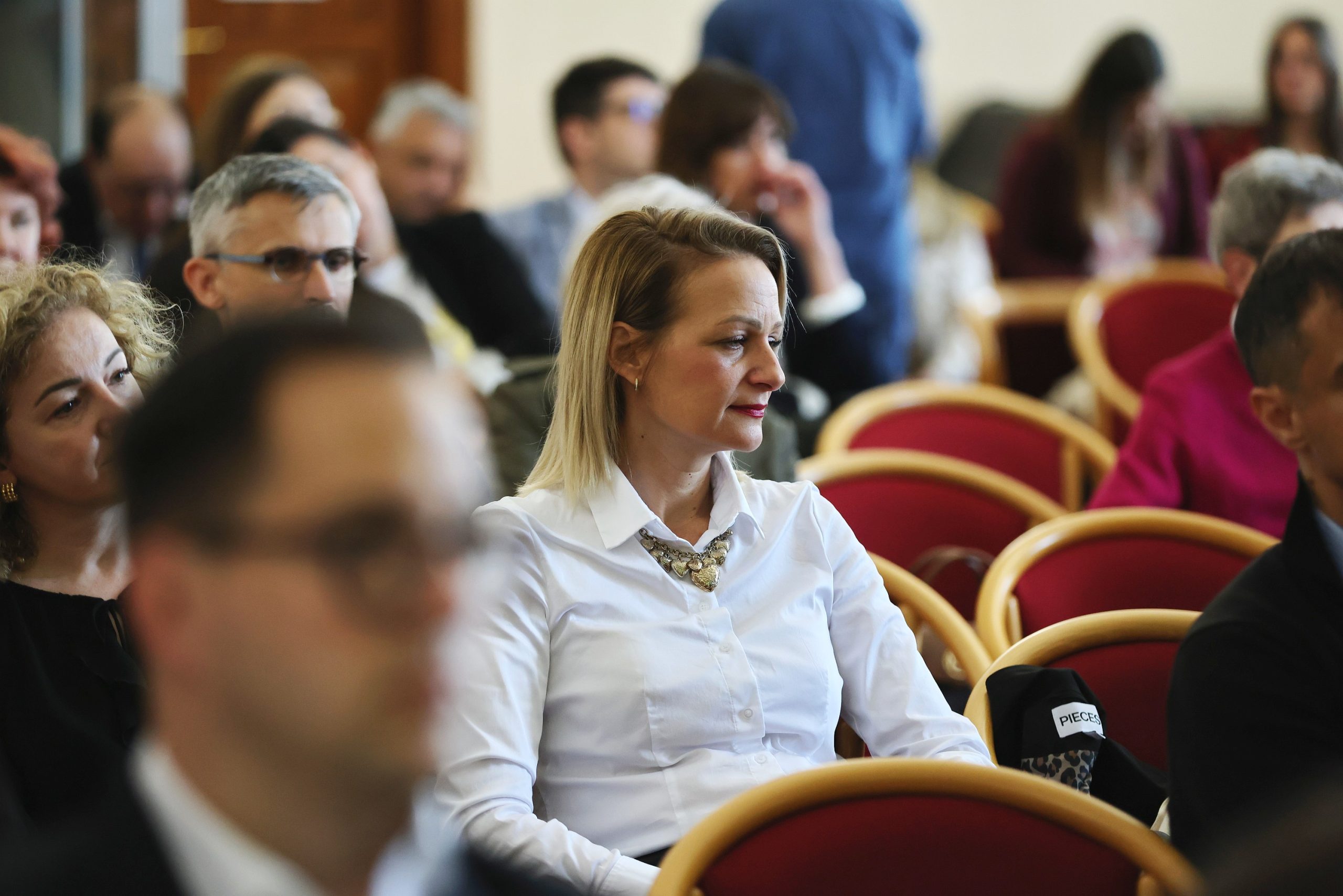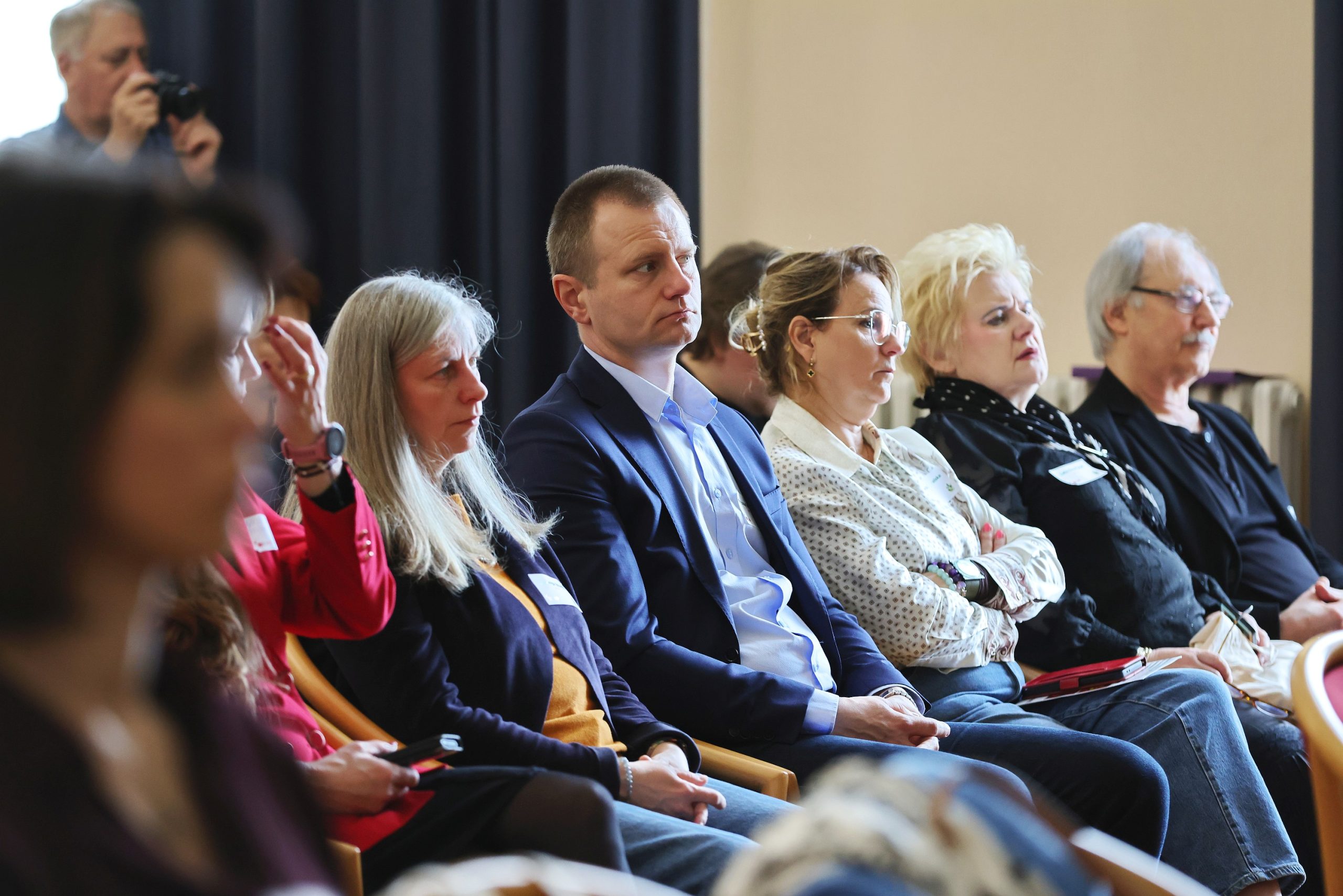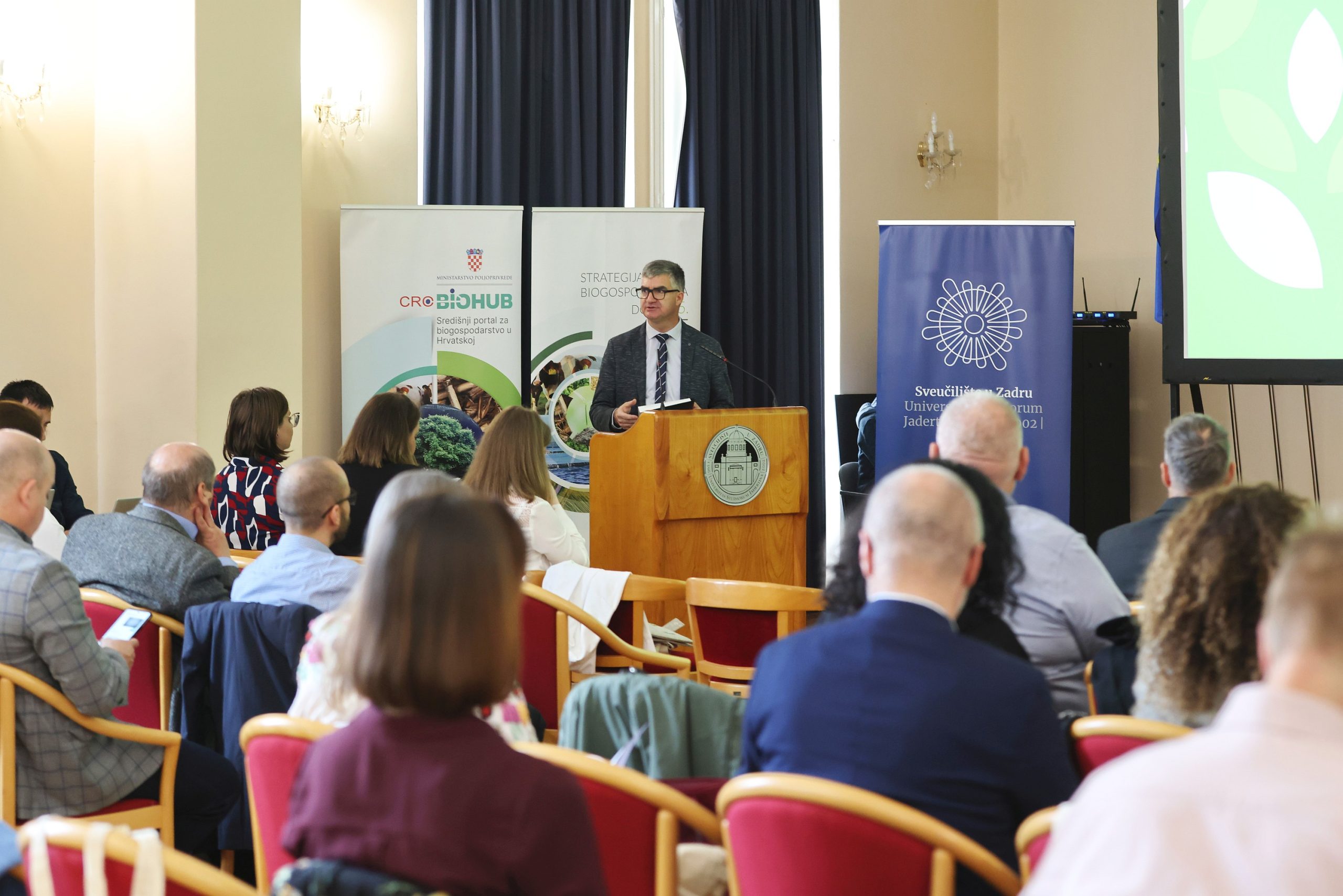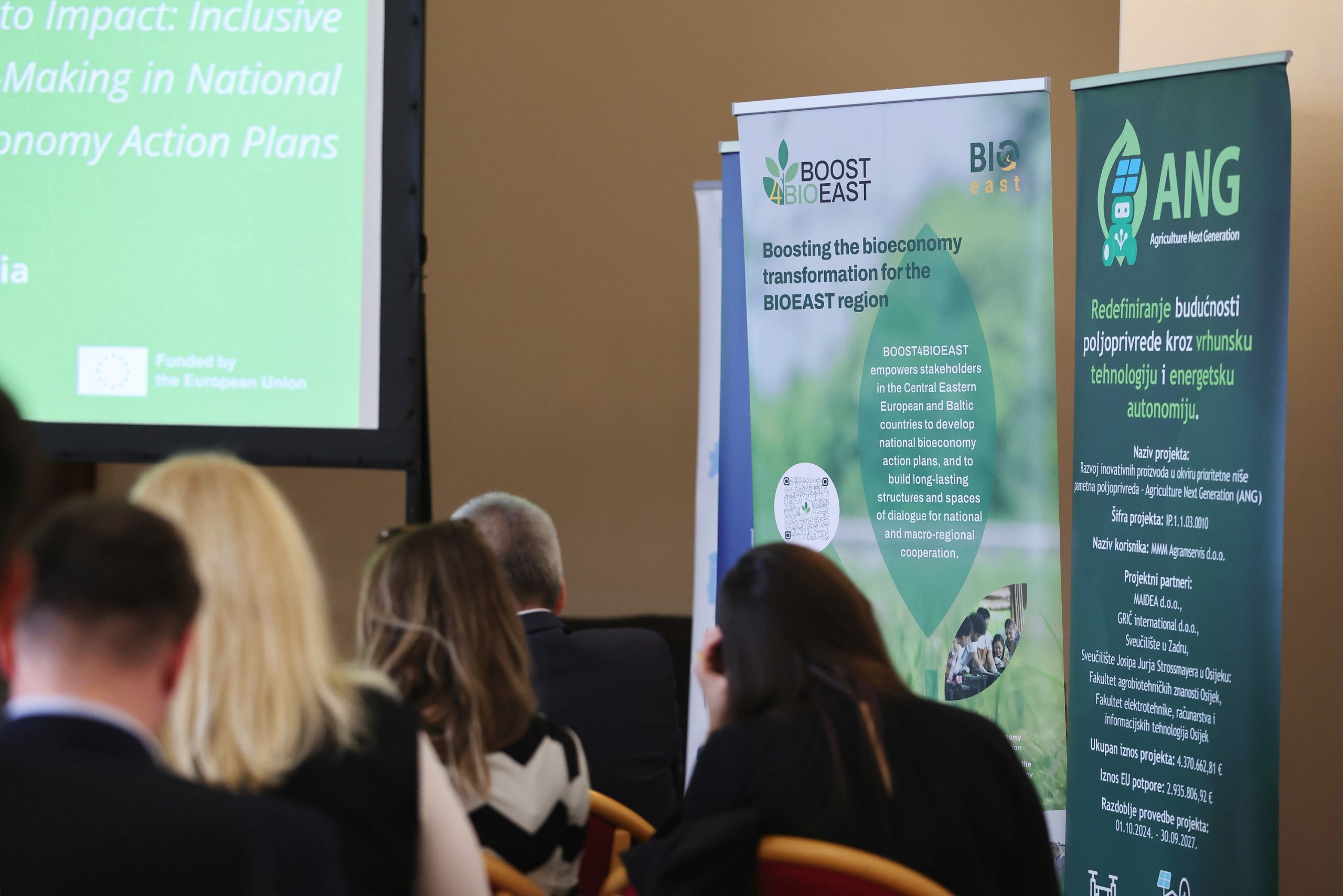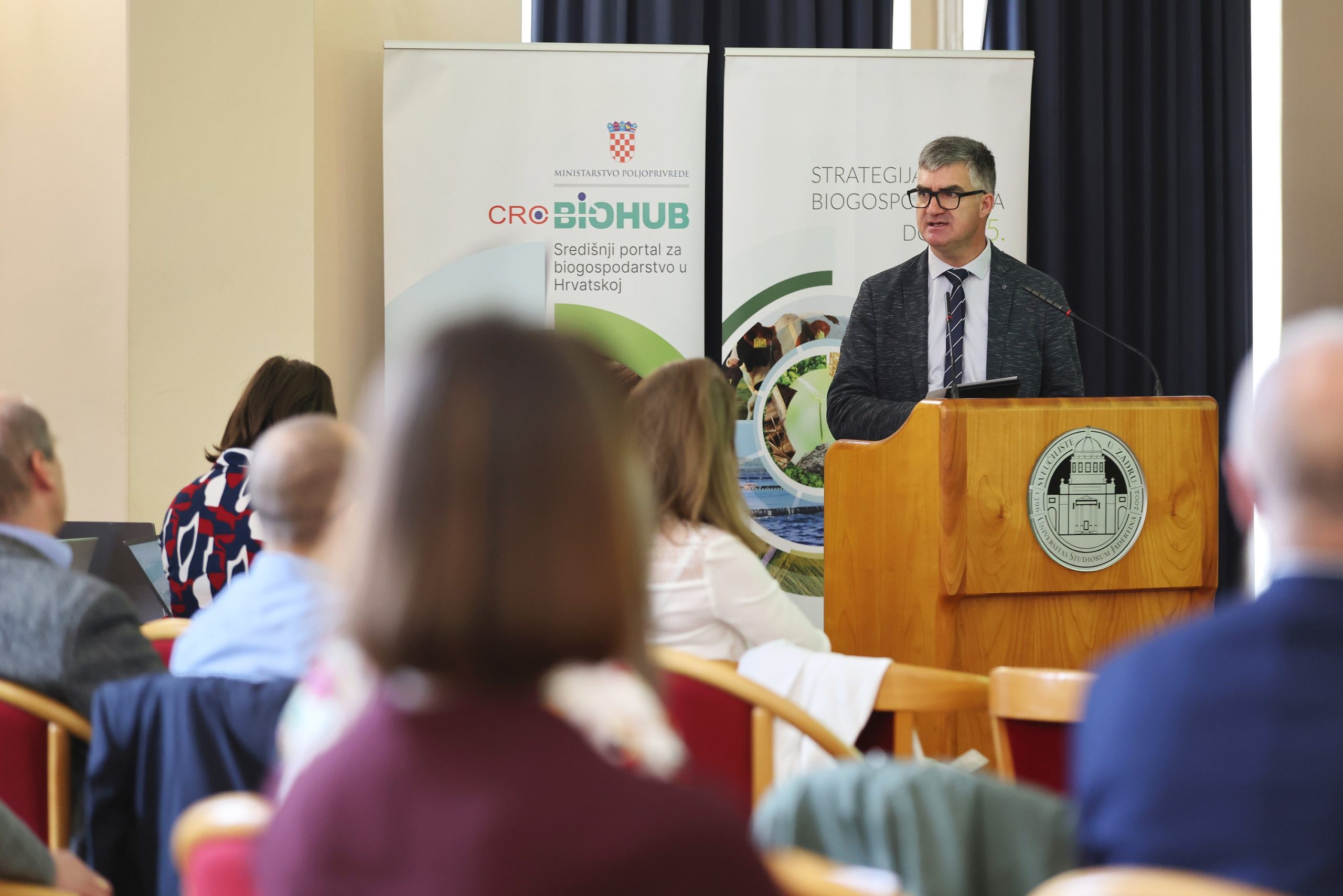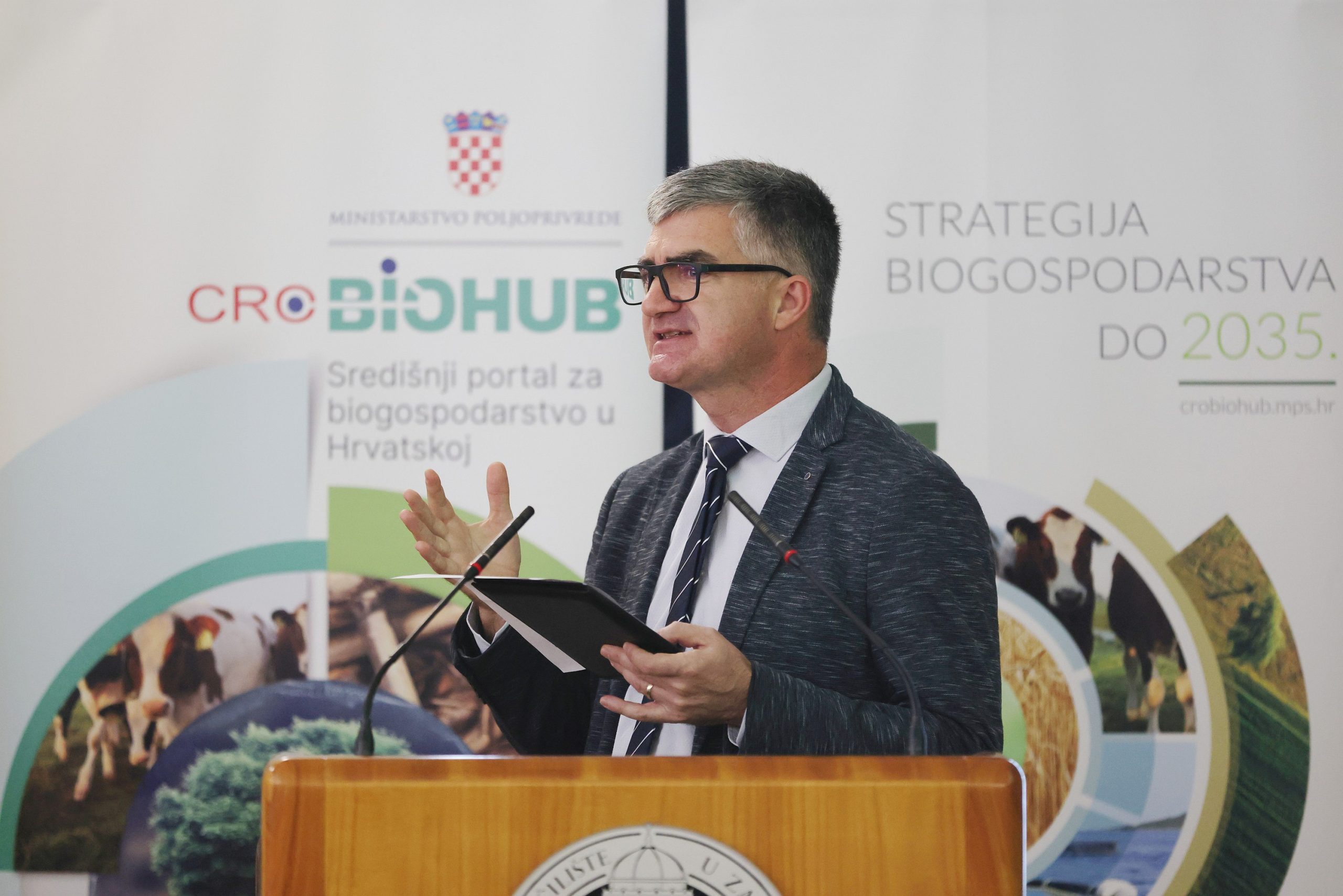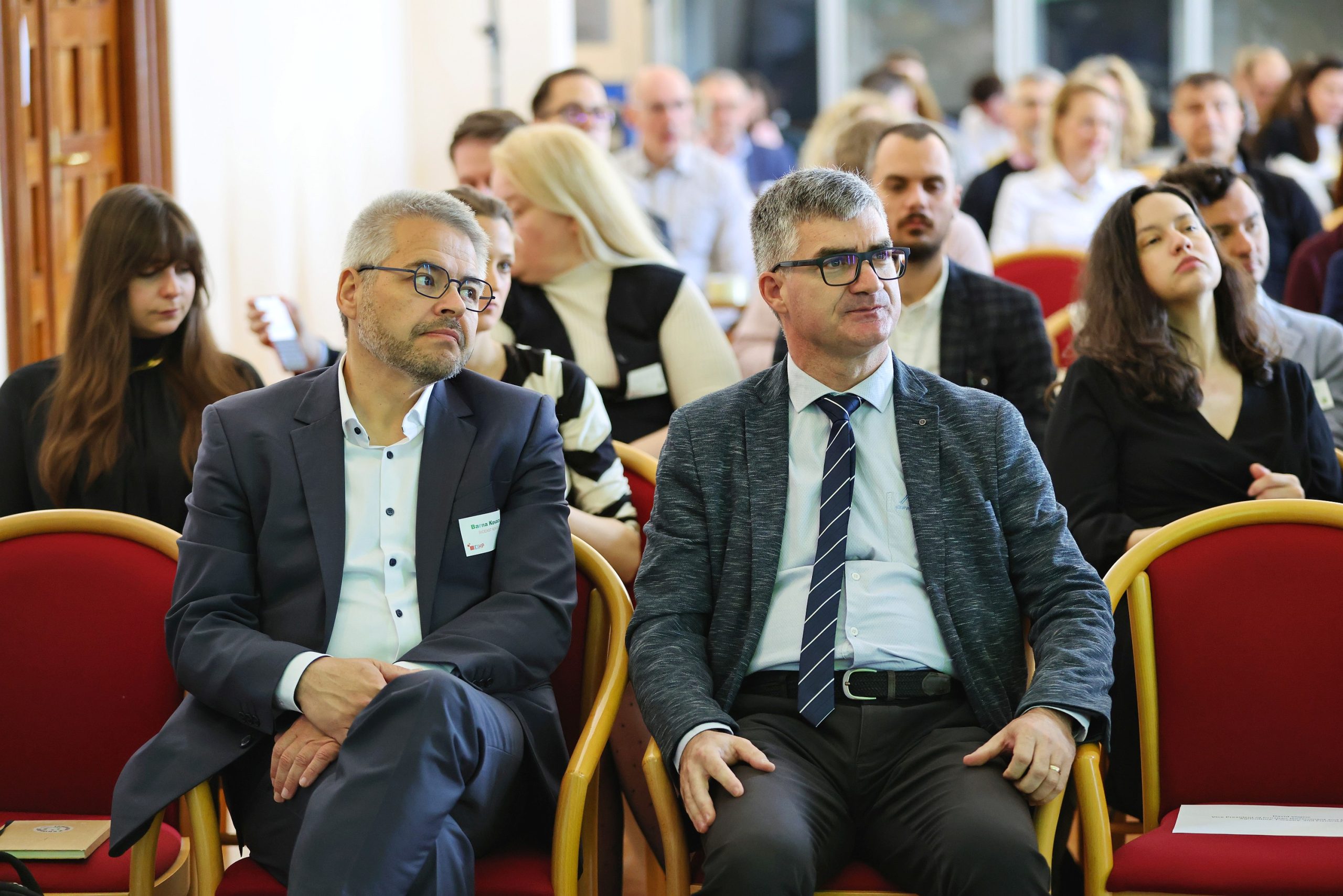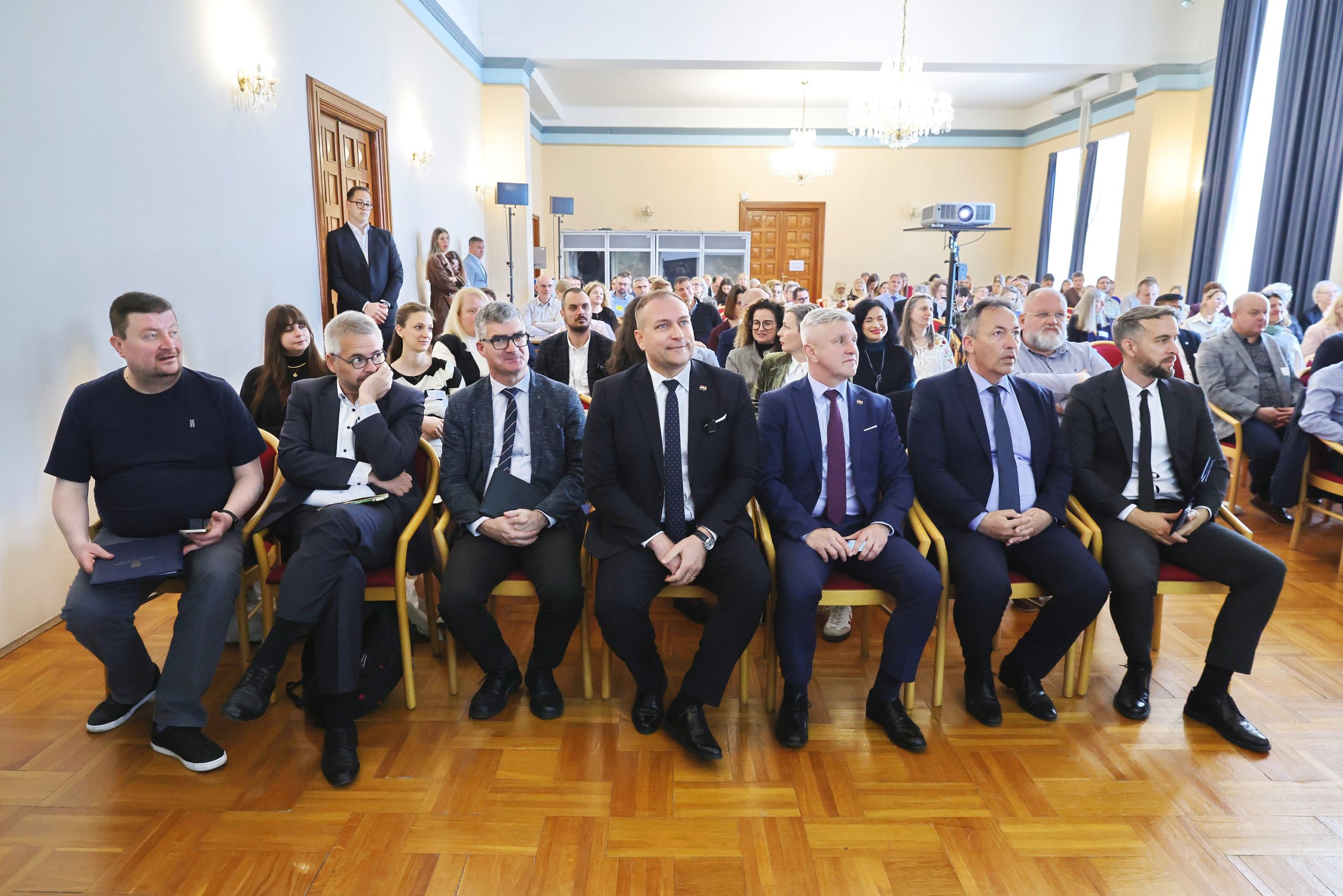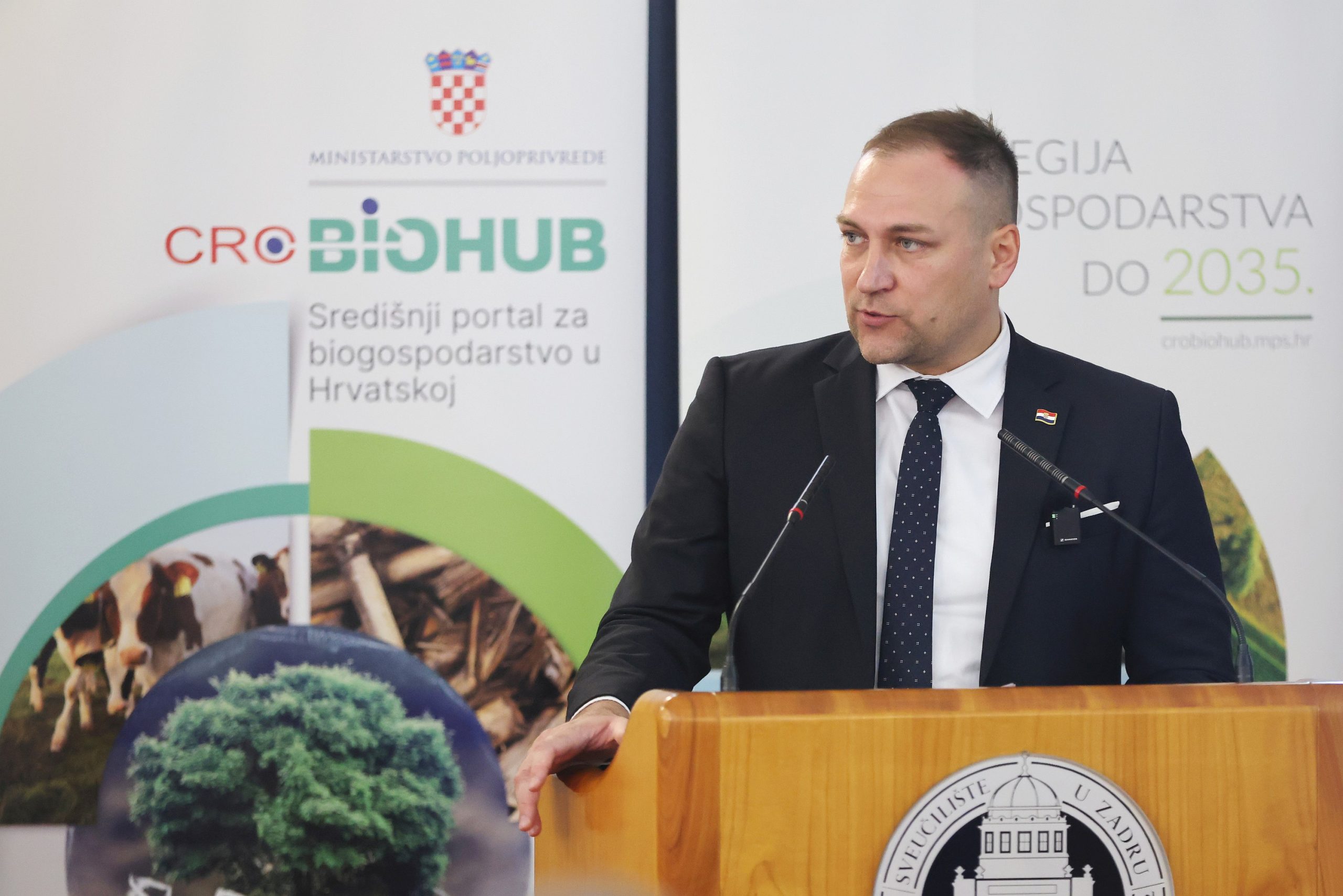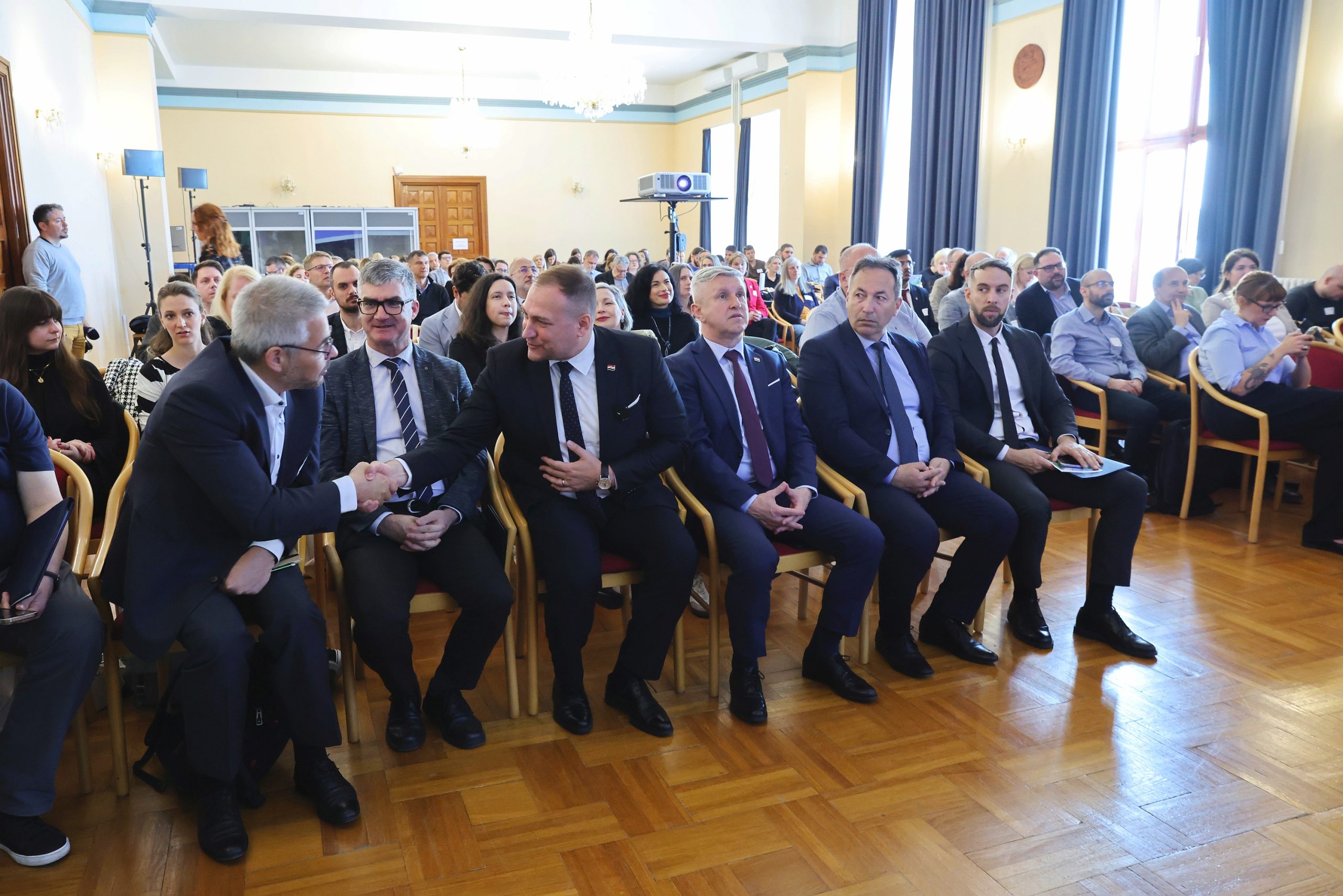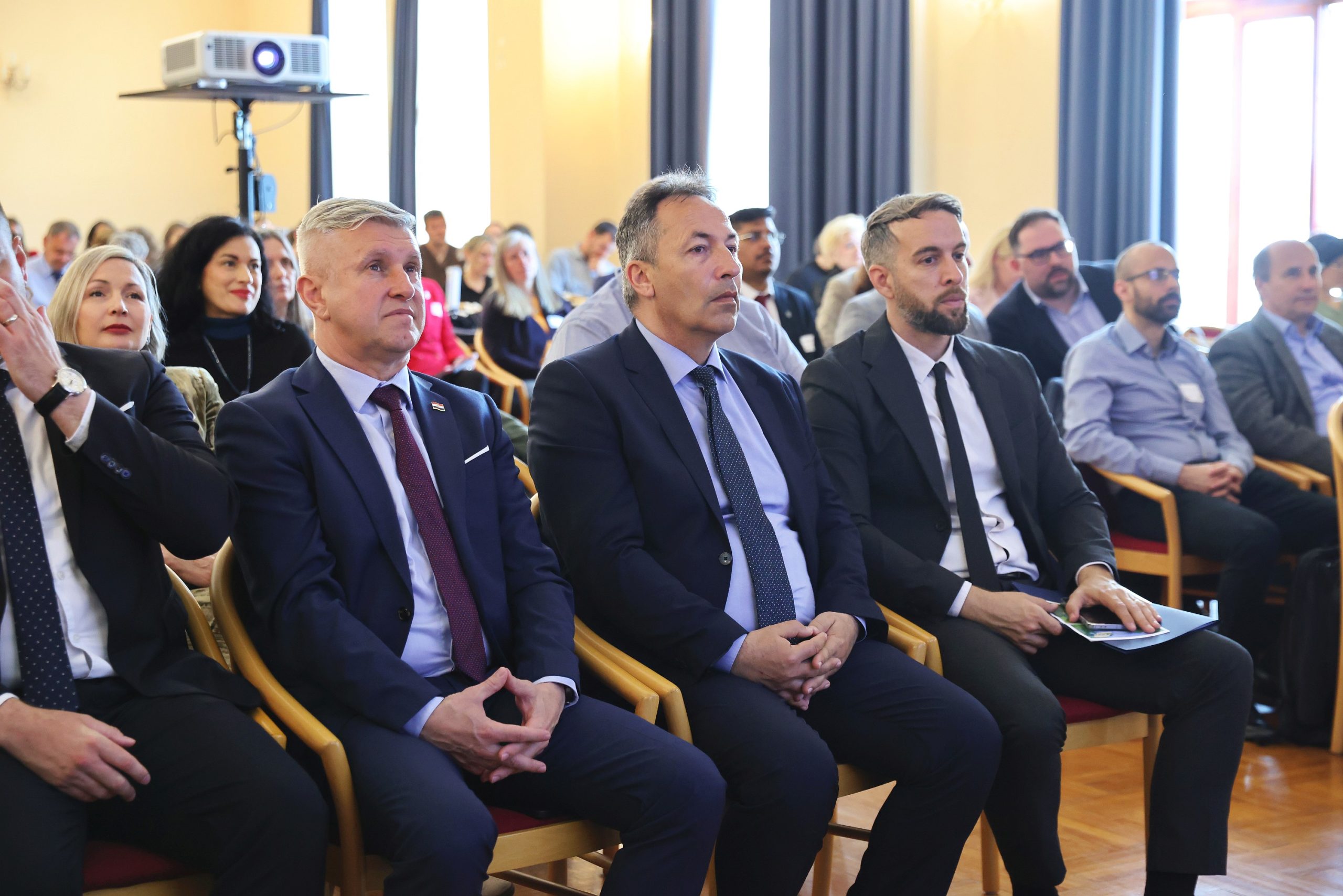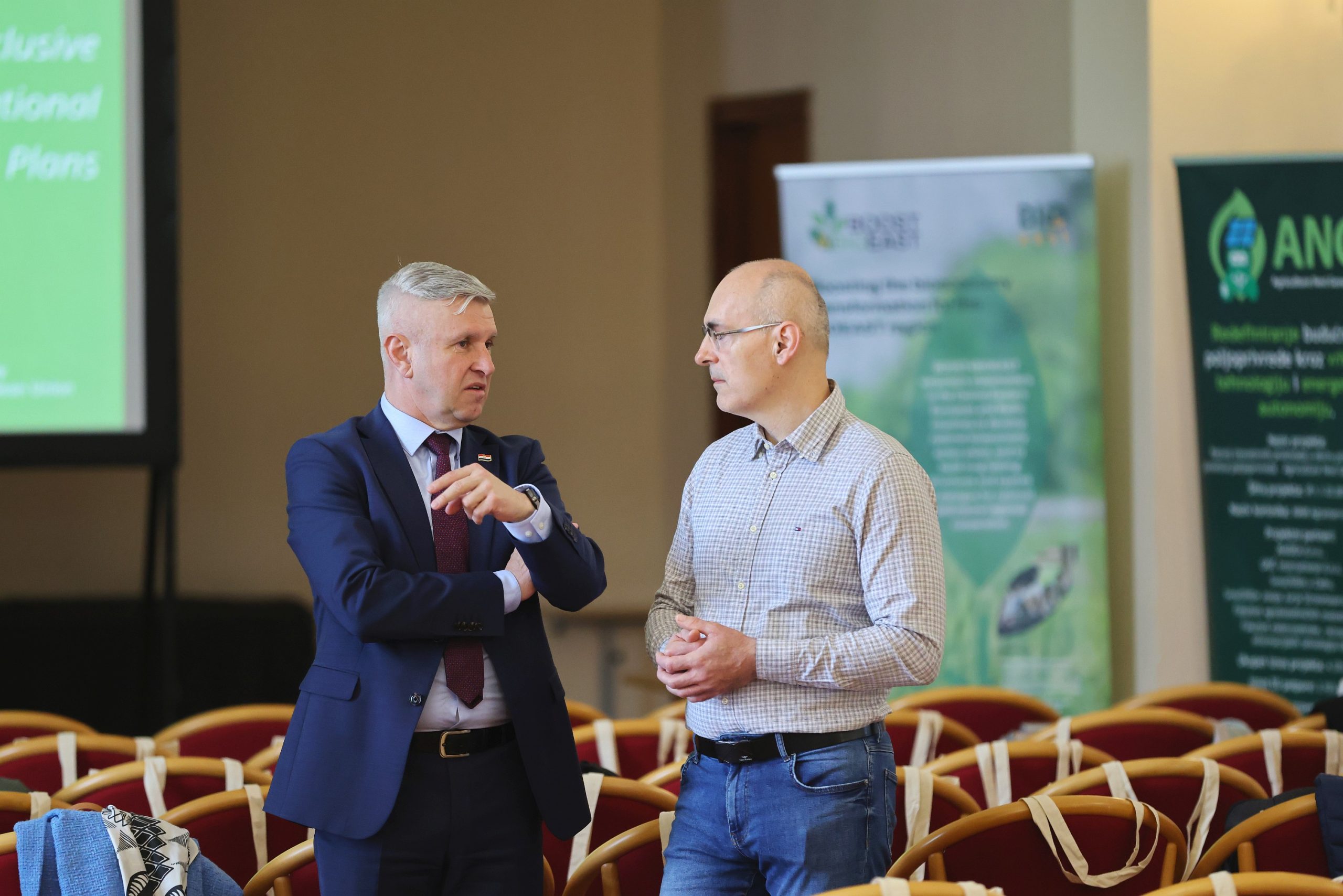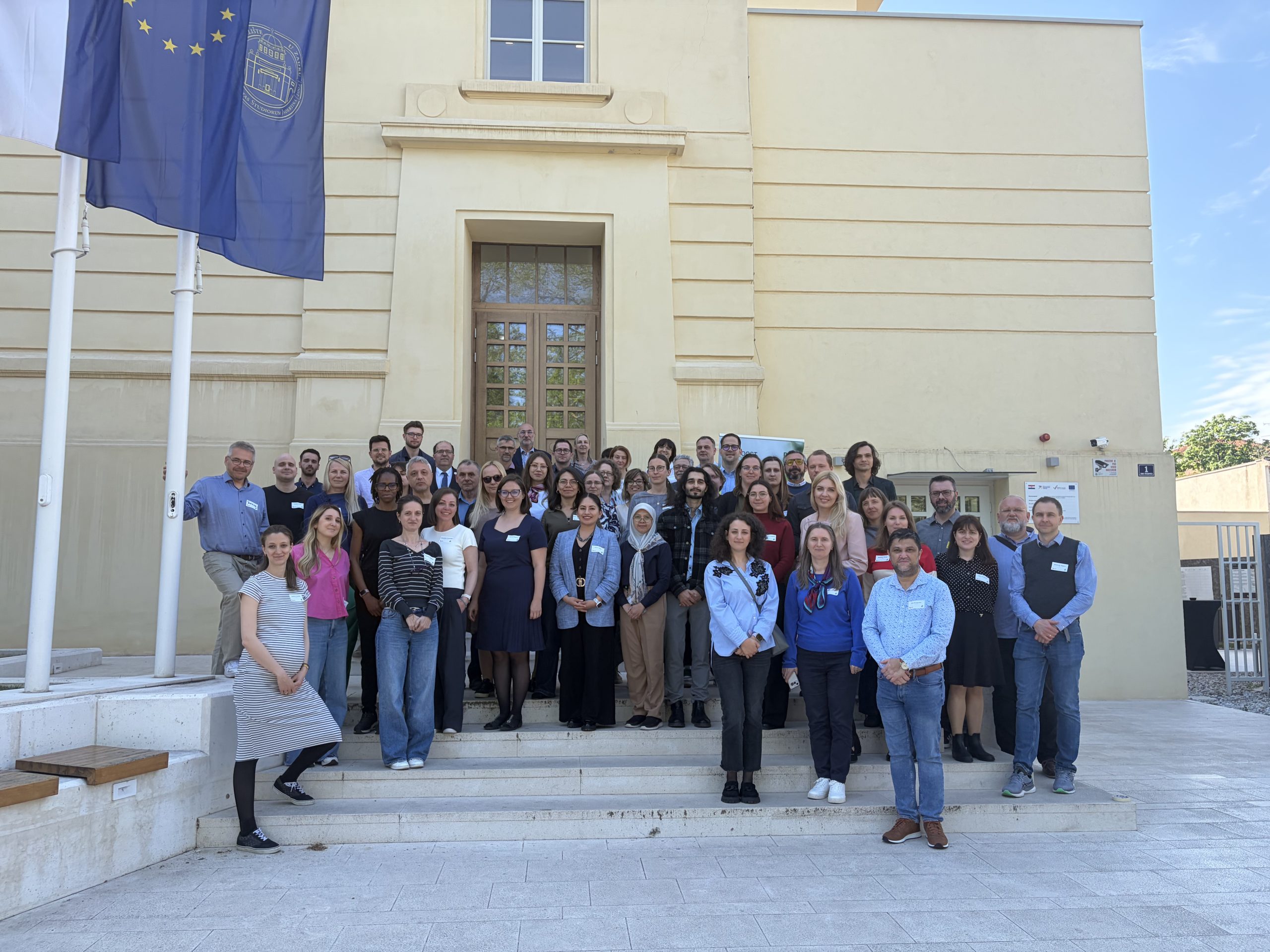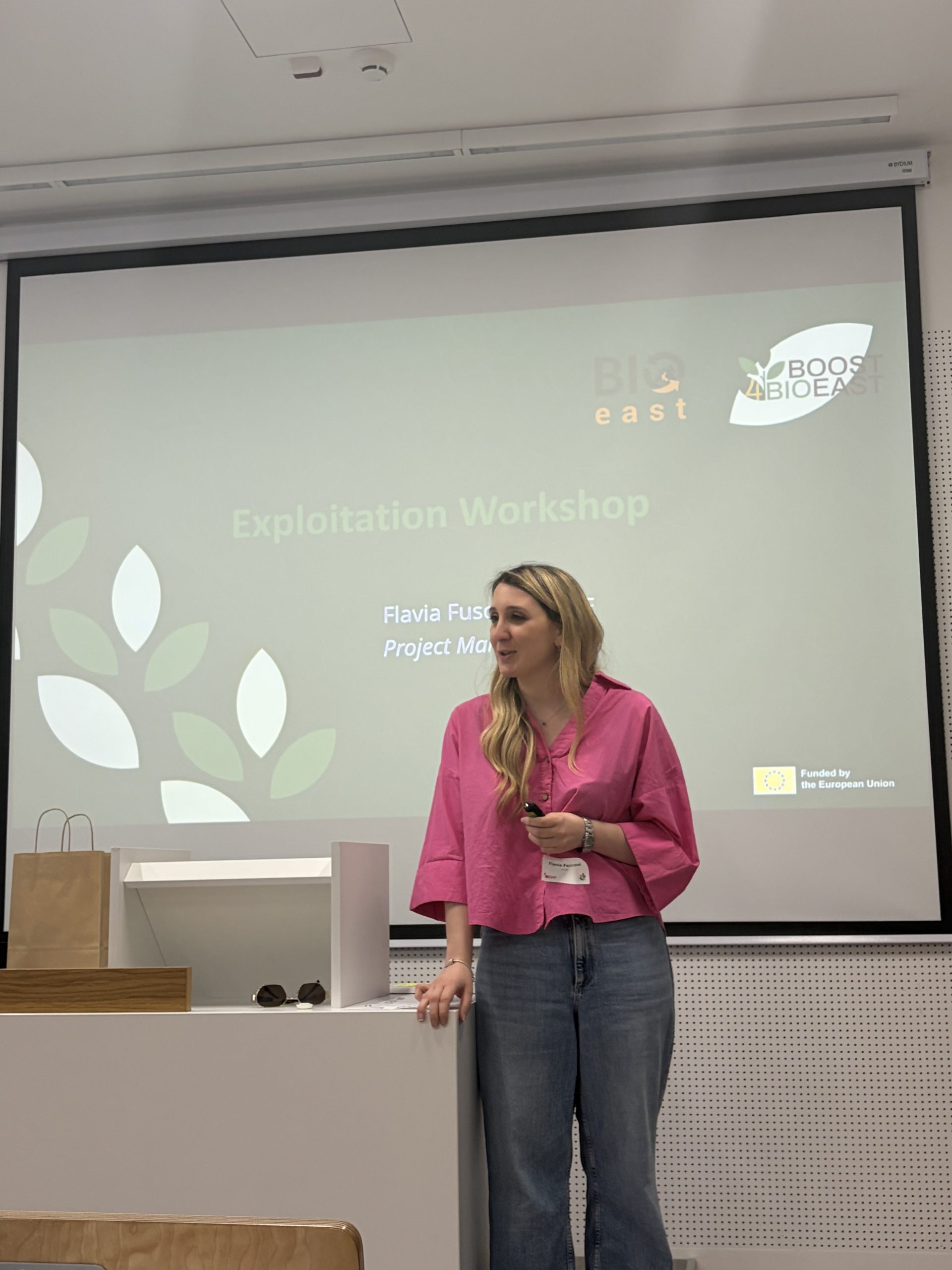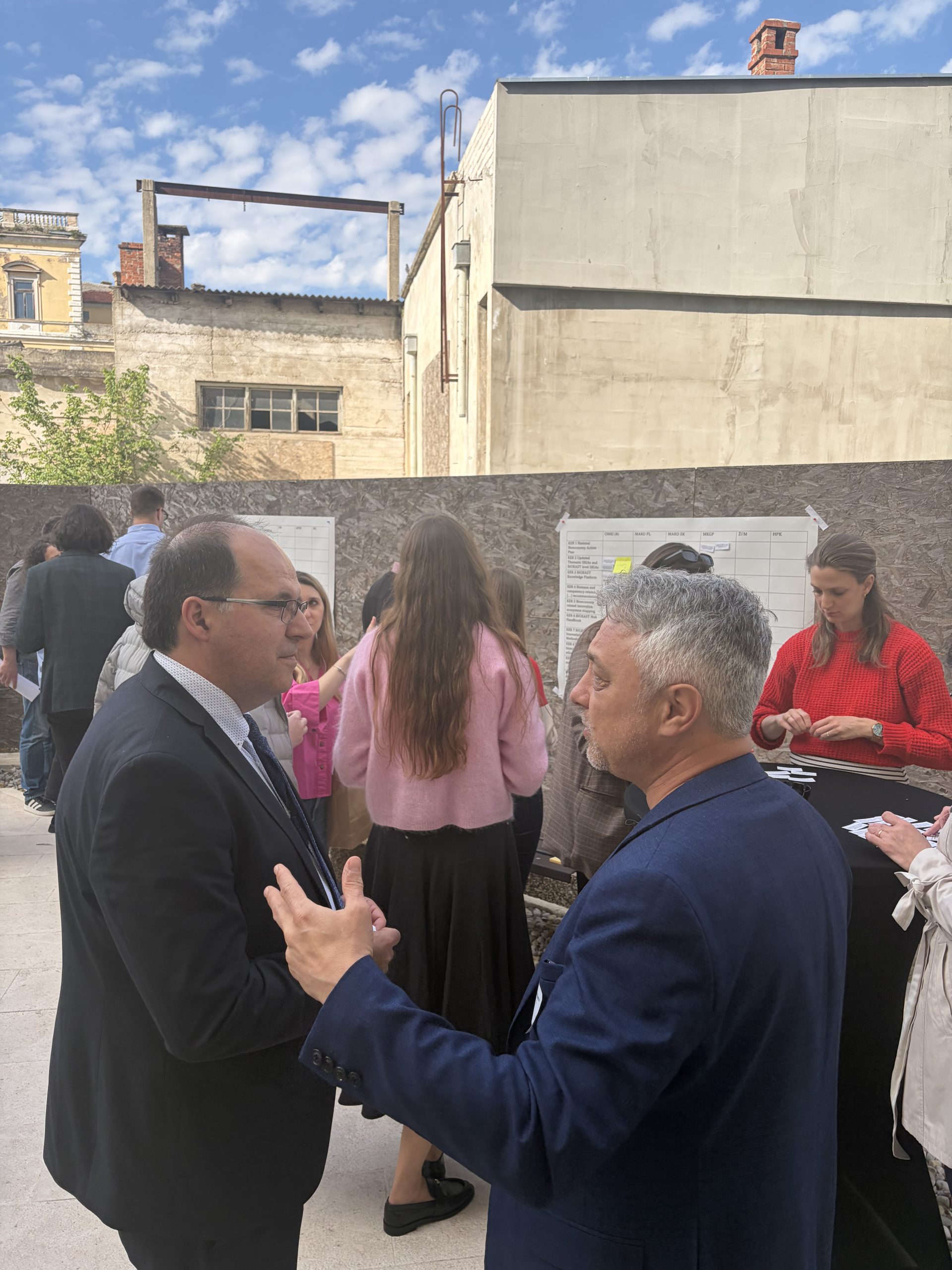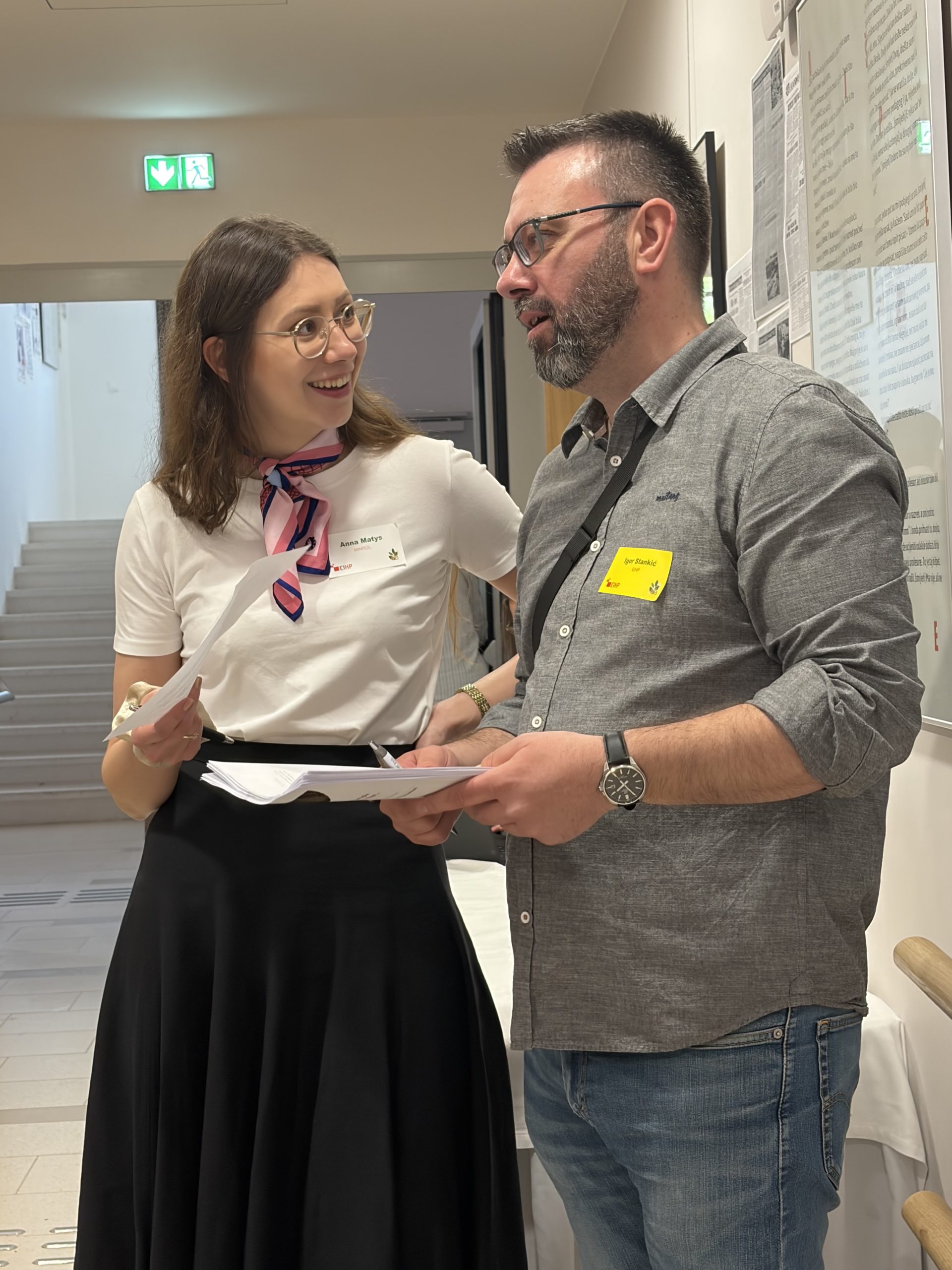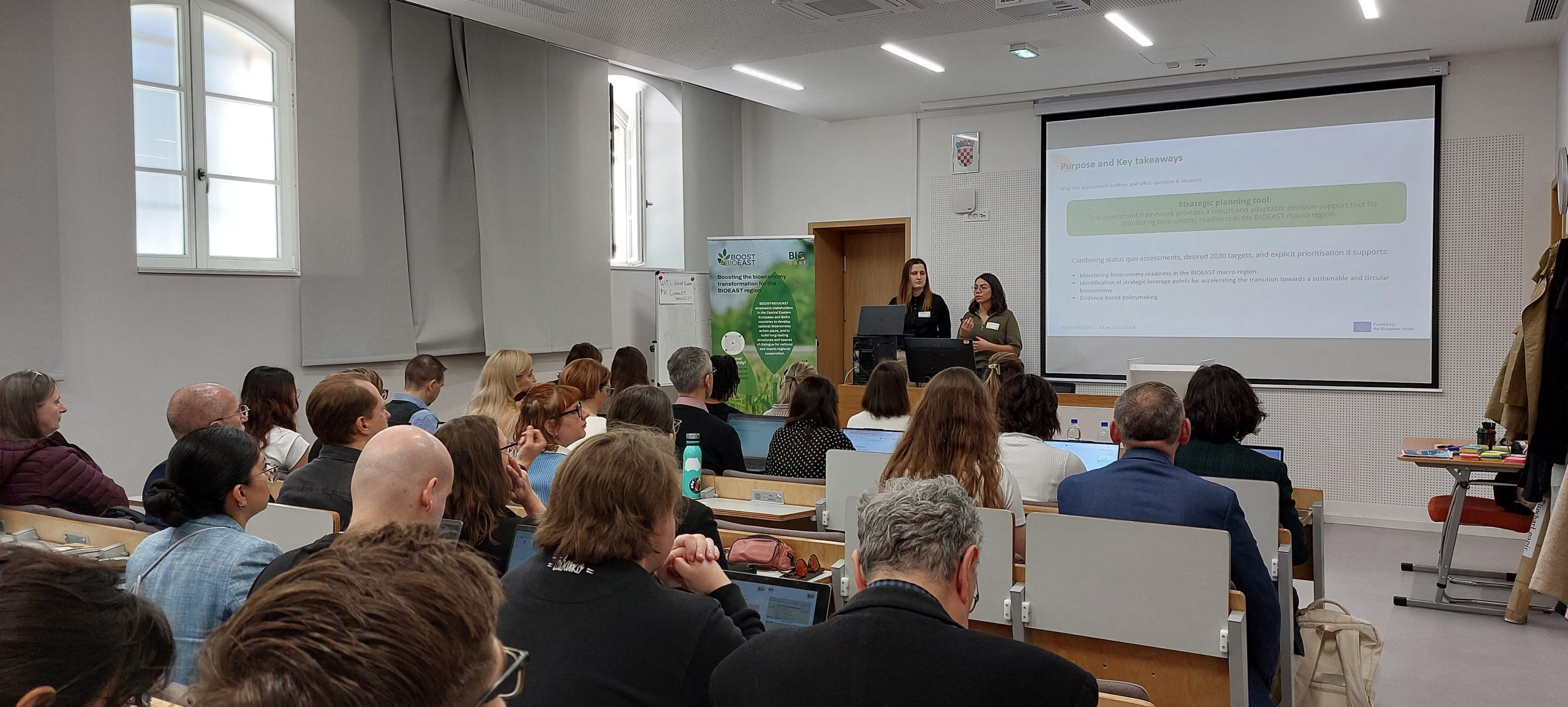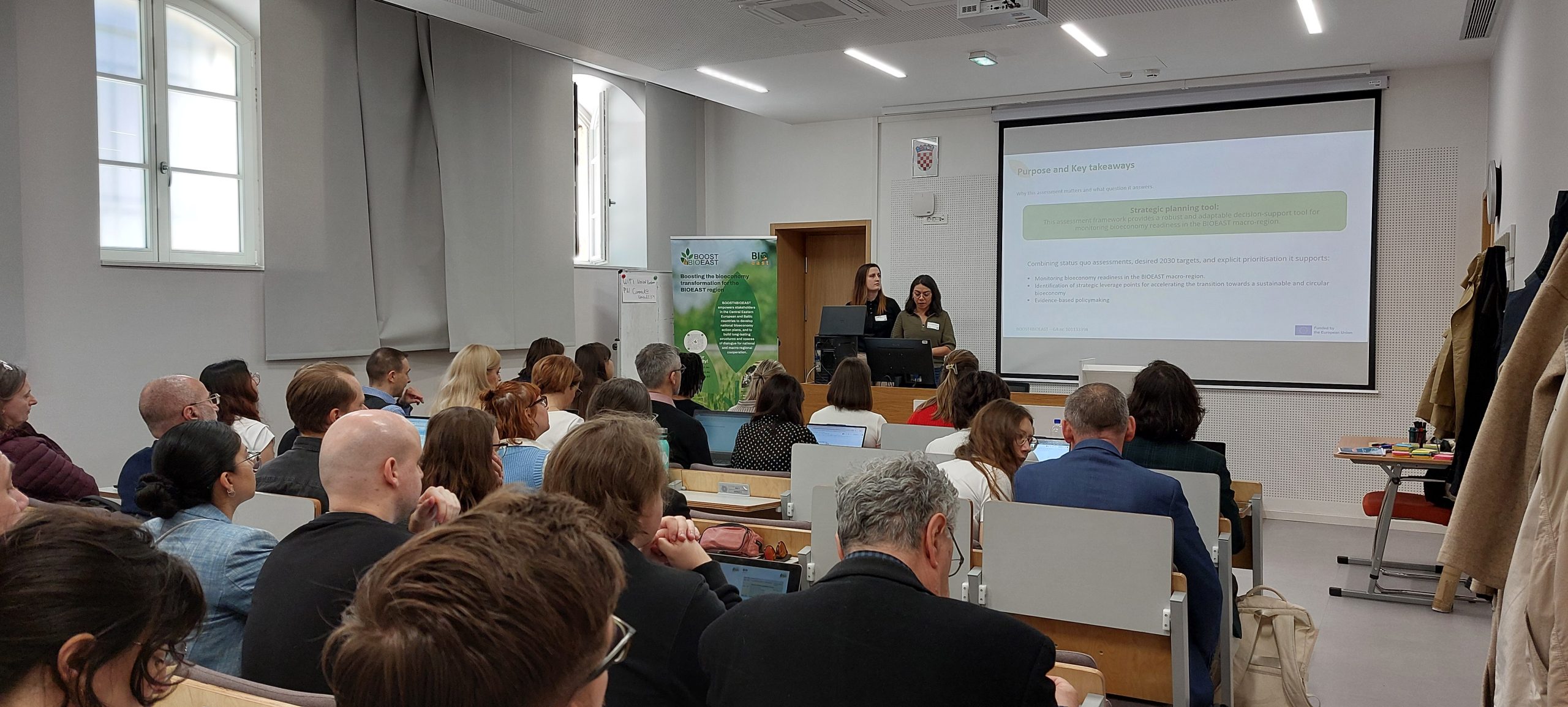
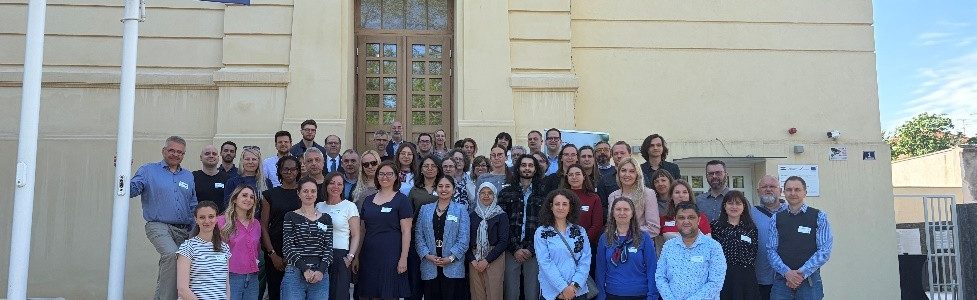
In the final year of the BOOST4BIOEAST (B4B) project, the BIOEAST community gathered for the Annual BIOEAST Bioeconomy Conference jointly held with the project’s Annual Meeting between April 20th to the 23rd at the very special location; in the jewel of Dalmatian coast, Zadar, Croatia, hosted by the University of Zadar.
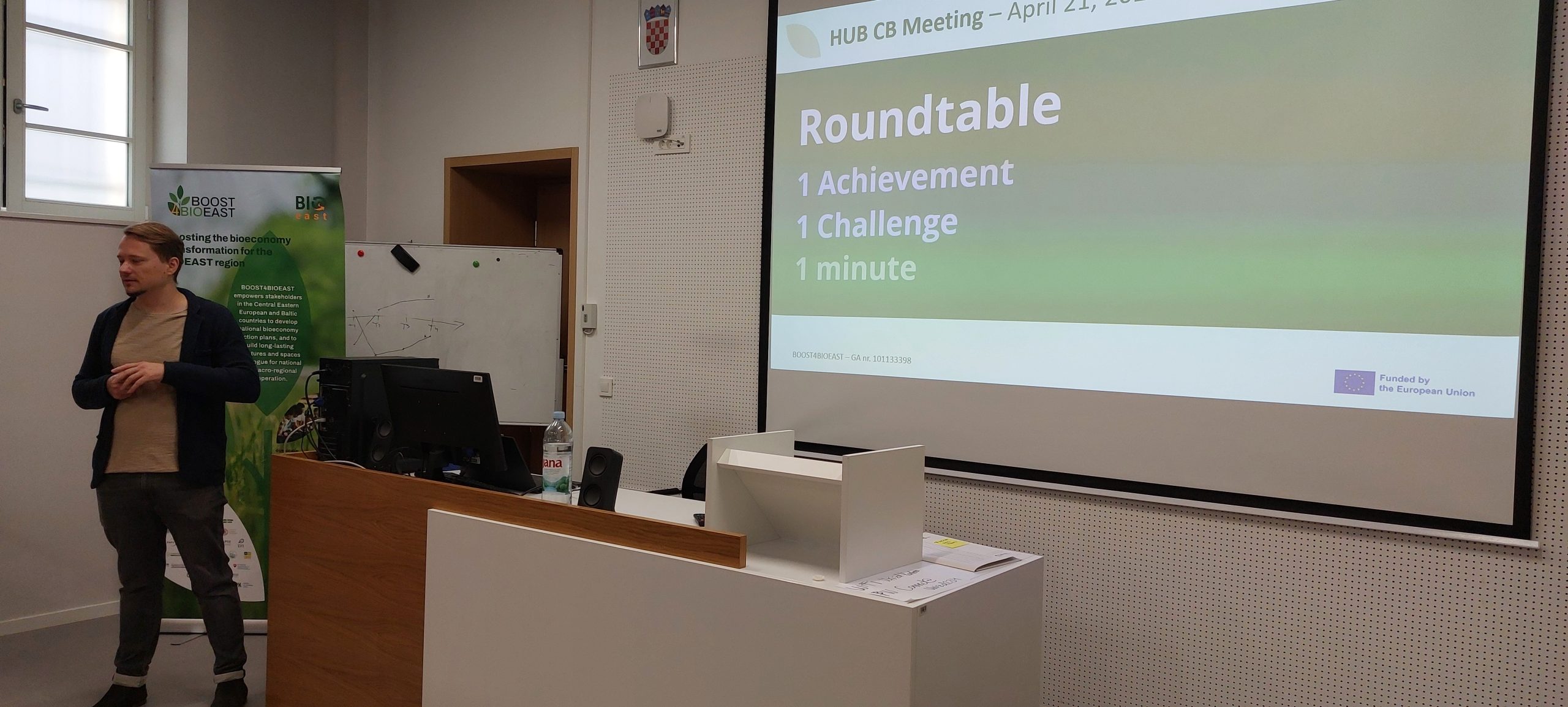
At the Annual Project Meeting (20–21 April), all 30 partners of the B4B consortium took stock of last year’s progress and prepared for the final rush of remaining activities, generating lasting impact and carrying on in a new follow-up project, BIOEASTWIDE. During the second year, B4B has made strong progress in co-creating inclusively the bioeconomy action plans through national workshops organised by the 11 BIOEAST HUBs across the CEE countries, updating the BIOEAST Strategic Research and Innovation Agenda (SRIA) with the help of the seven, macro-regional Thematic Working Groups (TWGs), successfully assessing the macro-region’s bioeconomy competences, biomass availability, educational needs and innovation systems and organising the first BIOEAST Open Innovation Challenge (OIC) which recognised 8 promising solutions boosting bioeconomy innovation across the macro-region. The major goals for 2026 remain to deliver the final bioeconomy action plans and the SRIA, to hold five pitching events with investors for the winners of the OIC and other startups and innovators and turn overall results into valuable policy recommendations for national and European decision-makers.
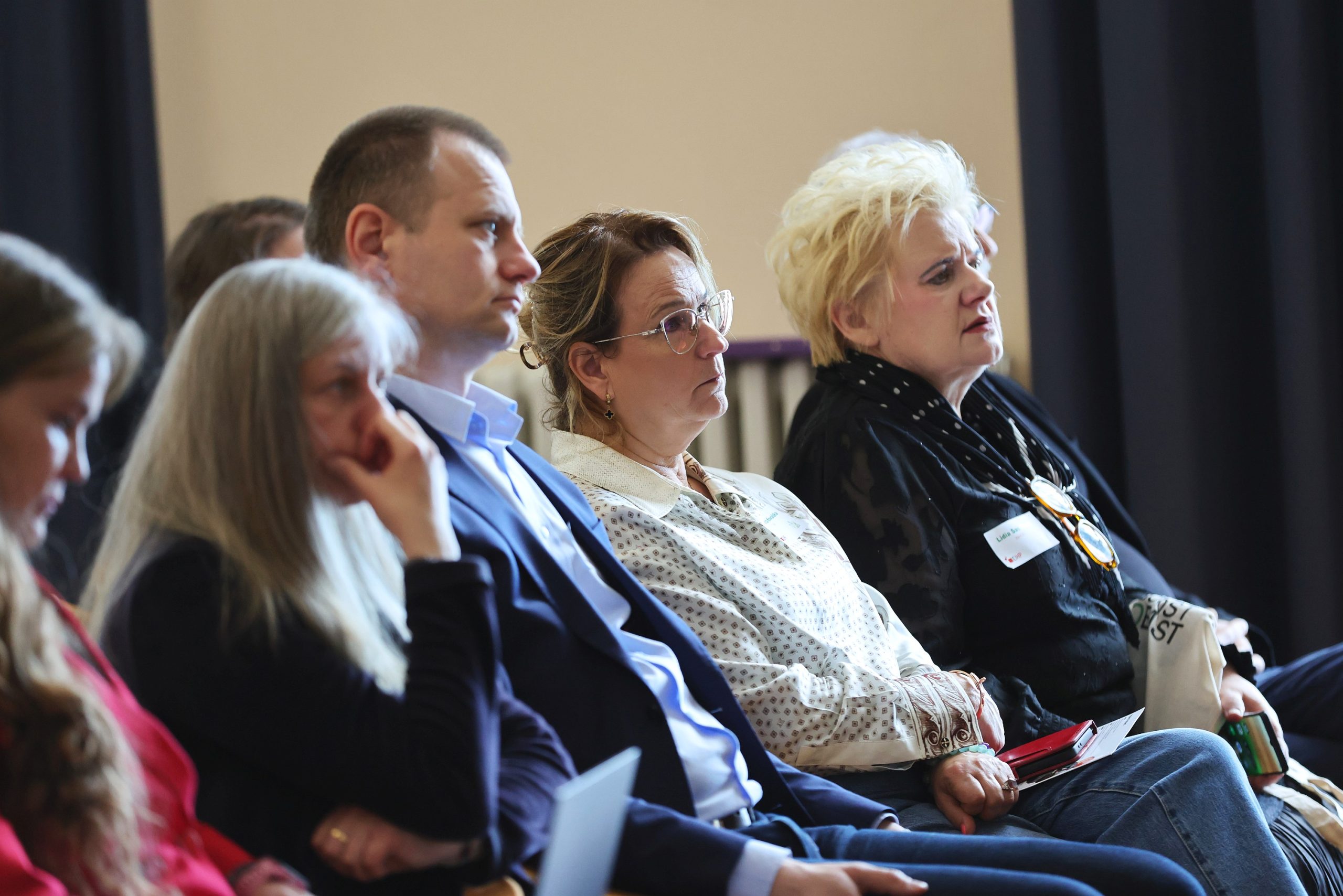
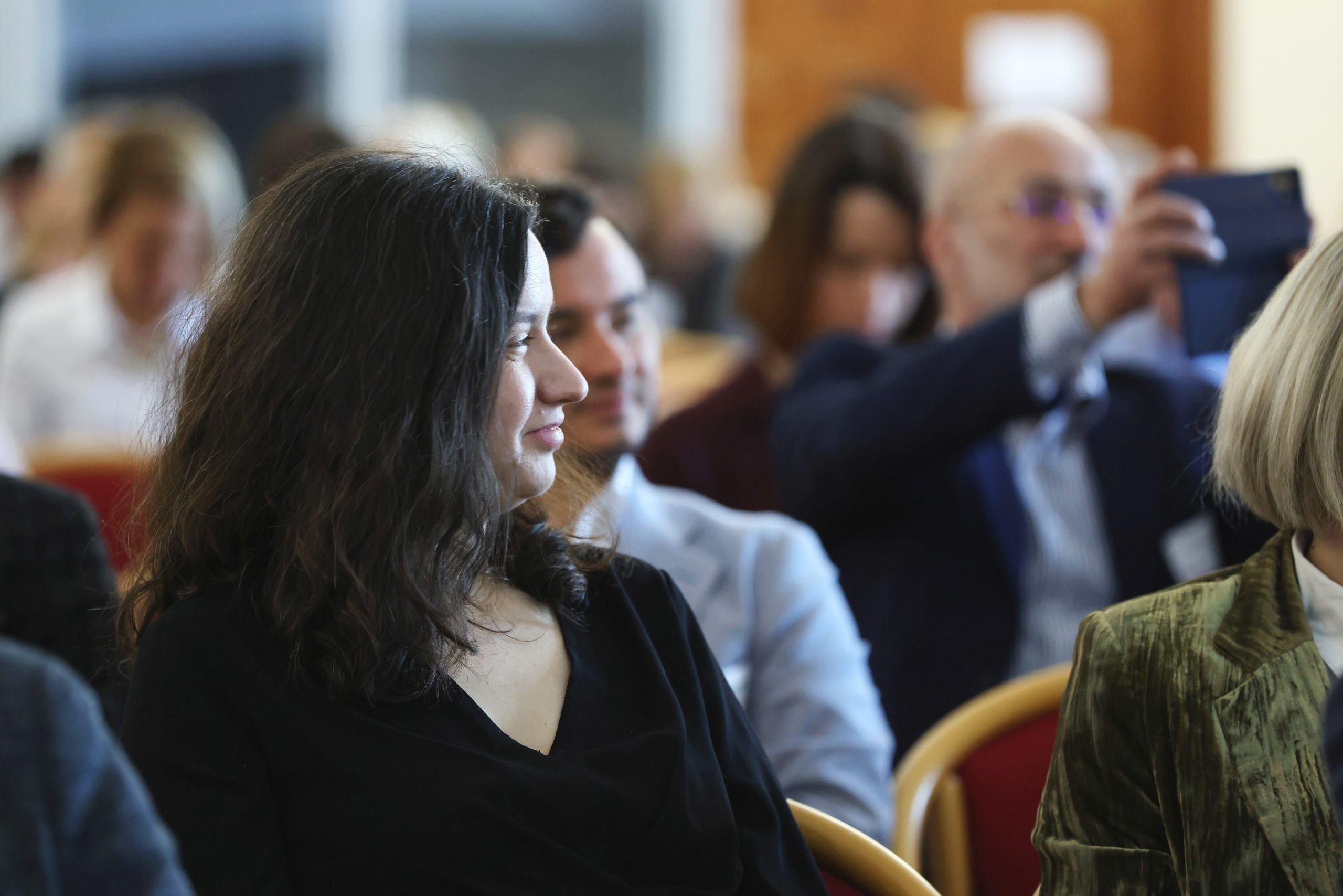
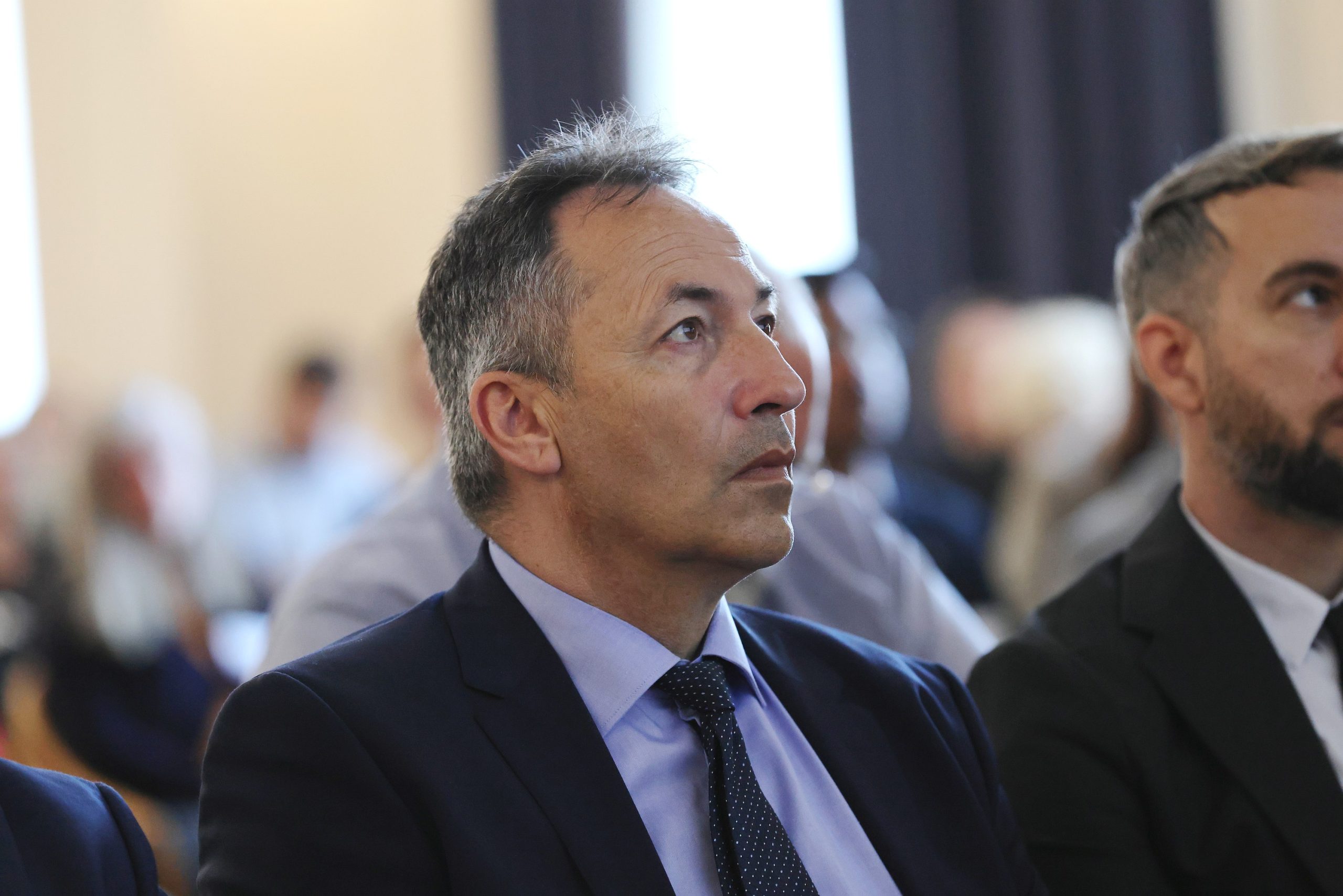
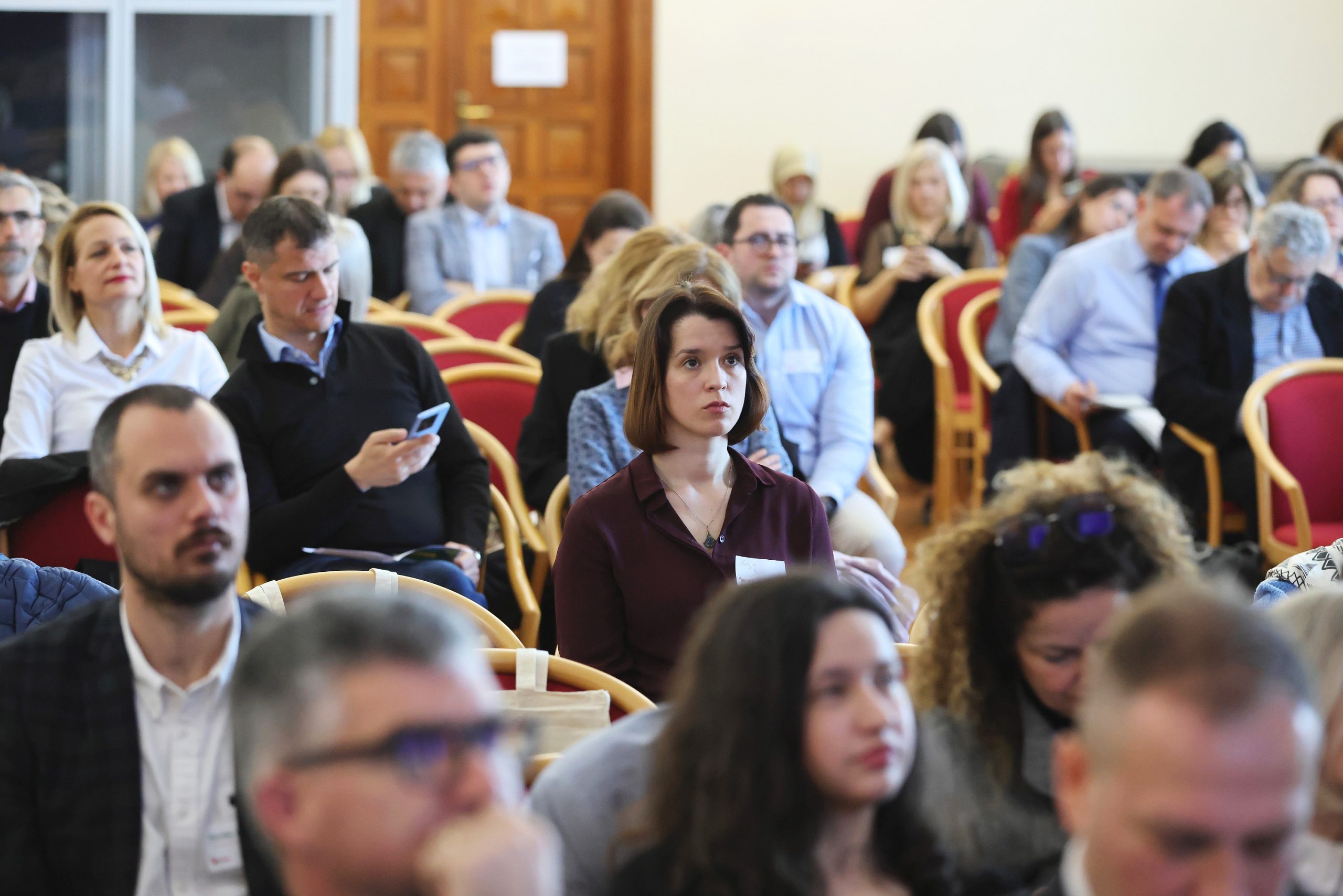
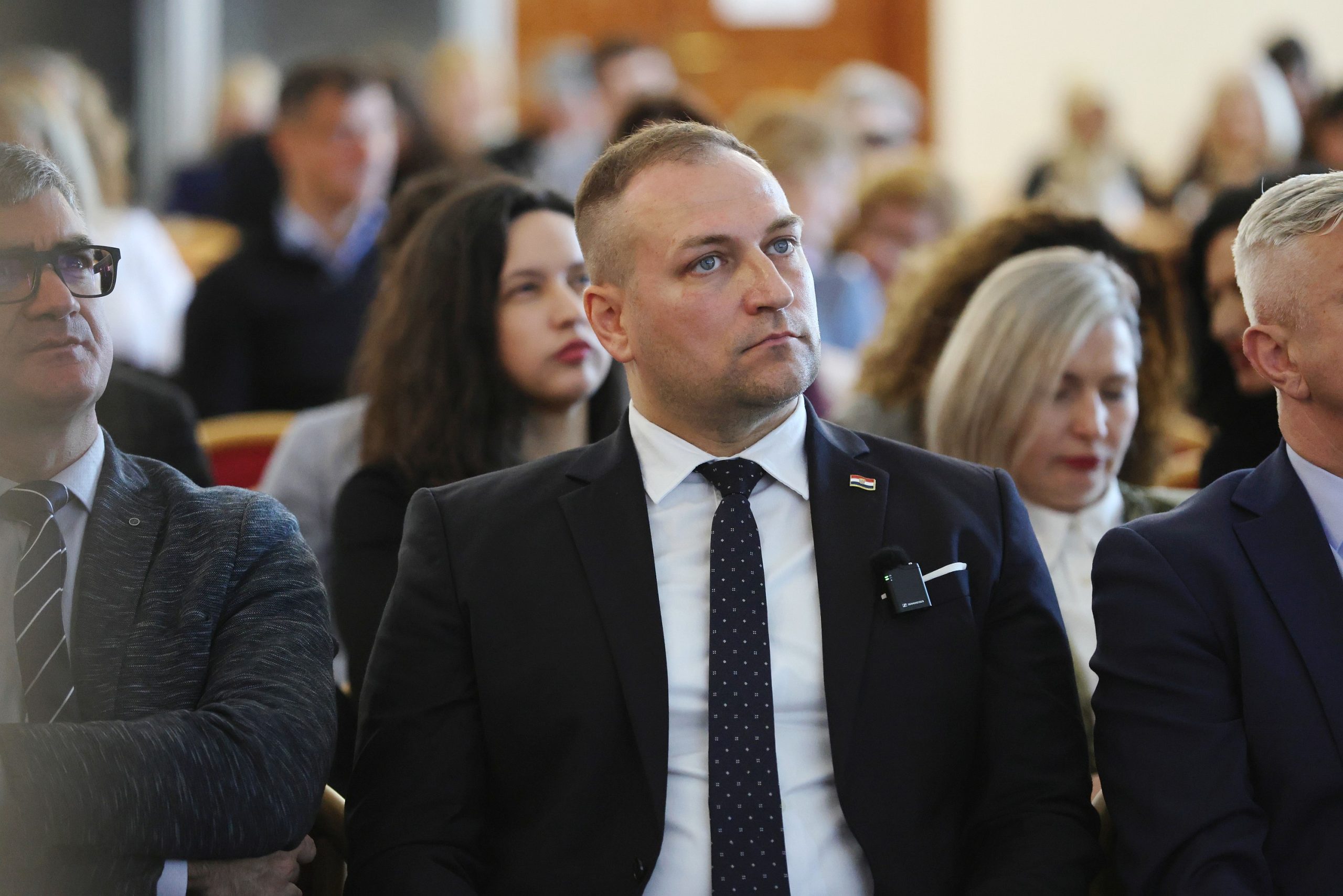
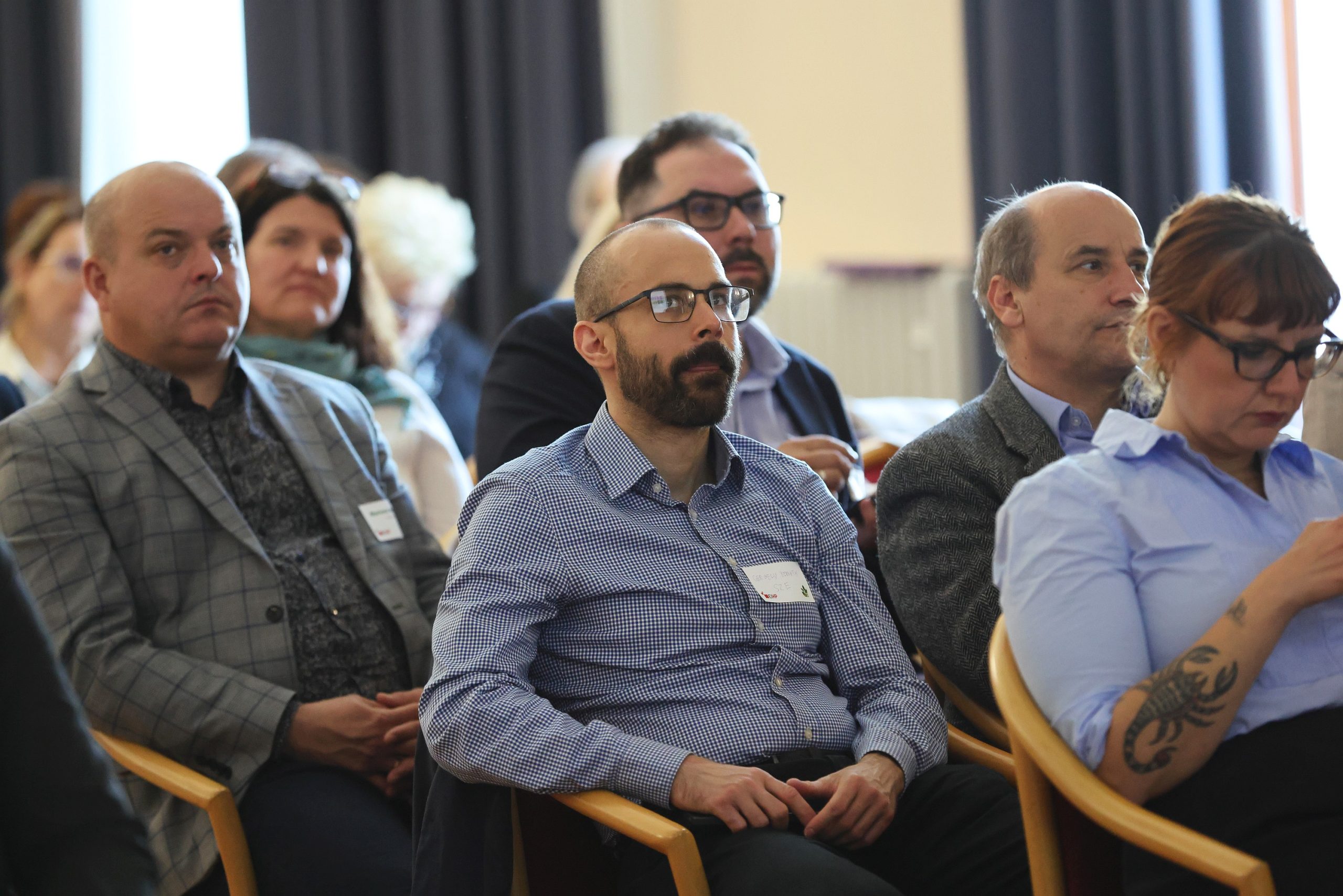
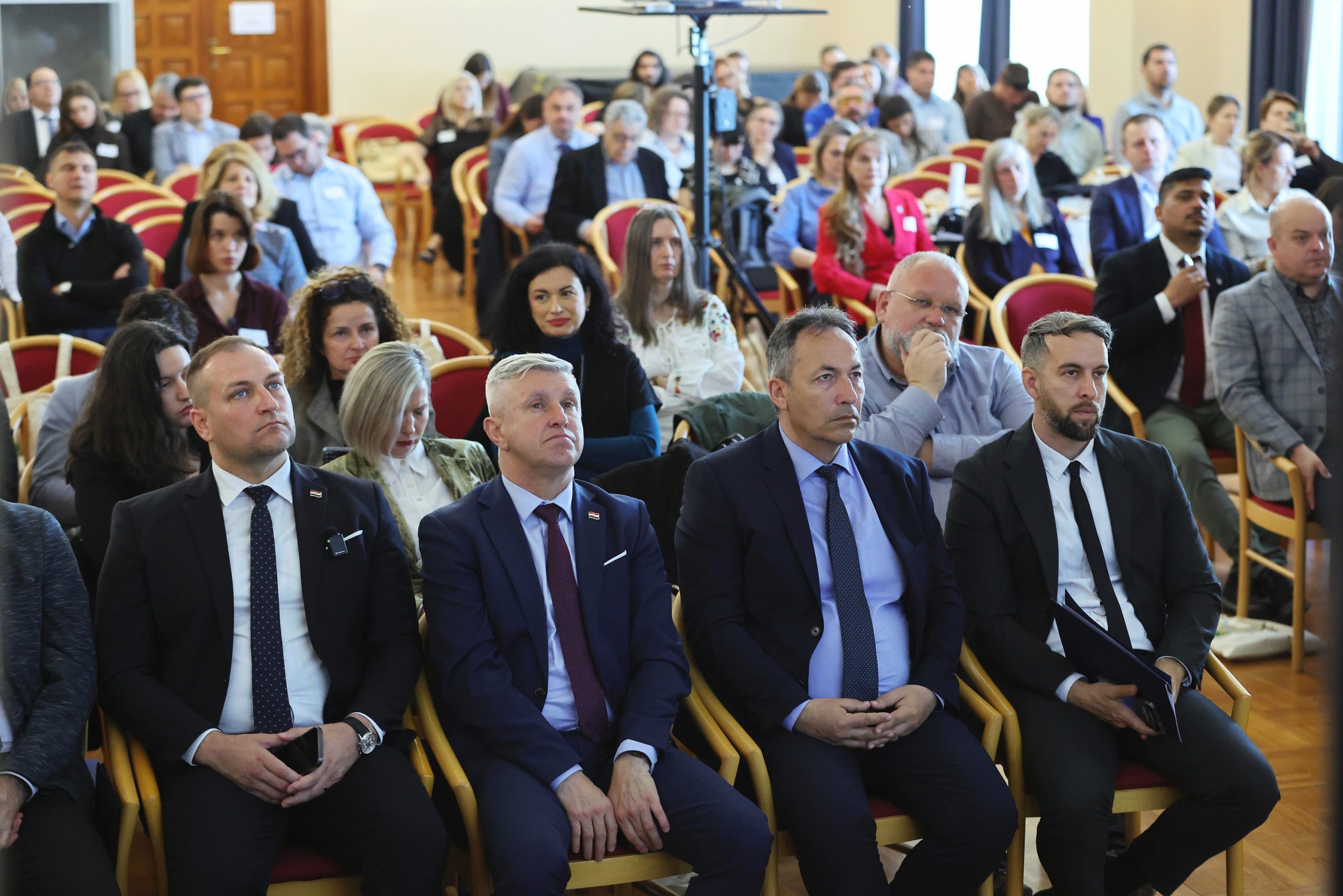
Following the project meeting, the BIOEAST Bioeconomy Conference (22–23 April), co-organized by the B4B project and the BIOEAST Initiative, brought together more than 120 participants from across the CEE to initiate discussion about the policy implications, future impact and valorisation opportunities of the bioeconomy action plans at national, macro-regional and European levels while showcasing good examples of bioeconomy strategy implementation from the BIOEAST macro-region.
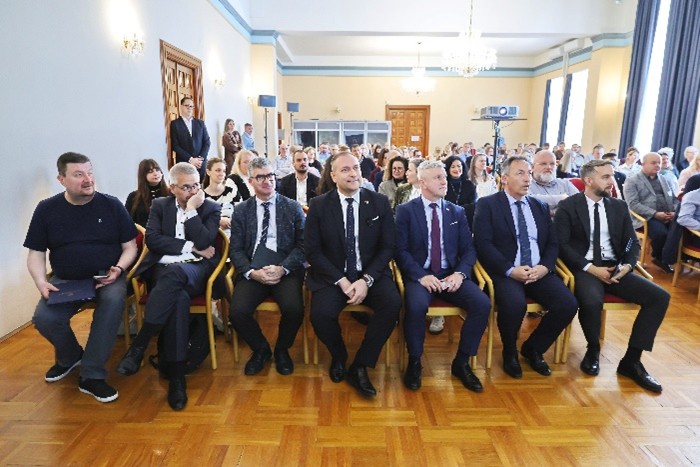
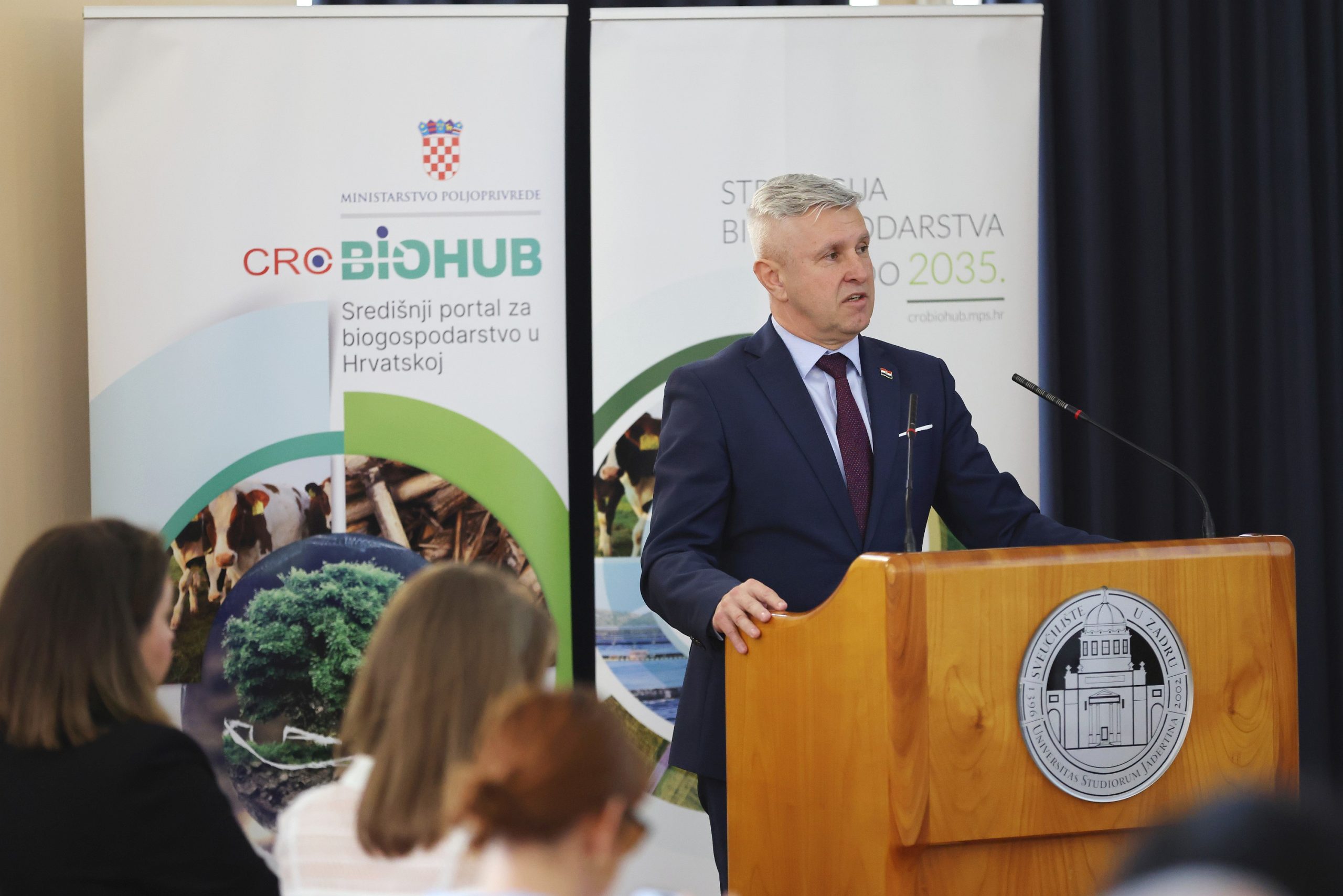
The conference was opened by David Vlajčić, Vice president of Croatian Government and Minister of Agriculture, Forestry and Fisheries, Croatian Ministry of Agriculture, Ante Ćurković, Deputy Mayor, City of Zadar and Josip Faricic, Rector, University of Zadar.
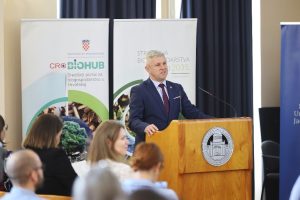
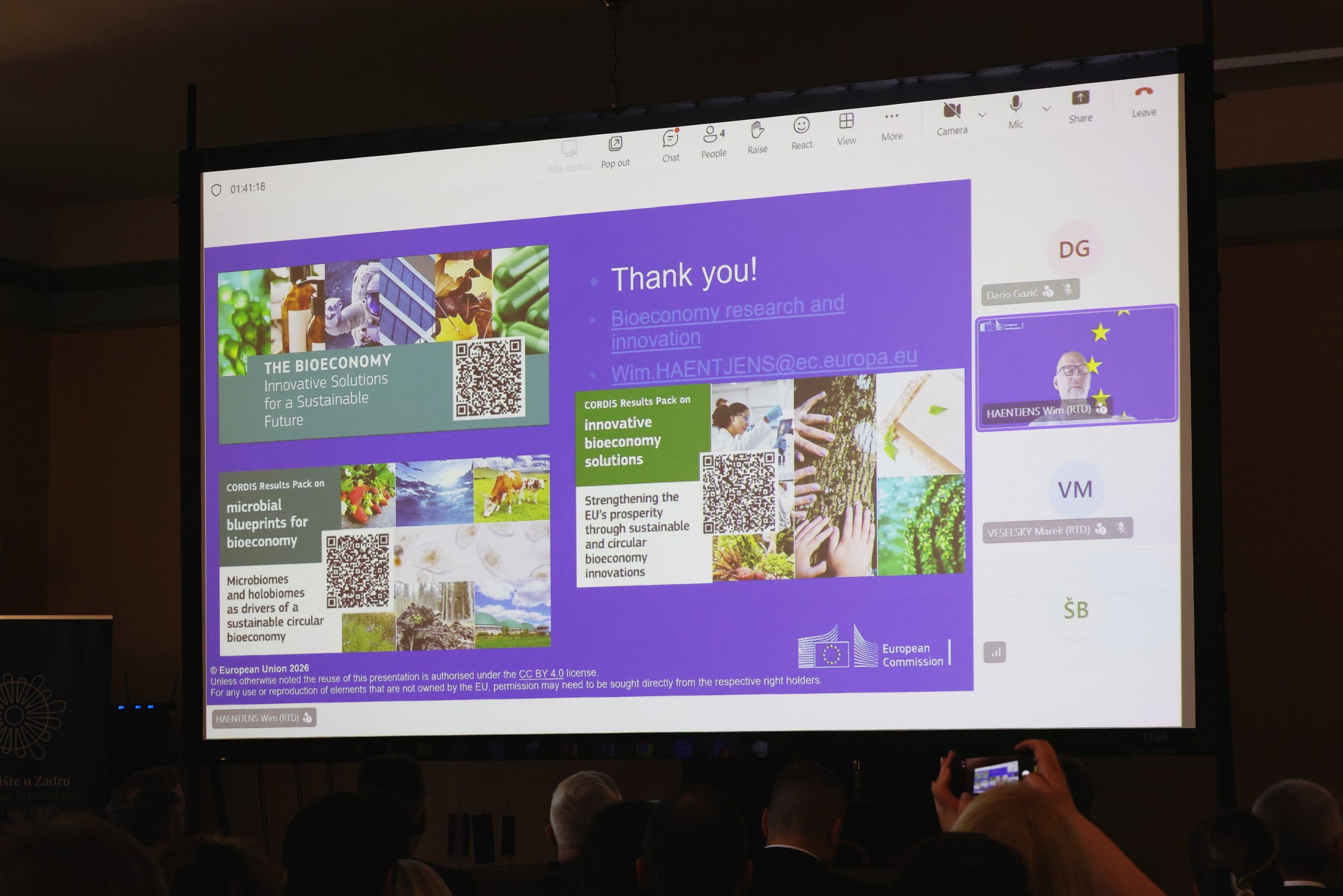
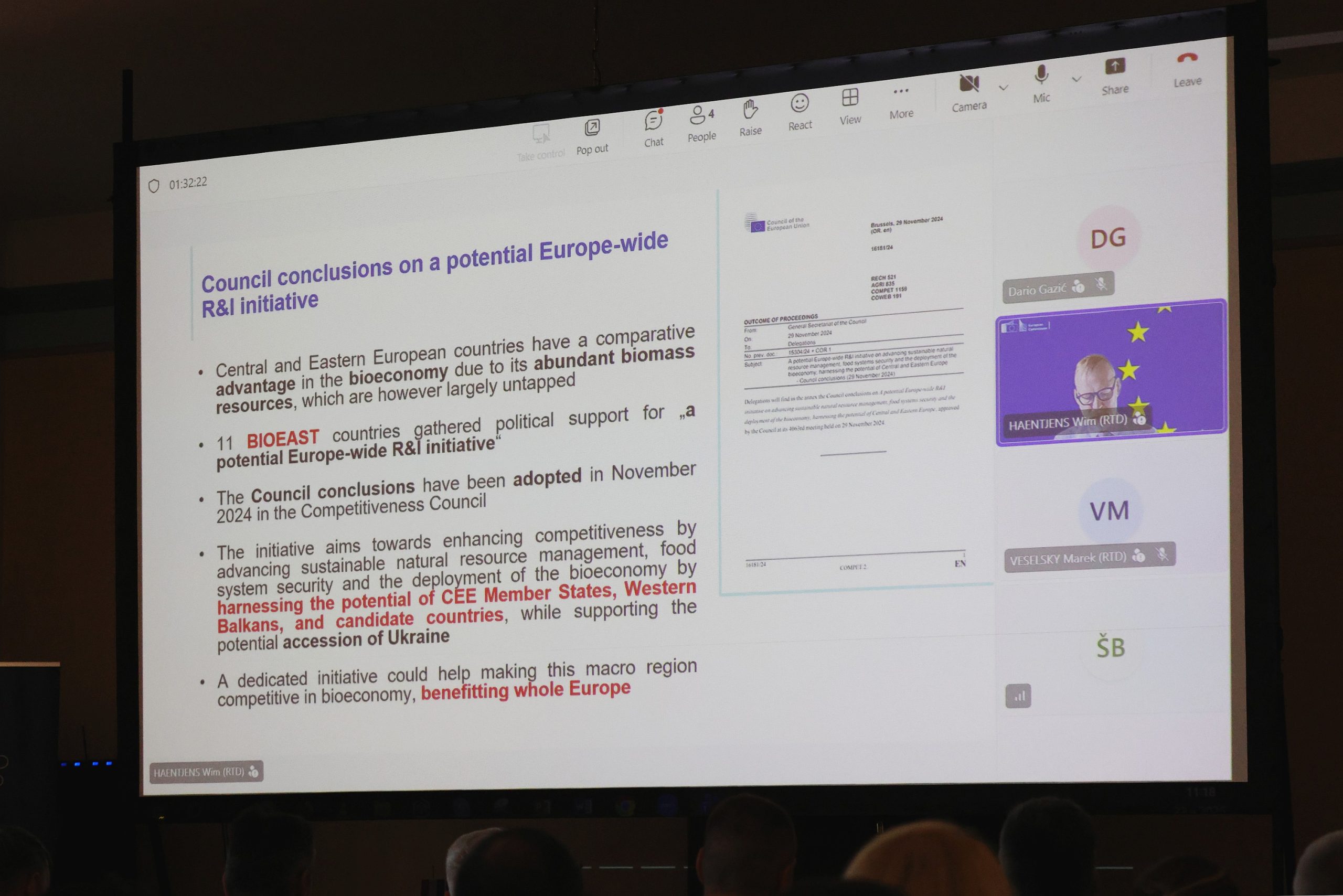
Tugomir Majdak, State Secretary, Croatian Ministry of Agriculture, Forestry and Fisheries kicked off the plenary by giving an overview of the current state of Croatian bioeconomy and presented the newly adopted national bioeconomy strategy. The strategy outlines the most prominent development areas from mapping the availability and demand for biomass, managing sustainably natural resources, fostering scientific and research activities and innovation as well as their usage in bioeconomy, to enabling selected bioeconomy value chains and fostering the consumption of domestic bioeconomy products. Wim Haentjens, Head of Sector for Bioeconomy at DG Research and Innovation provided a comprehensive outlook on how EU’s new Bioeconomy Strategy will be implemented considering specific geopolitical factors. He highlighted the strong alignment with the BIOEAST Initiative and its UniNet for supporting the implementation and acknowledged the project’s efforts in advancing bioeconomy policies in the CEE countries, especially the strong link established with the national ministries.
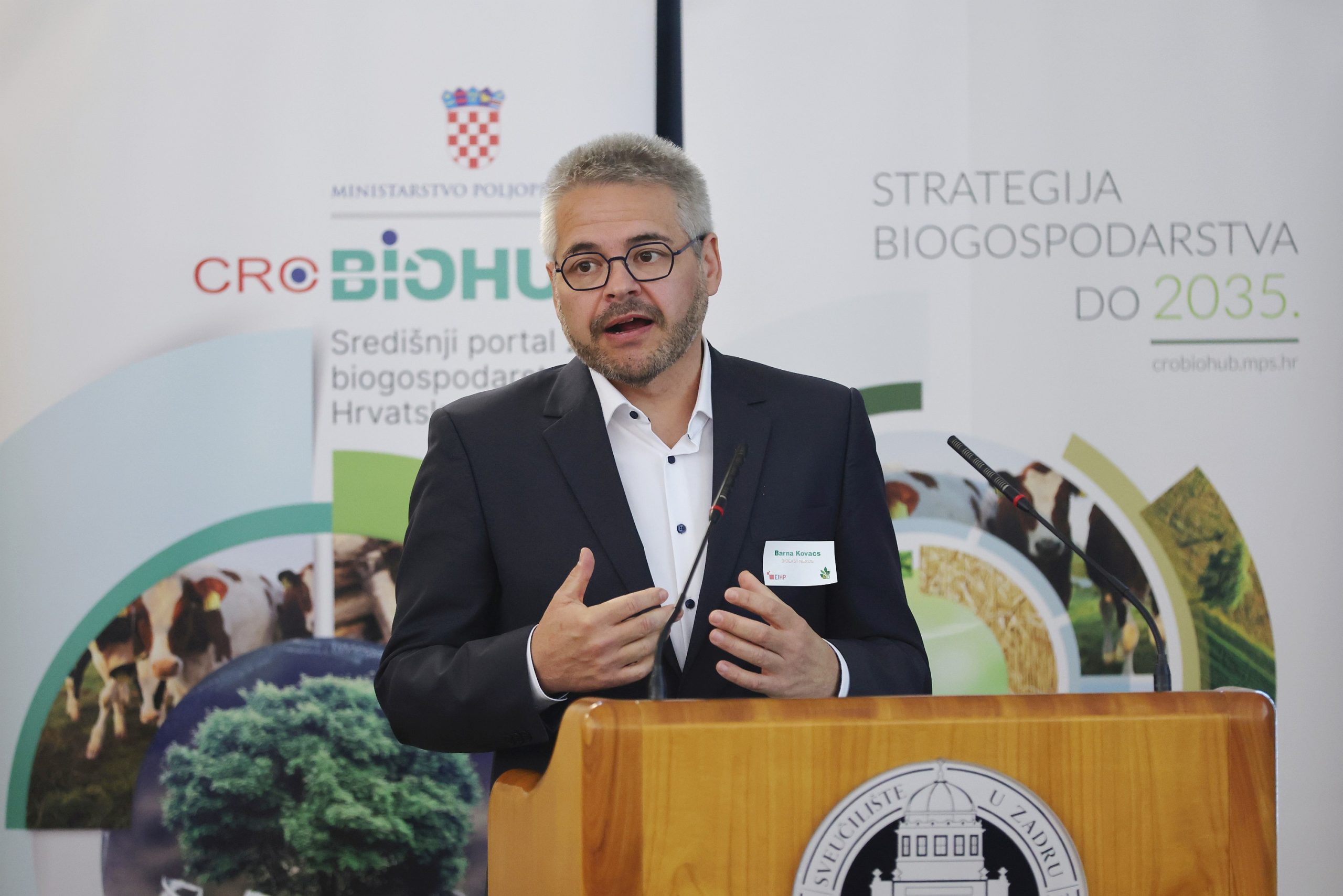
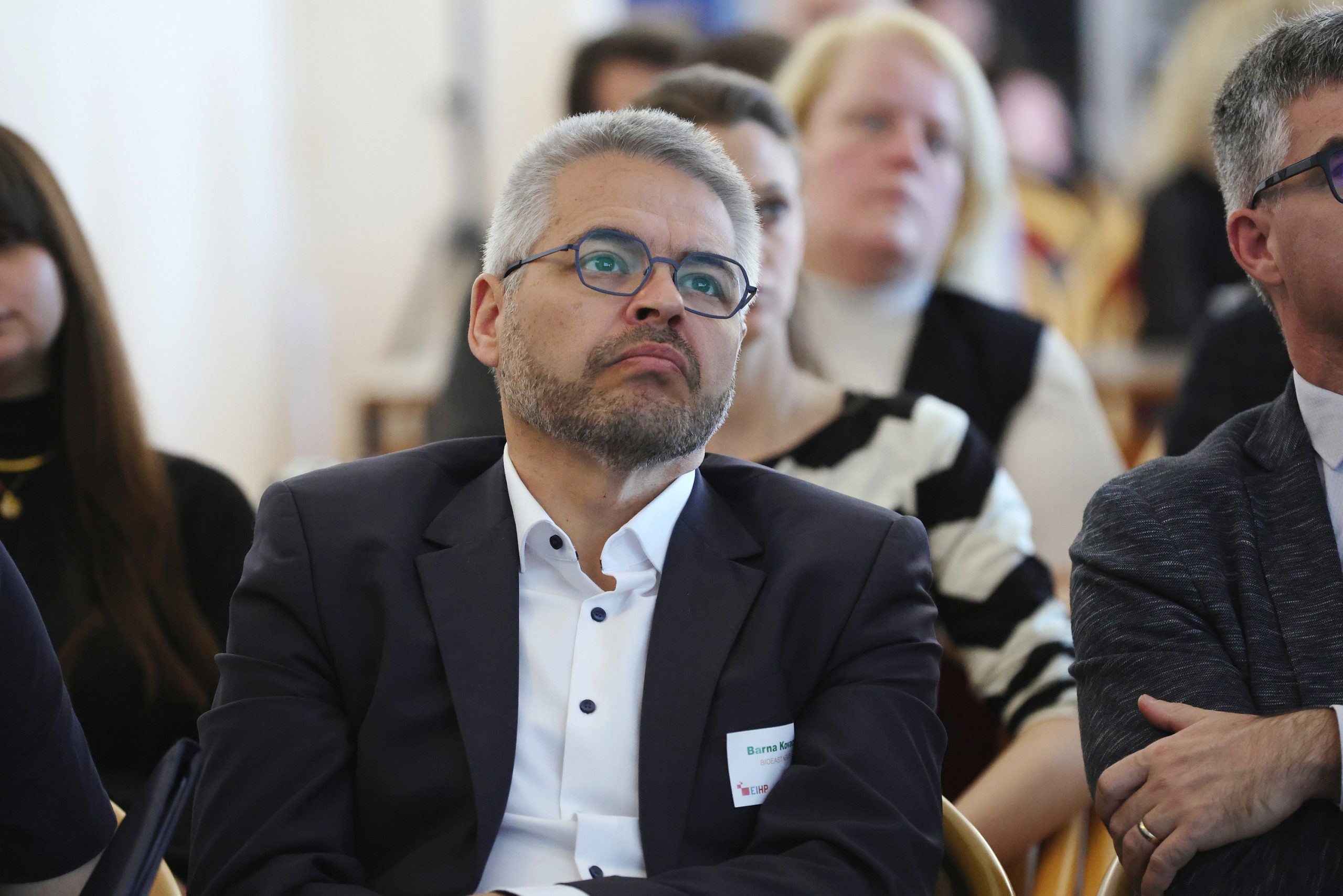
Barna Kovács, Secretary of the BIOEAST Initiative, closed the plenary with a call to further strengthen the competitiveness and sustainability of BIOEAST countries by turning local biomass, biowaste and natural resources into higher value products and services through research, innovation and knowledge-based cooperation, including education, thereby contributing to the EU’s strategic autonomy through a new BIOEASTWIDE cooperation which will not only include the BIOEAST countries, but the Western Balkan, Ukraine, Moldova and other EU countries. (The foundations of this EU-wide partnership will be laid down by the follow-up project of BOOST4BIOEAST, the BIOEASTWIDE from 2026 onwards.
After the plenary presentations, the programme continued with an engaging panel discussion highlighting the innovative solutions of five winners of the BIOEAST OIC moderated by Kevin Ryan from Irish Bioeconomy Foundation. Rossen Kolev, co-founder and CEO of SmartFarm Robotix introduced a chemicals-free automated solution for weed management, Simona Kelher, from KNOFmowa, a modular, free-standing partition wall made from locally collected surplus materials, Alen Hrustić, CEO of ALGO EKO, a multispectral and hyperspectral cameras implemented on drones to determine the usage of illegal plant protection products in organic agricultural production, Rastislav Rasi from NLC, the Smart BIOHUB Network which operates 78 decentralised collection hubs across the Banská Bystrica Region (Slovakia) to optimize biomass and biodegradable waste logistics and Camelia Tulcan, from University of Life Sciences “King Mihai I”, presented a digital platform developed for circular economy training, stakeholder collaboration, and sustainable energy design.
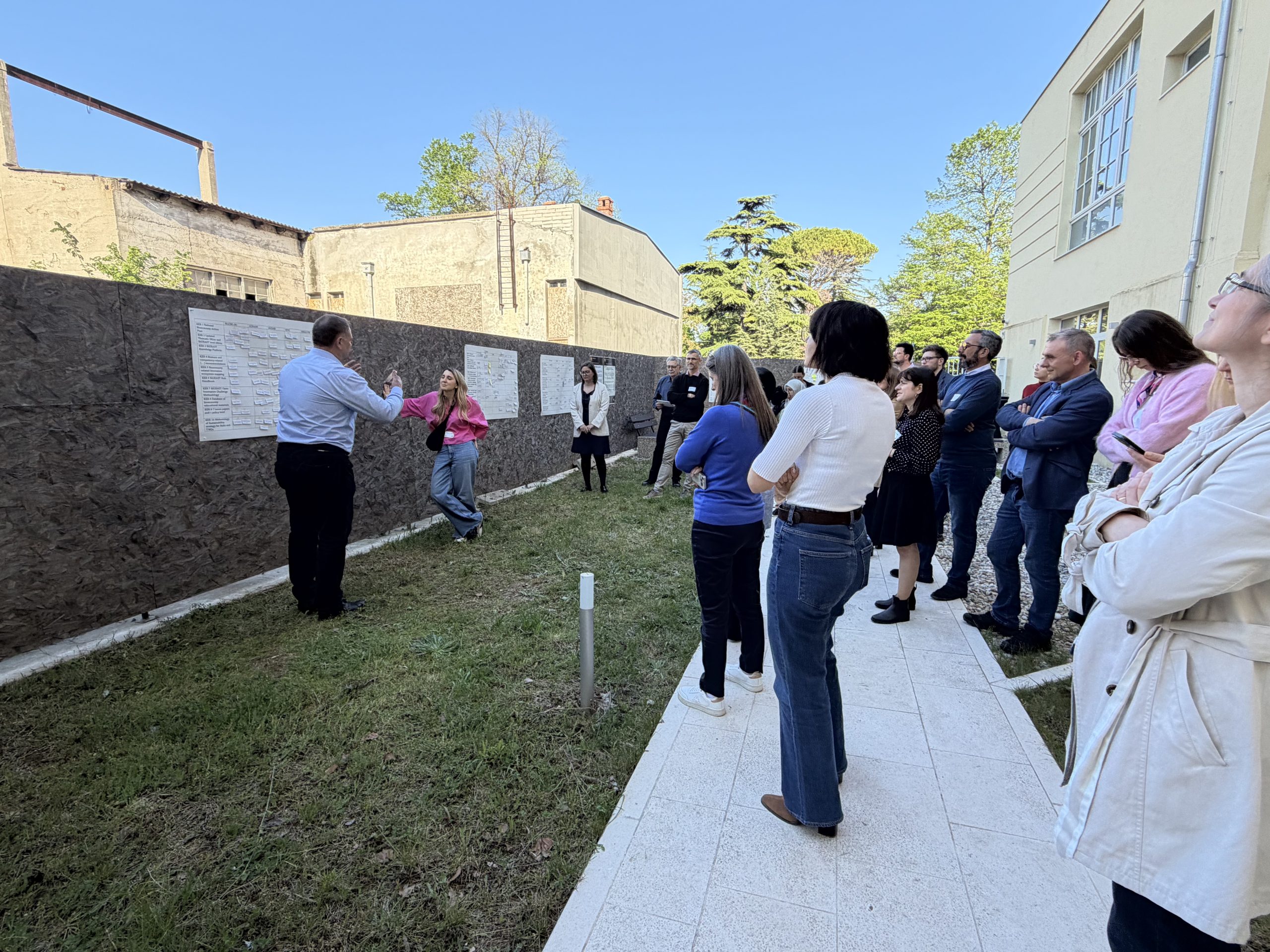
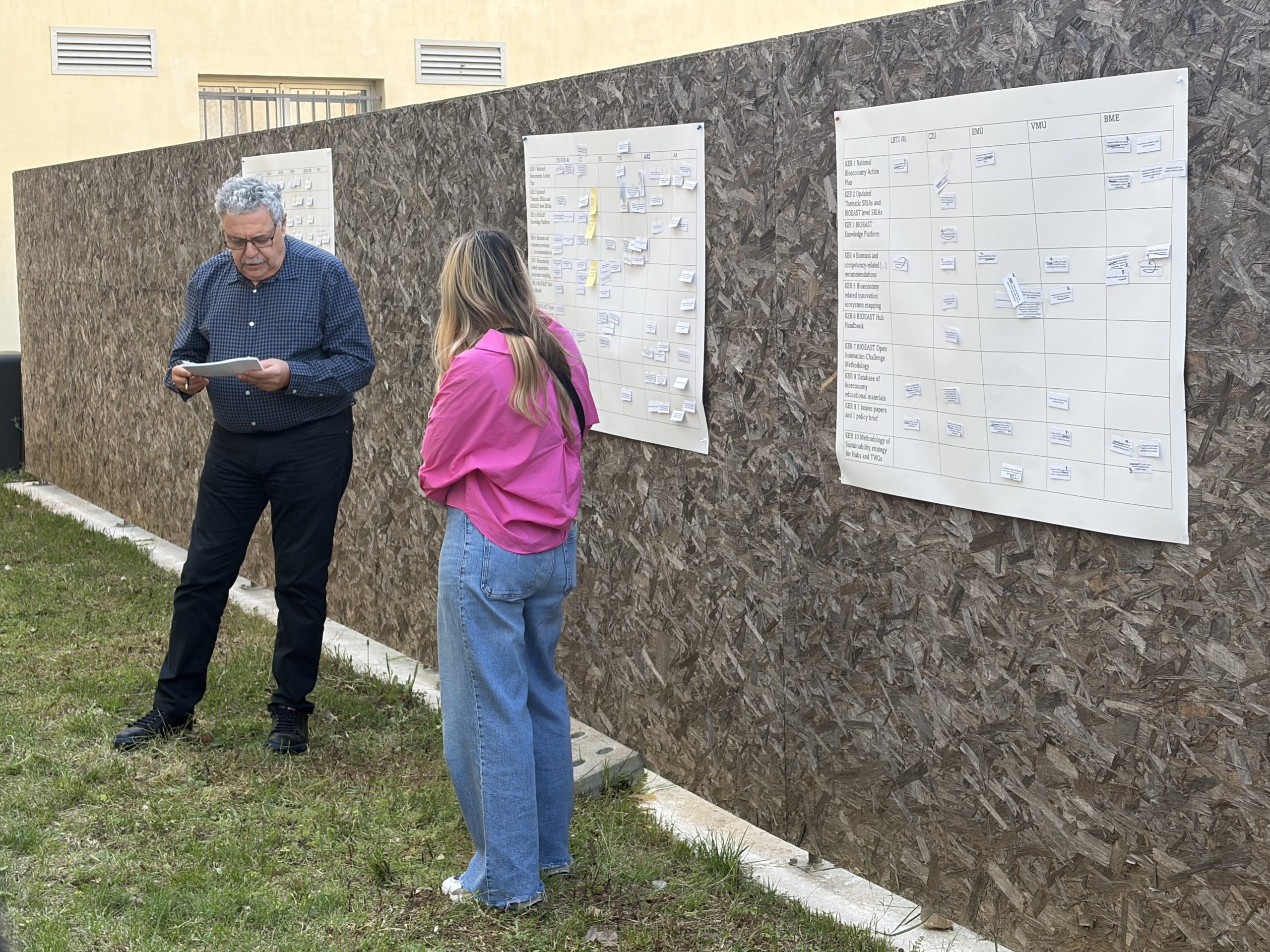
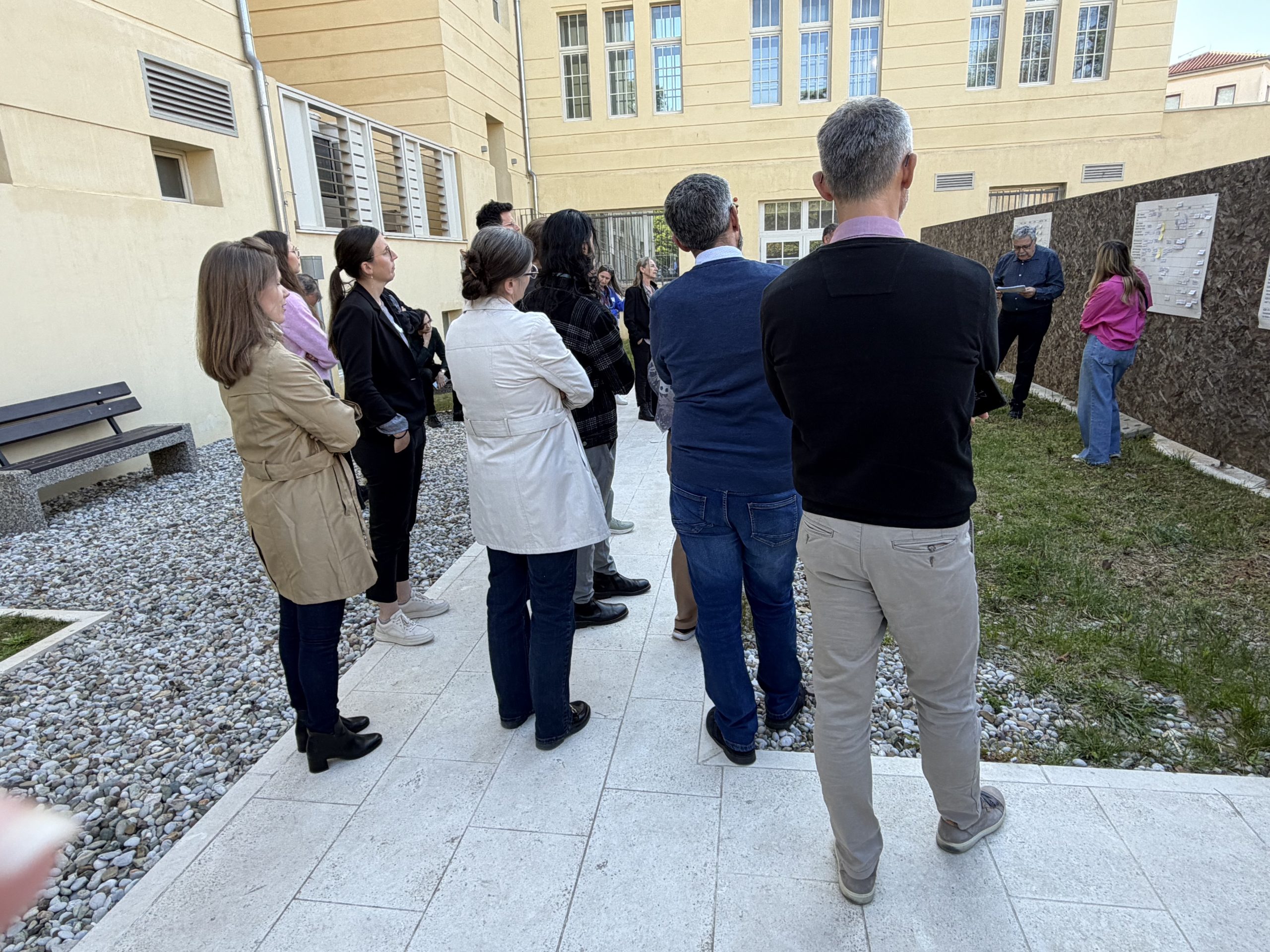
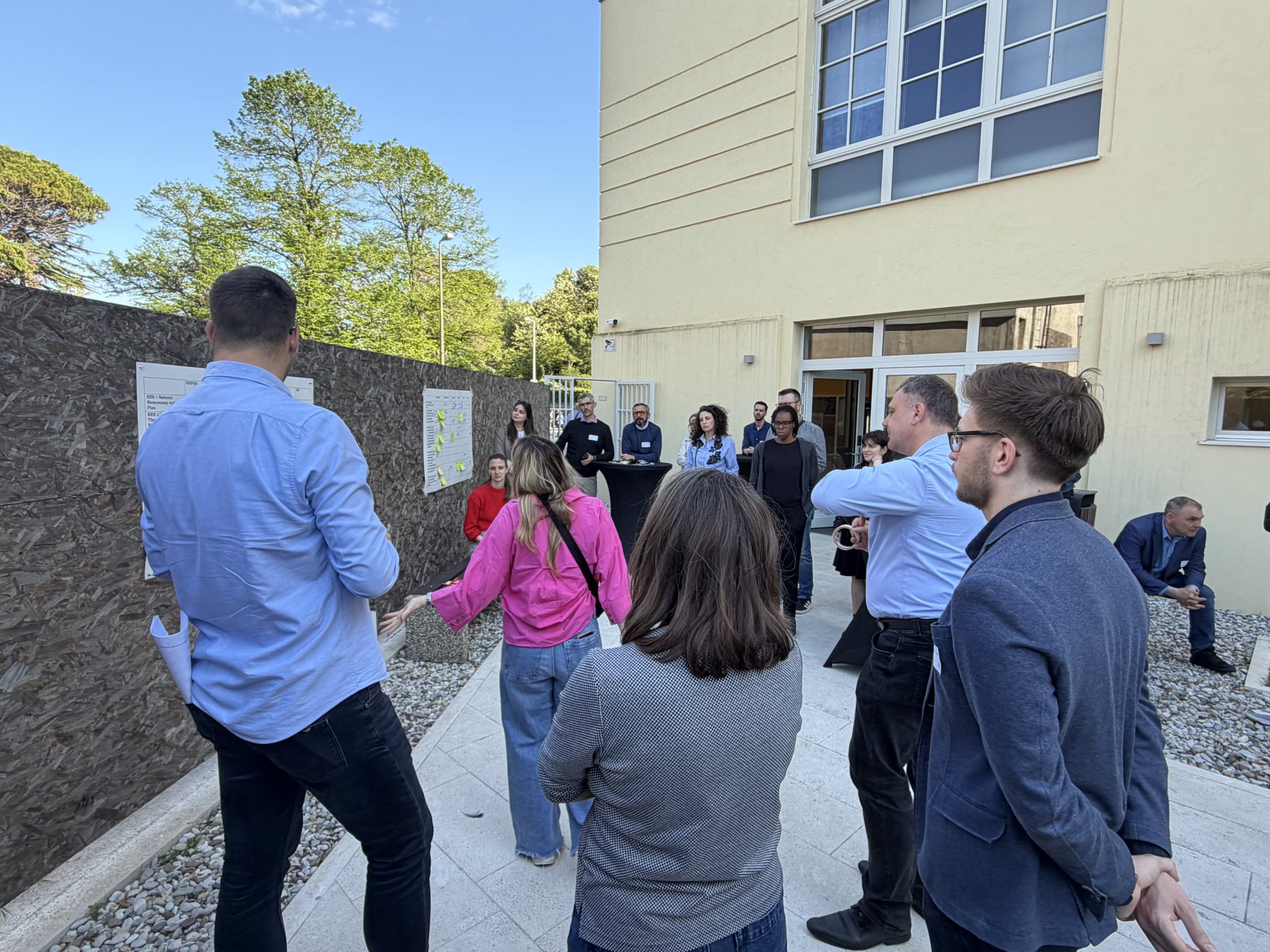
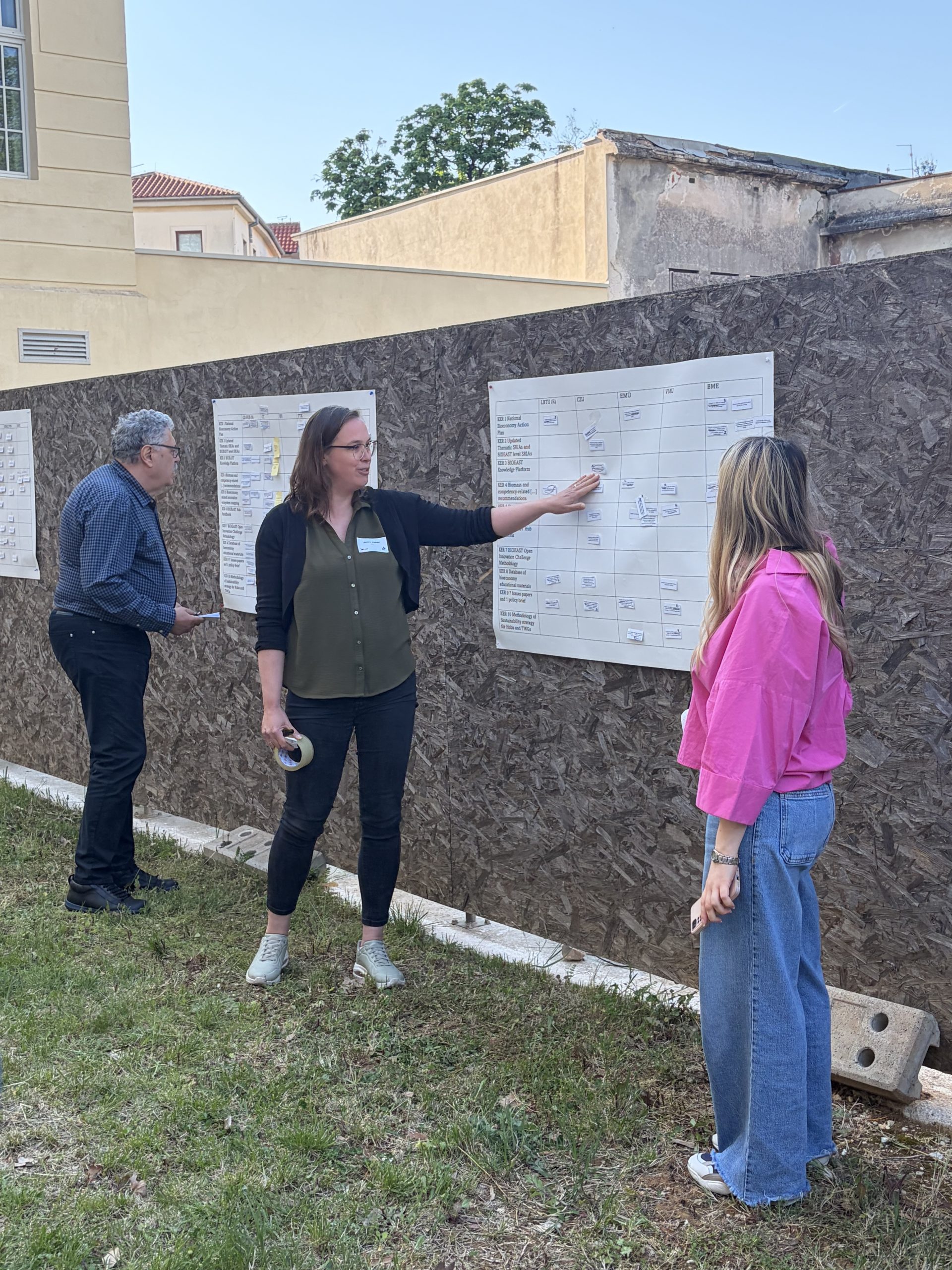
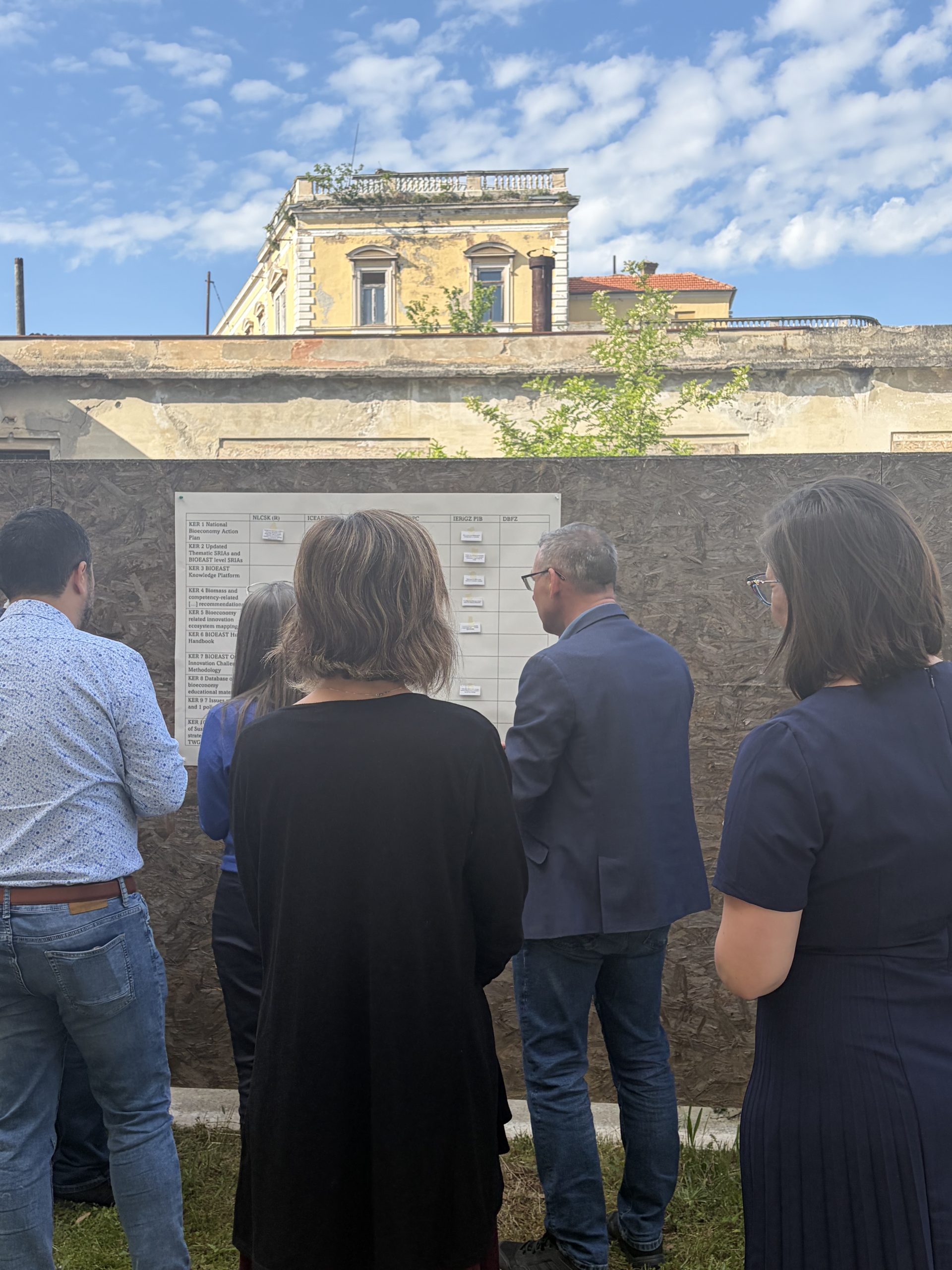
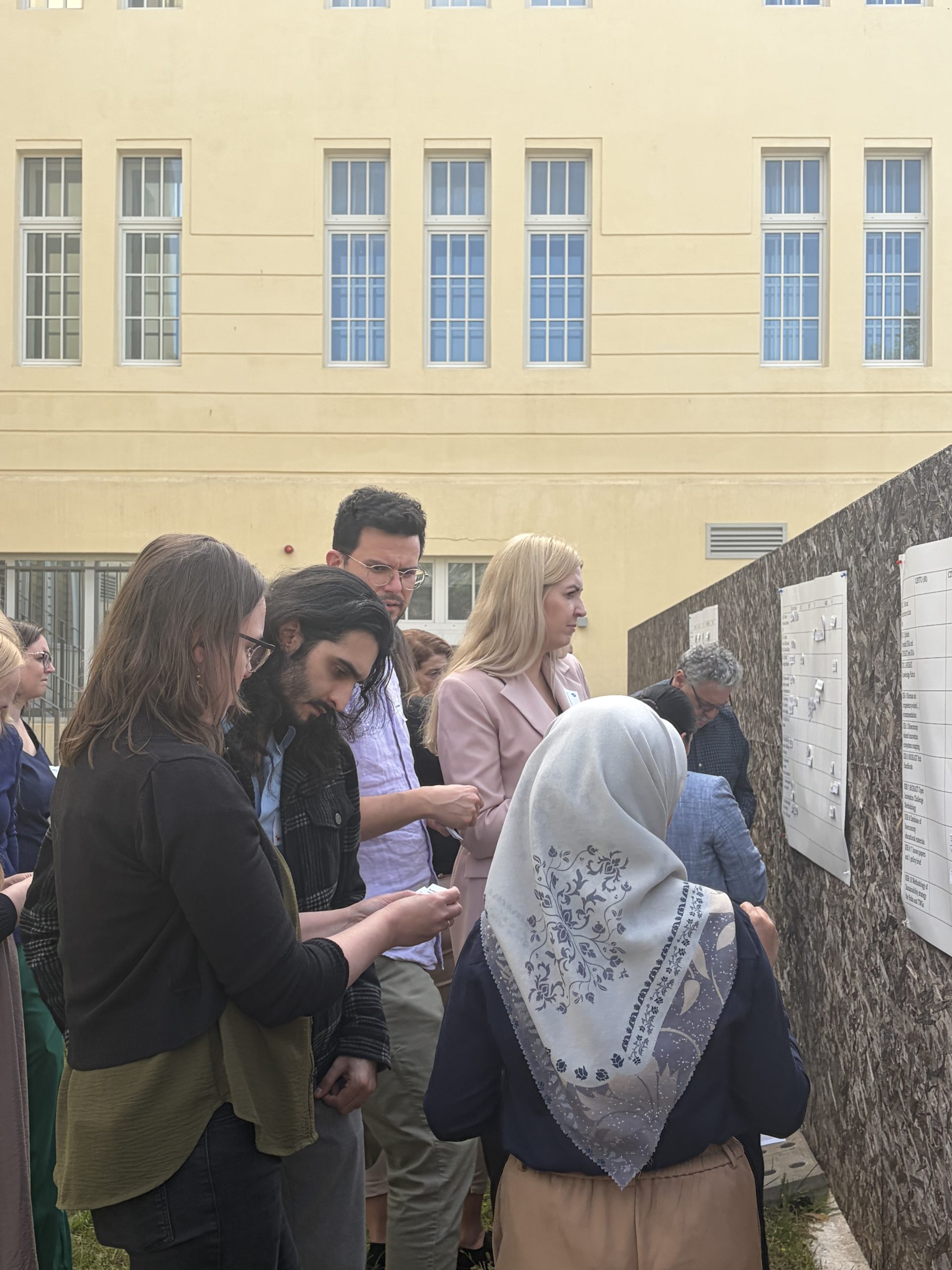
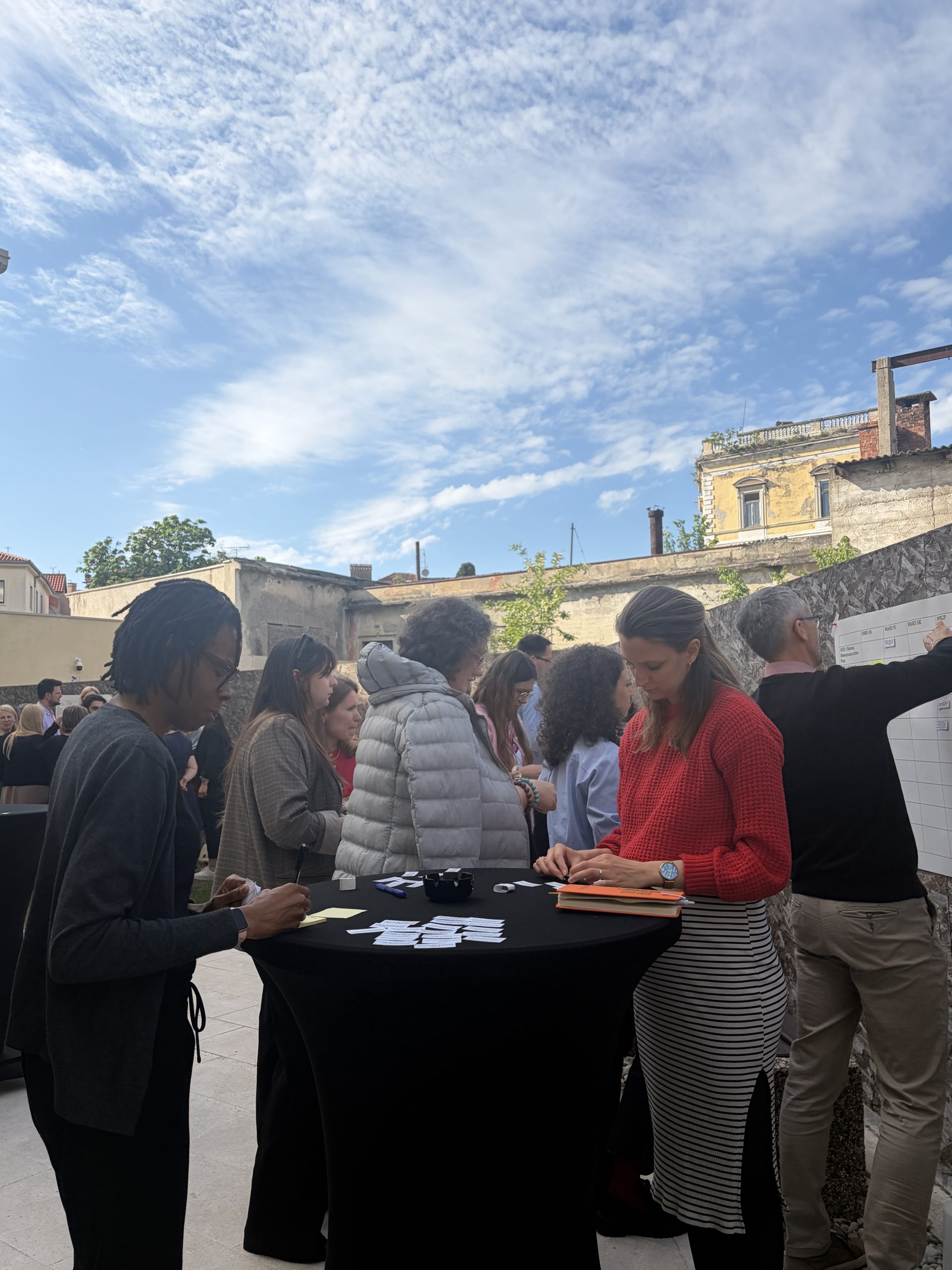
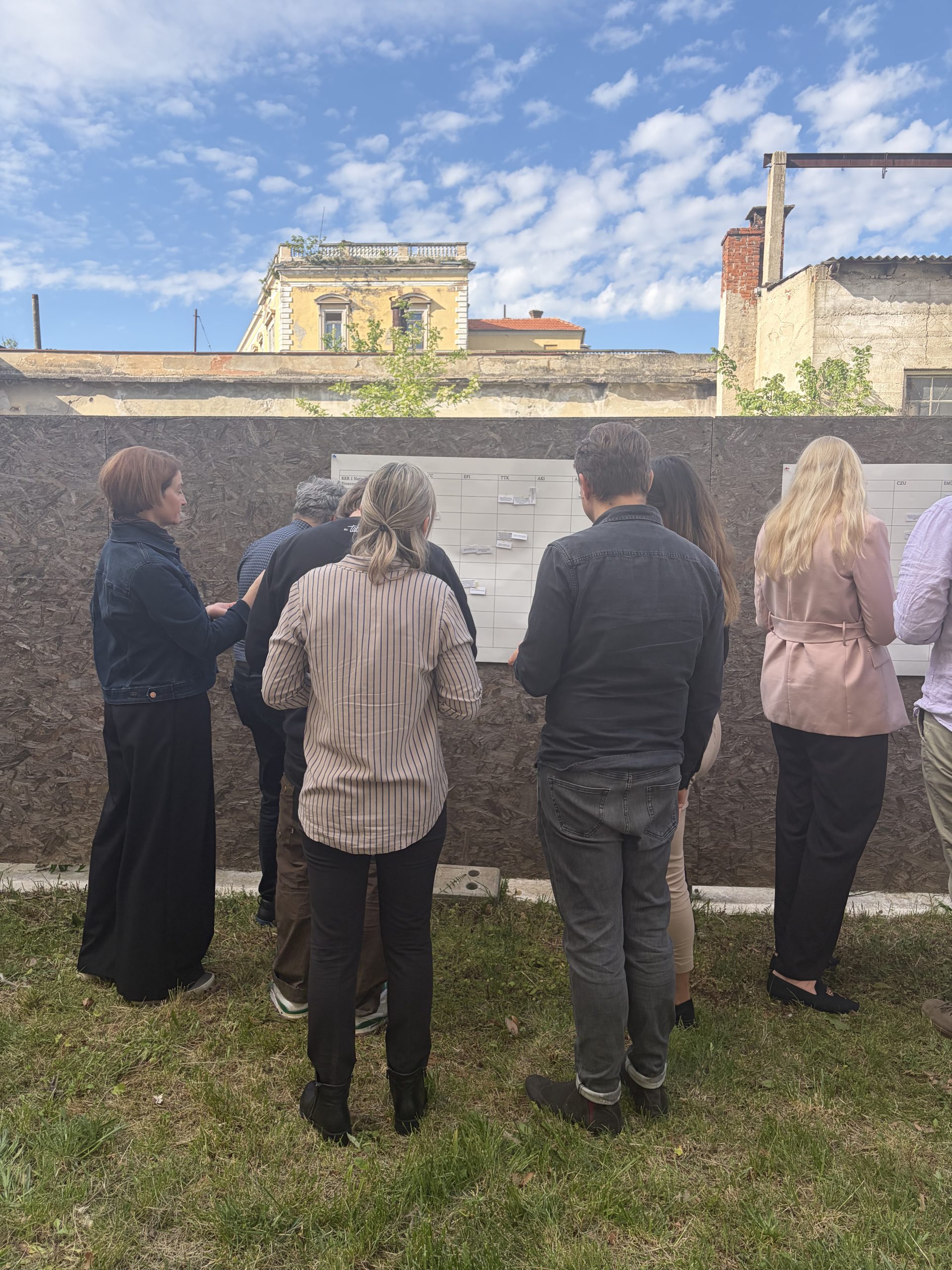
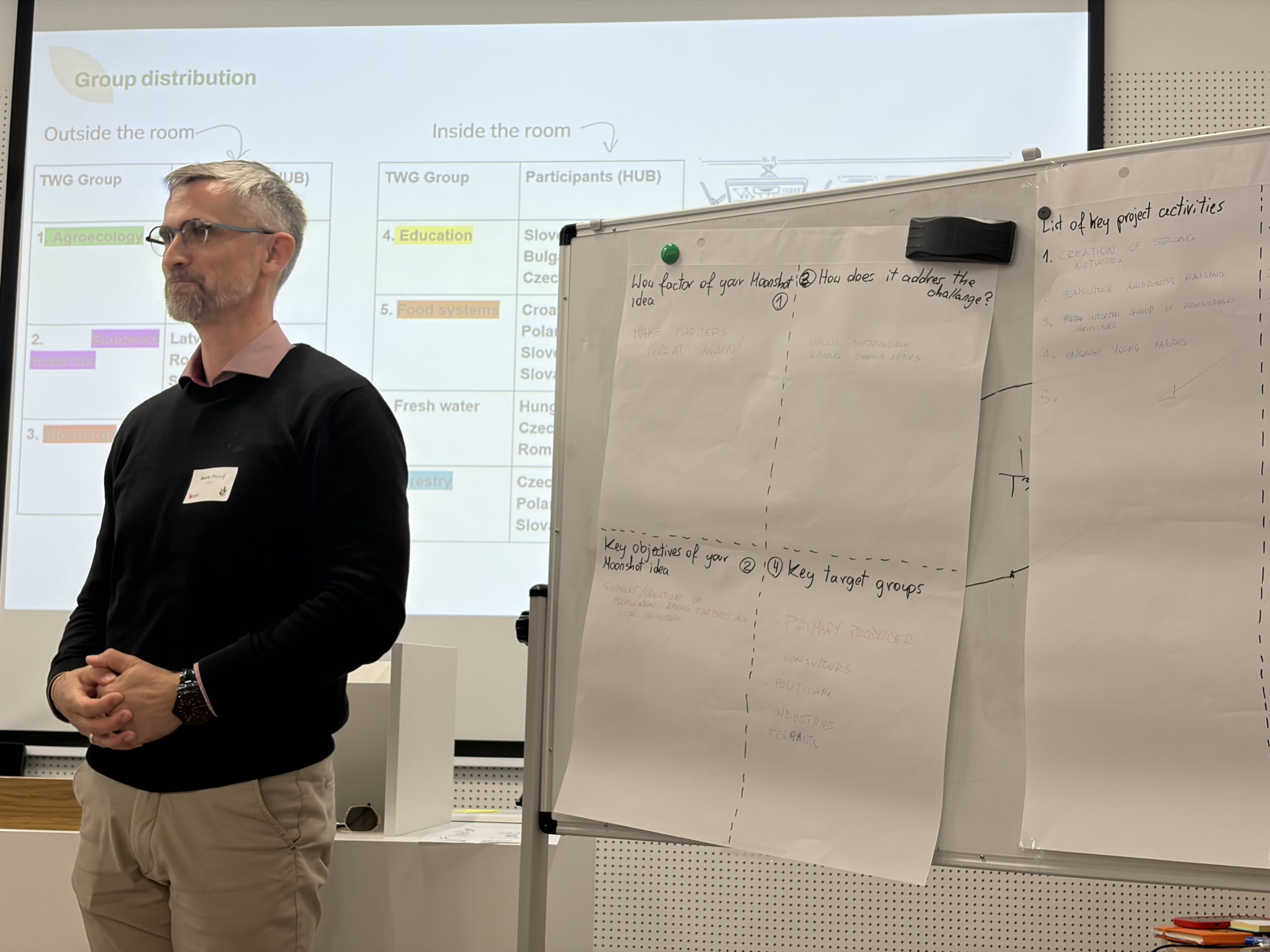
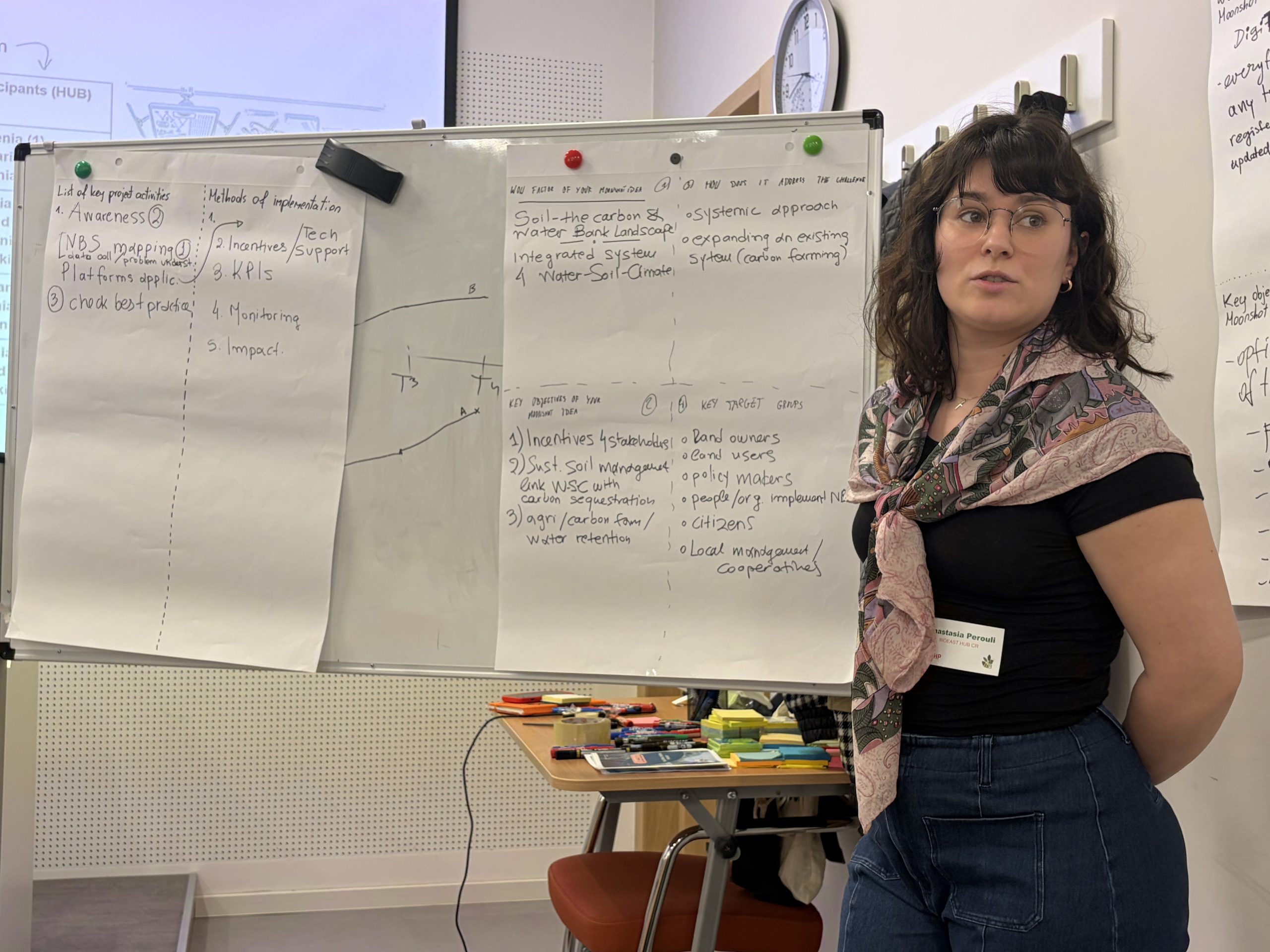
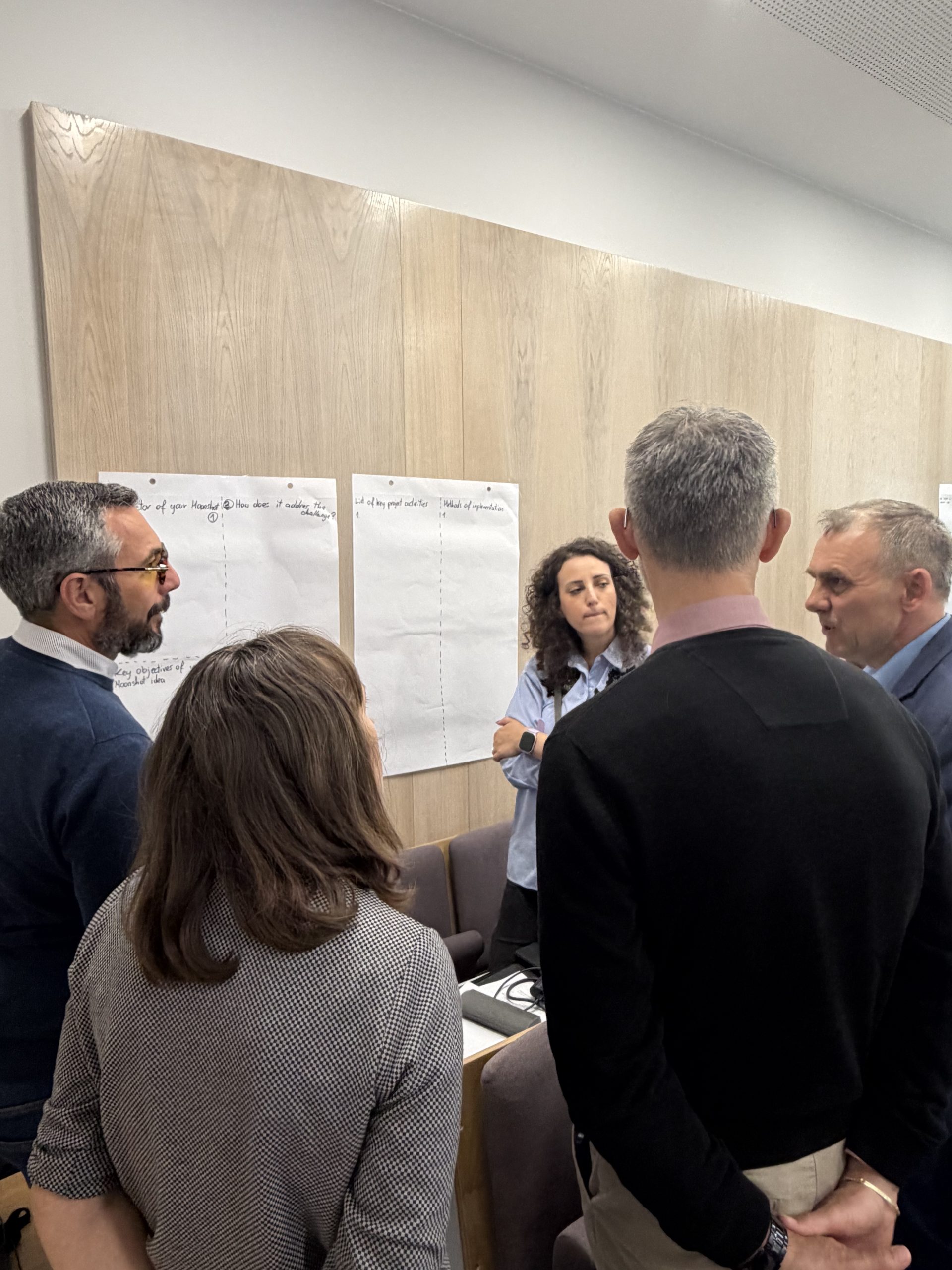
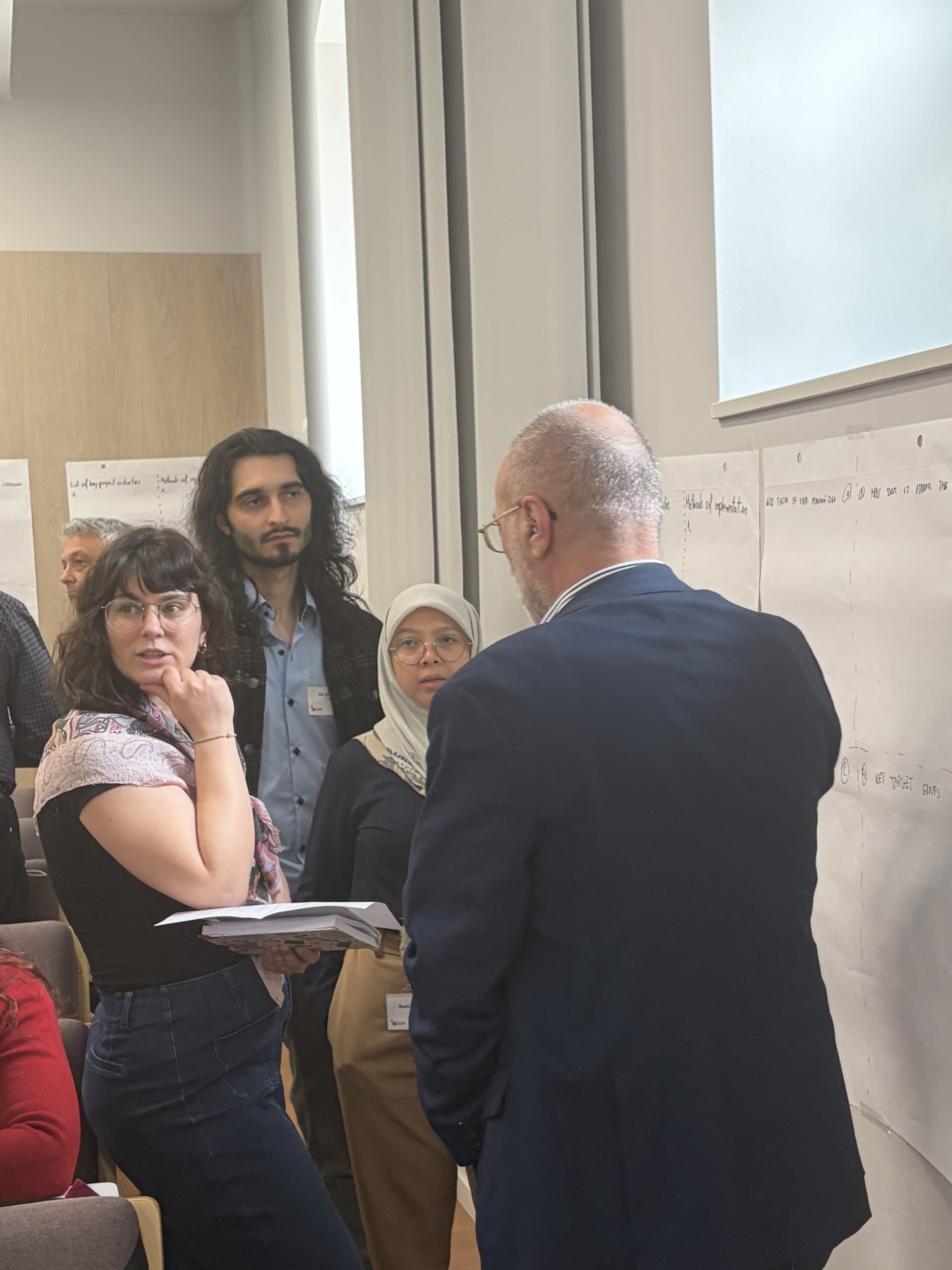
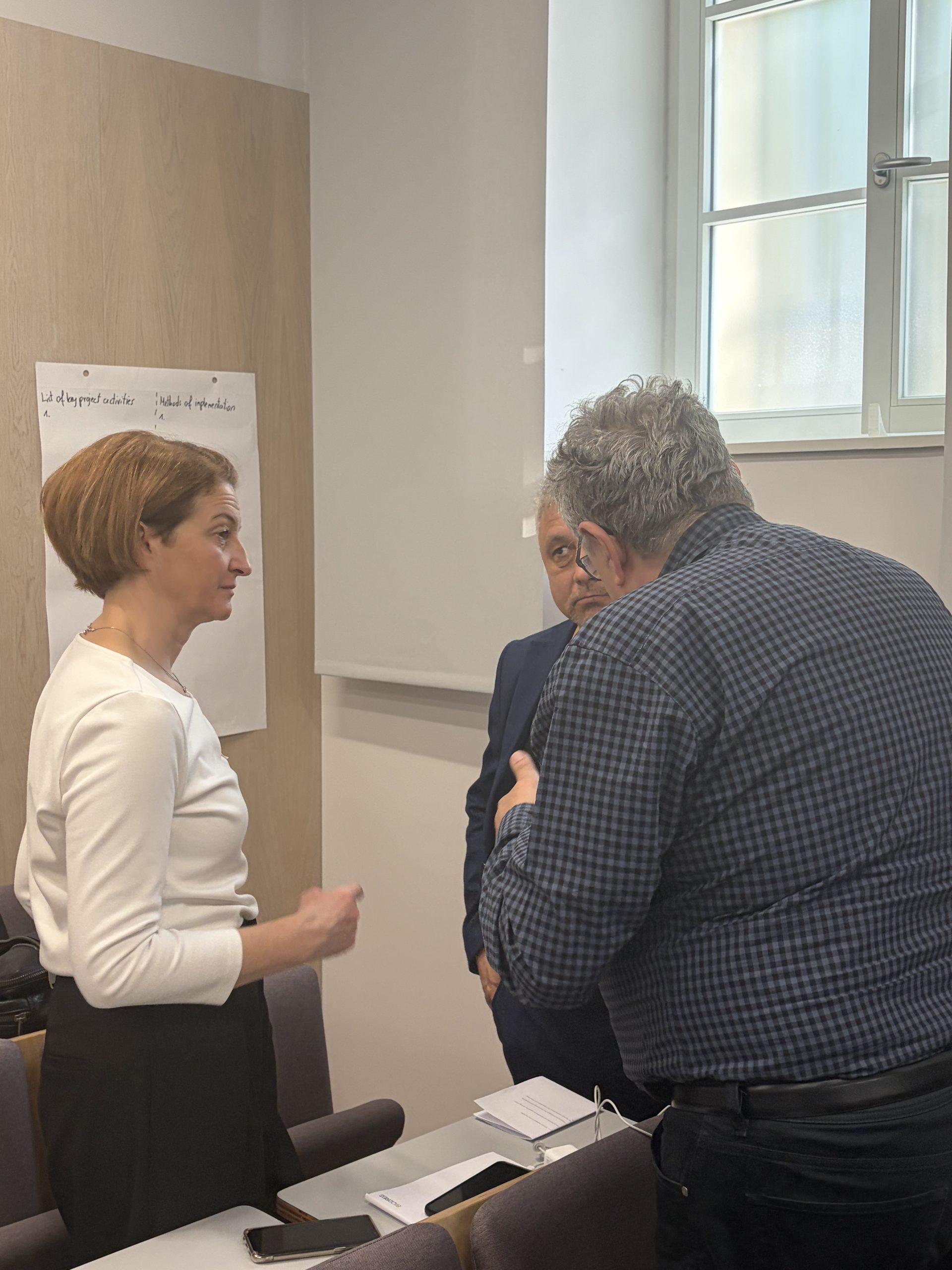
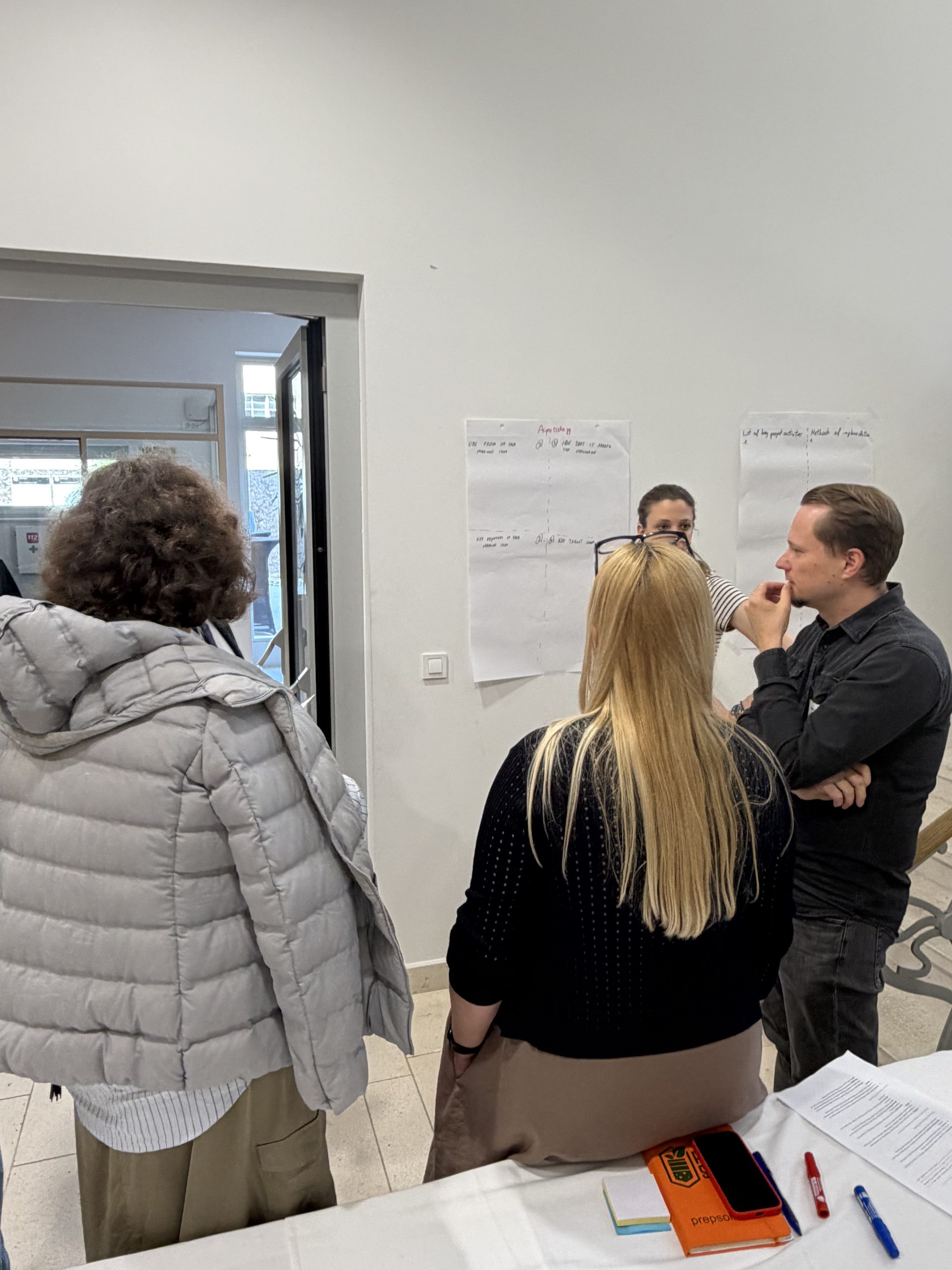
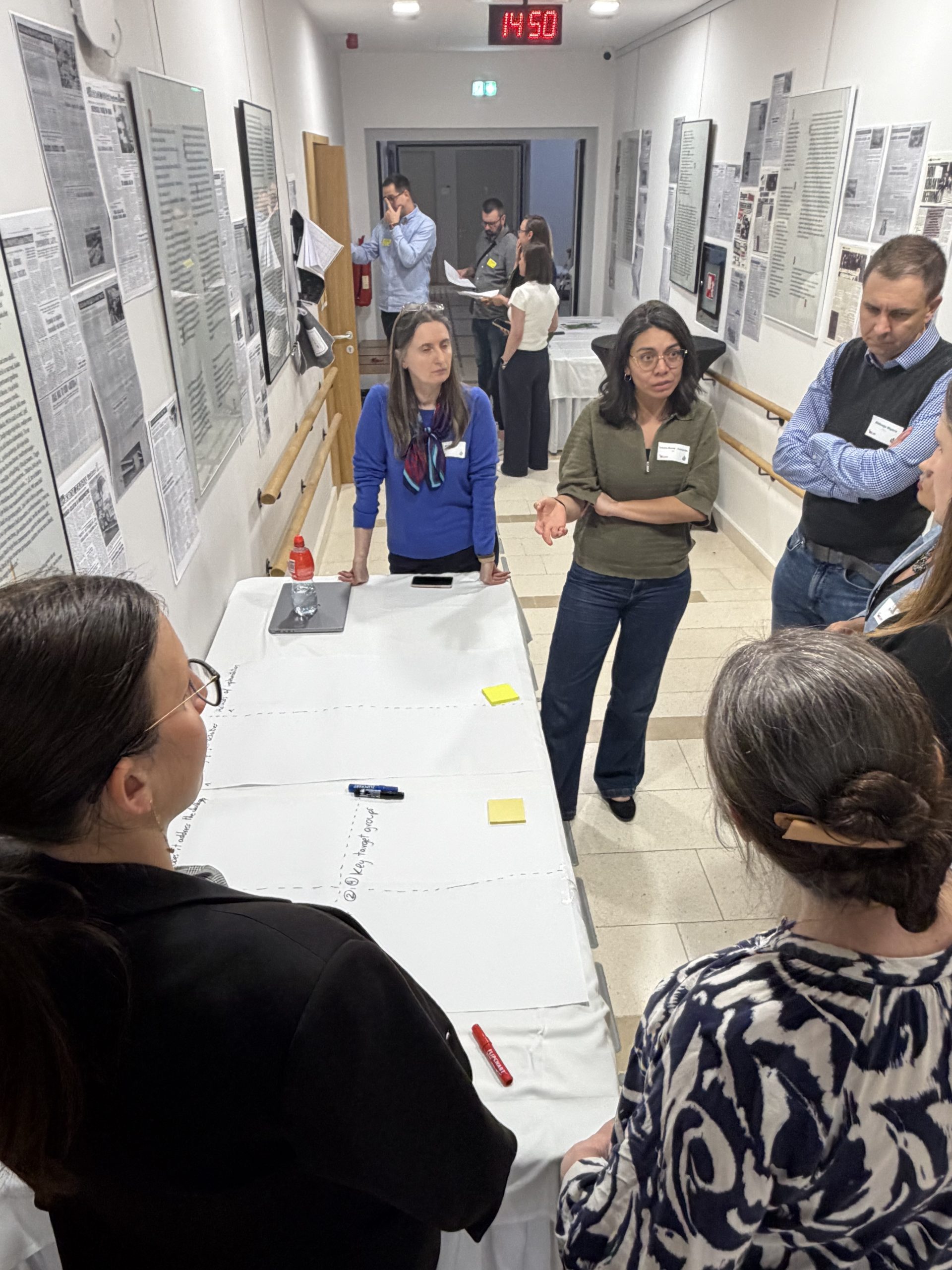
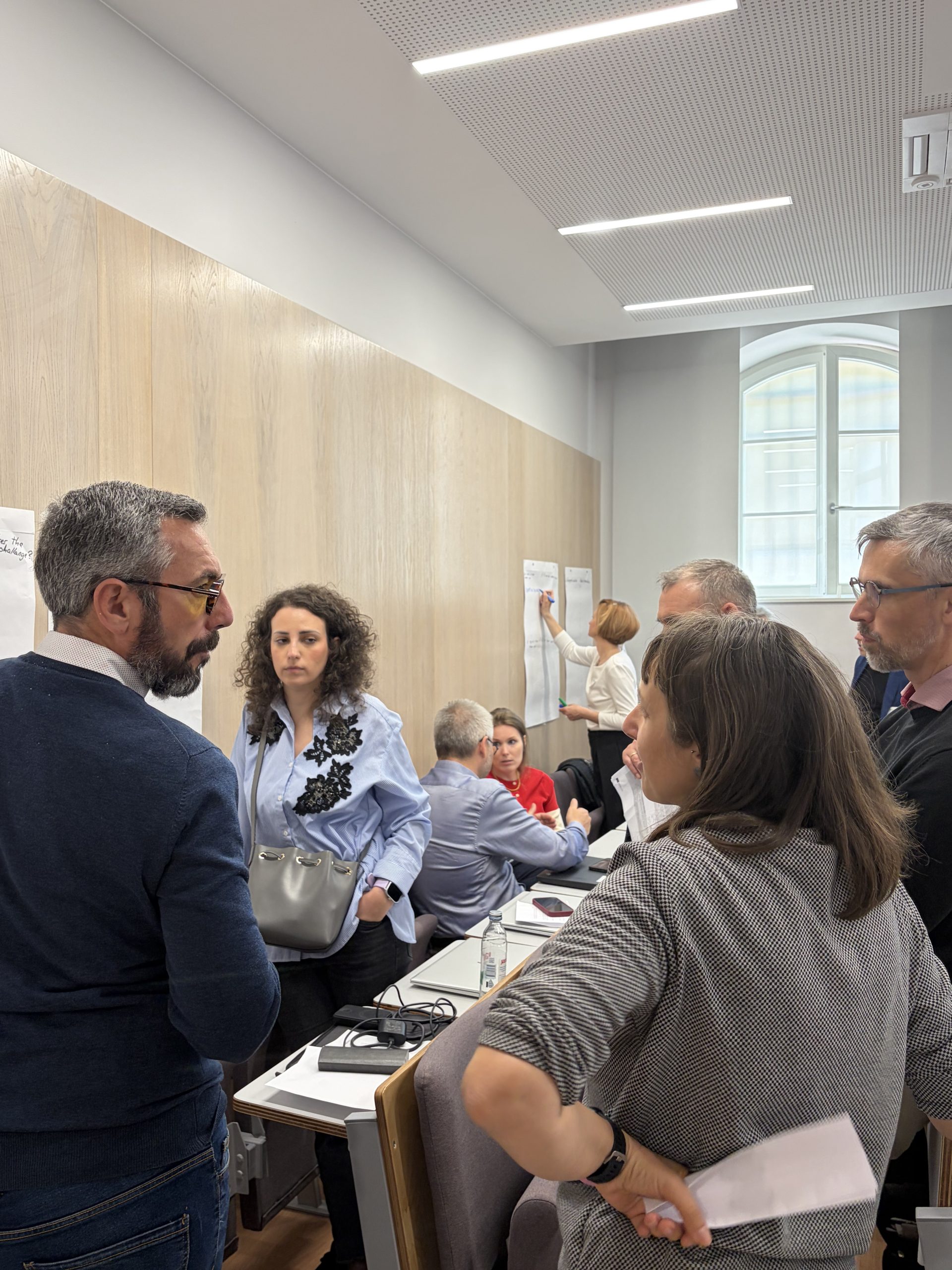
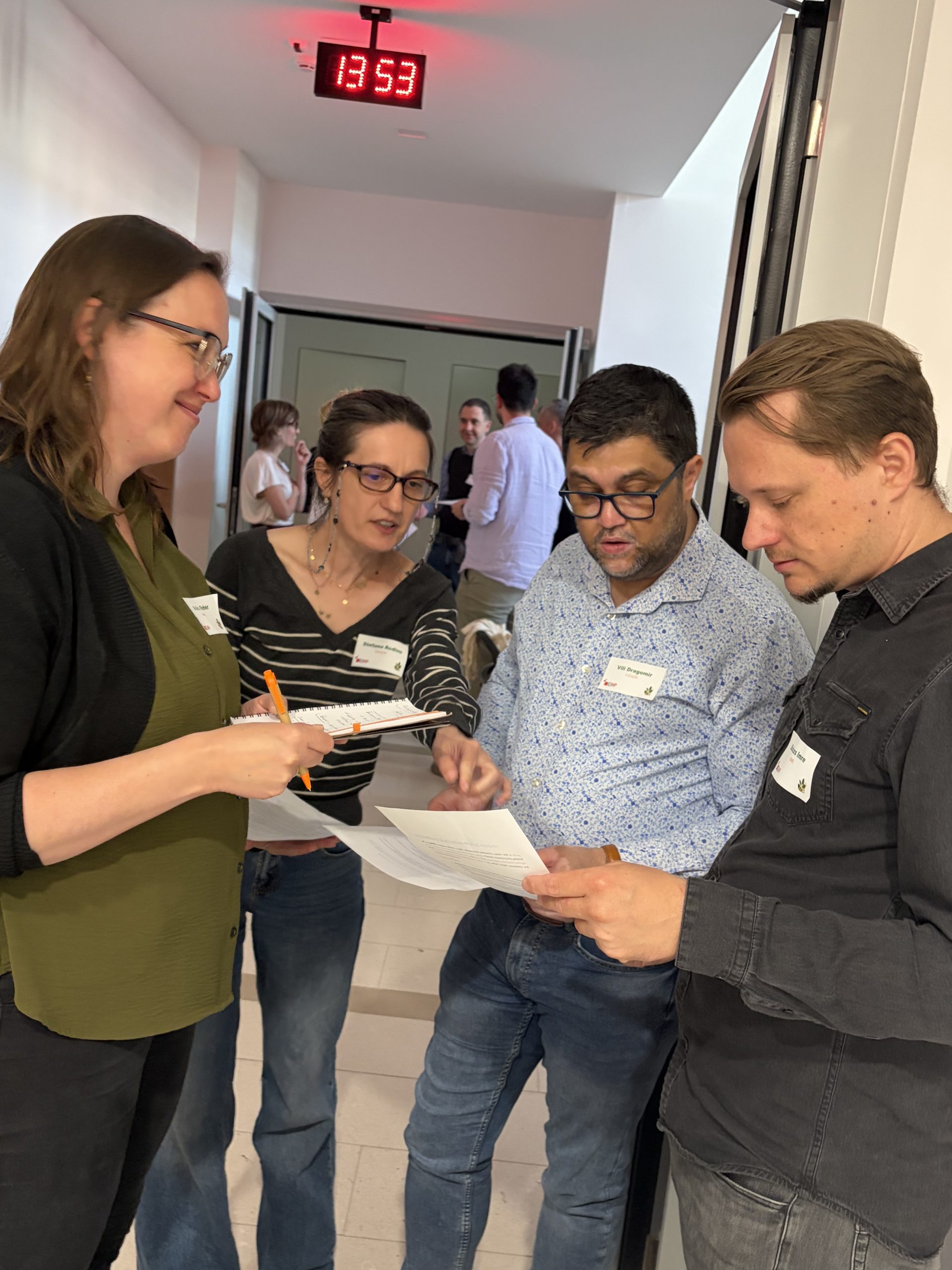
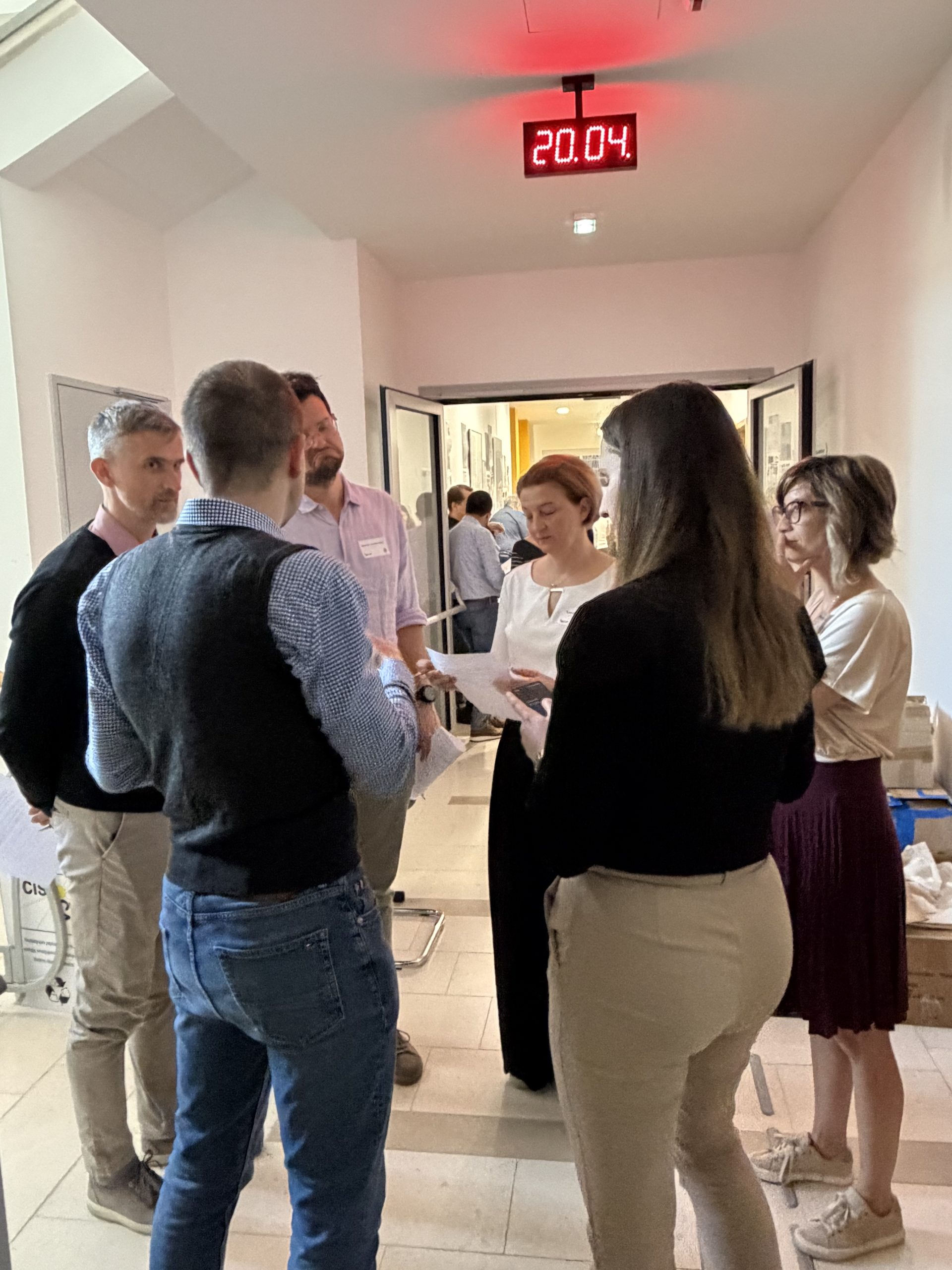
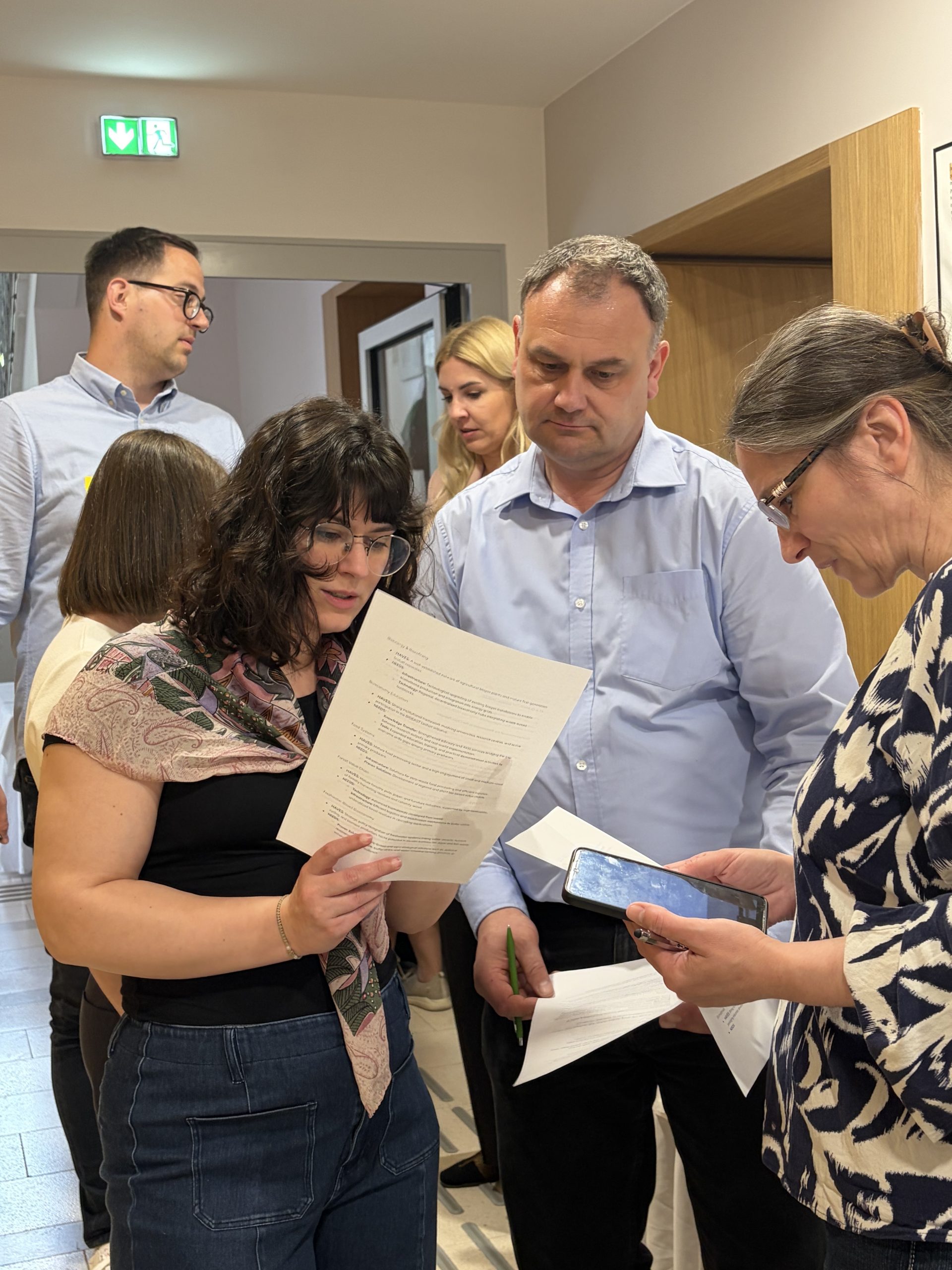
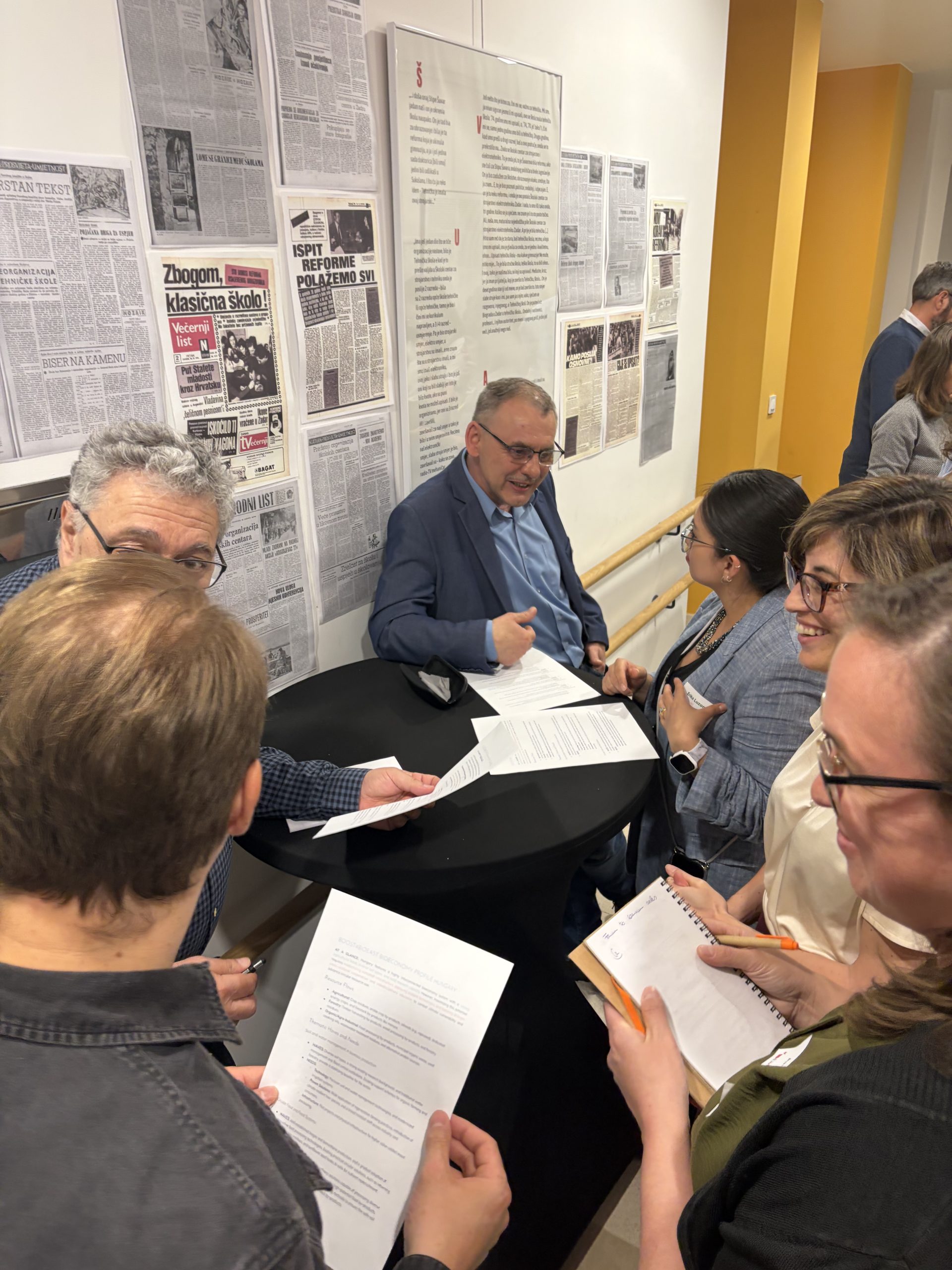
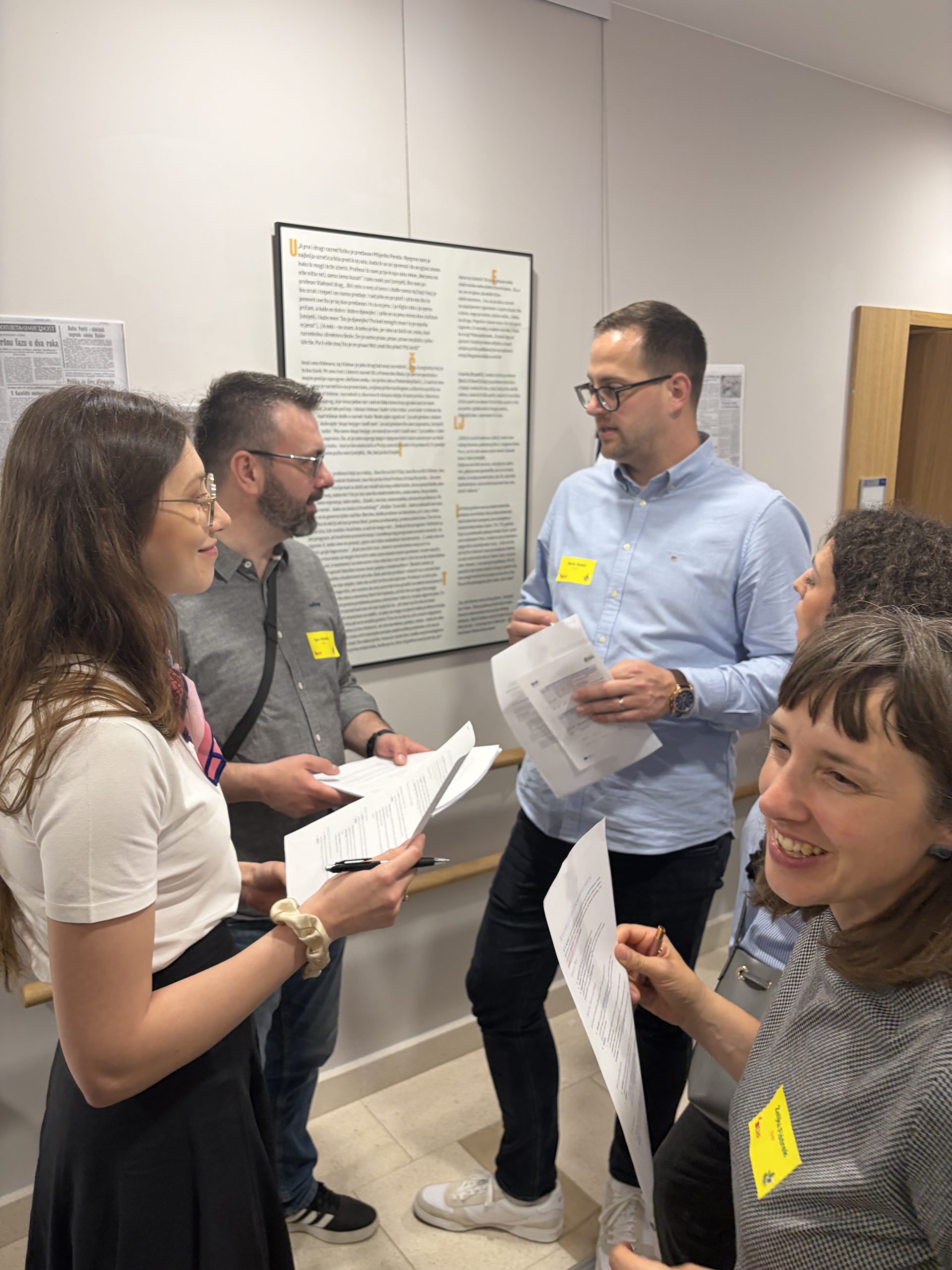
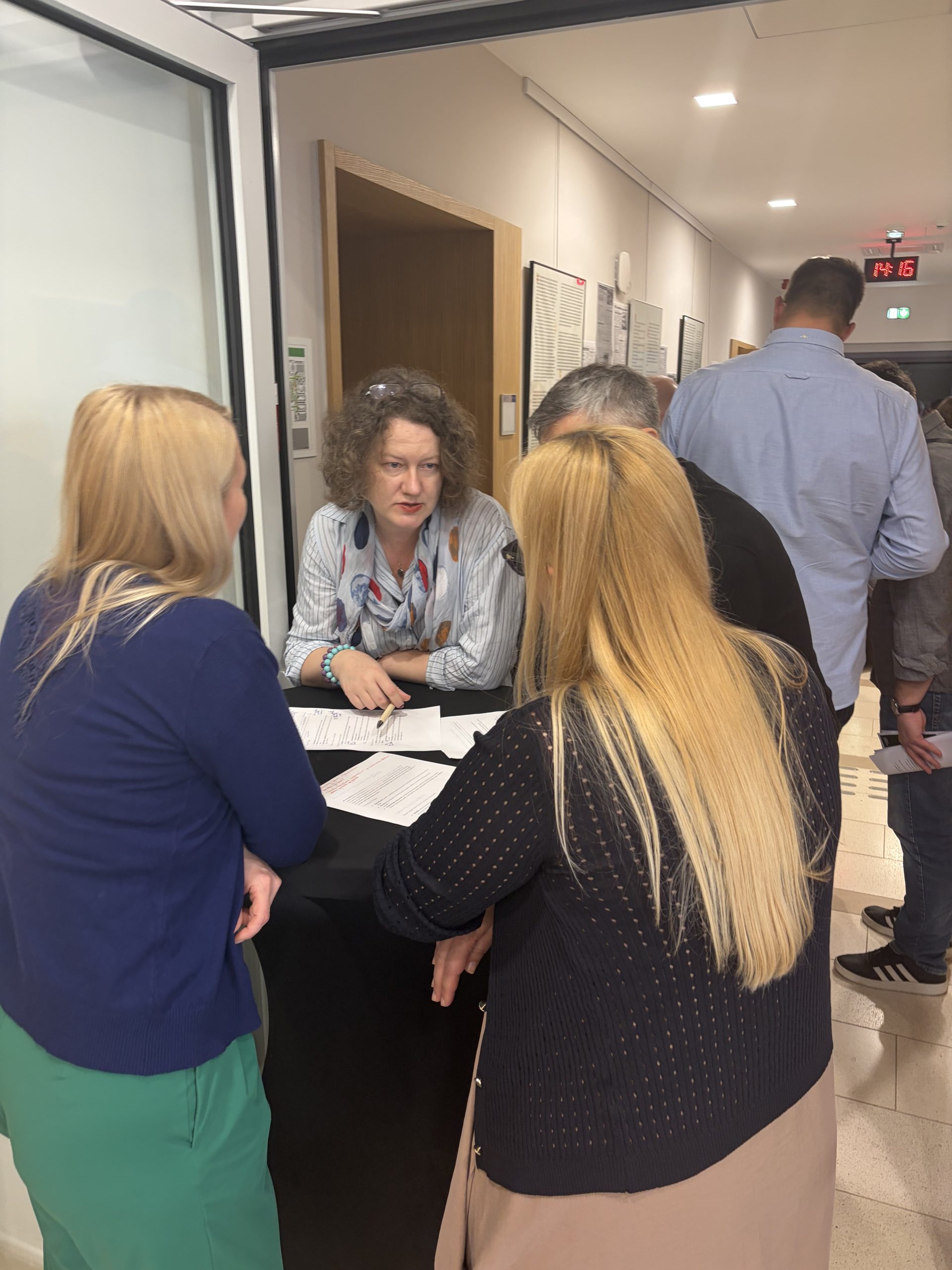
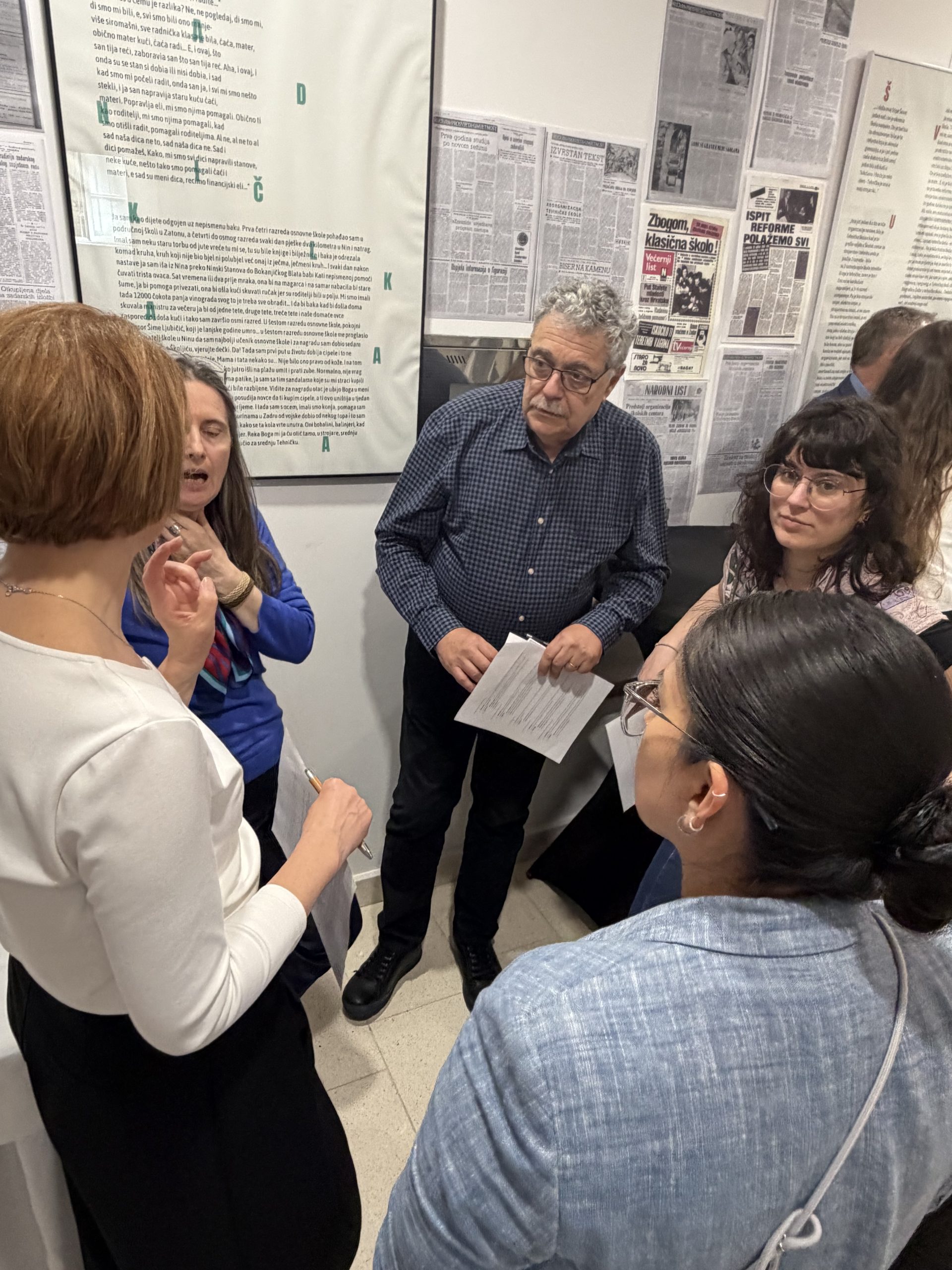
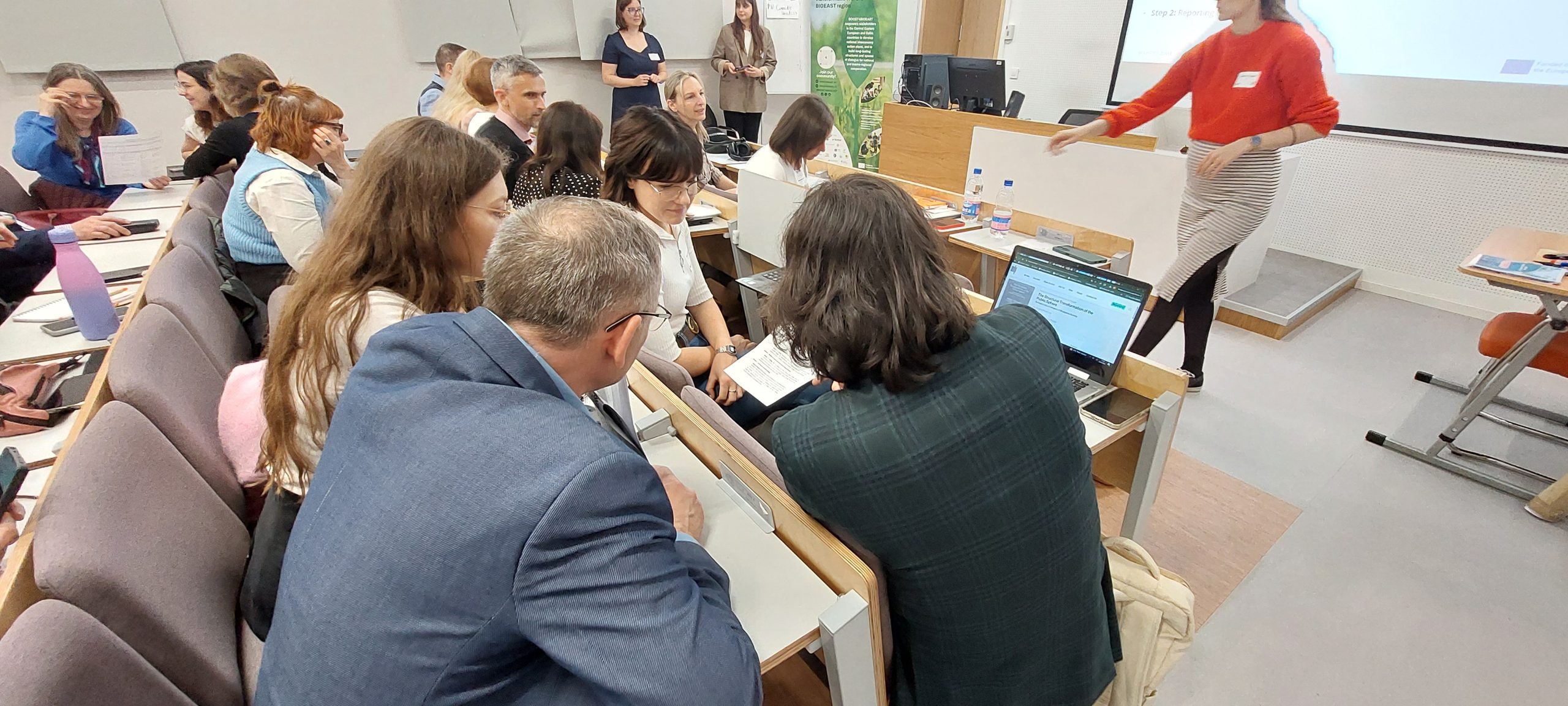
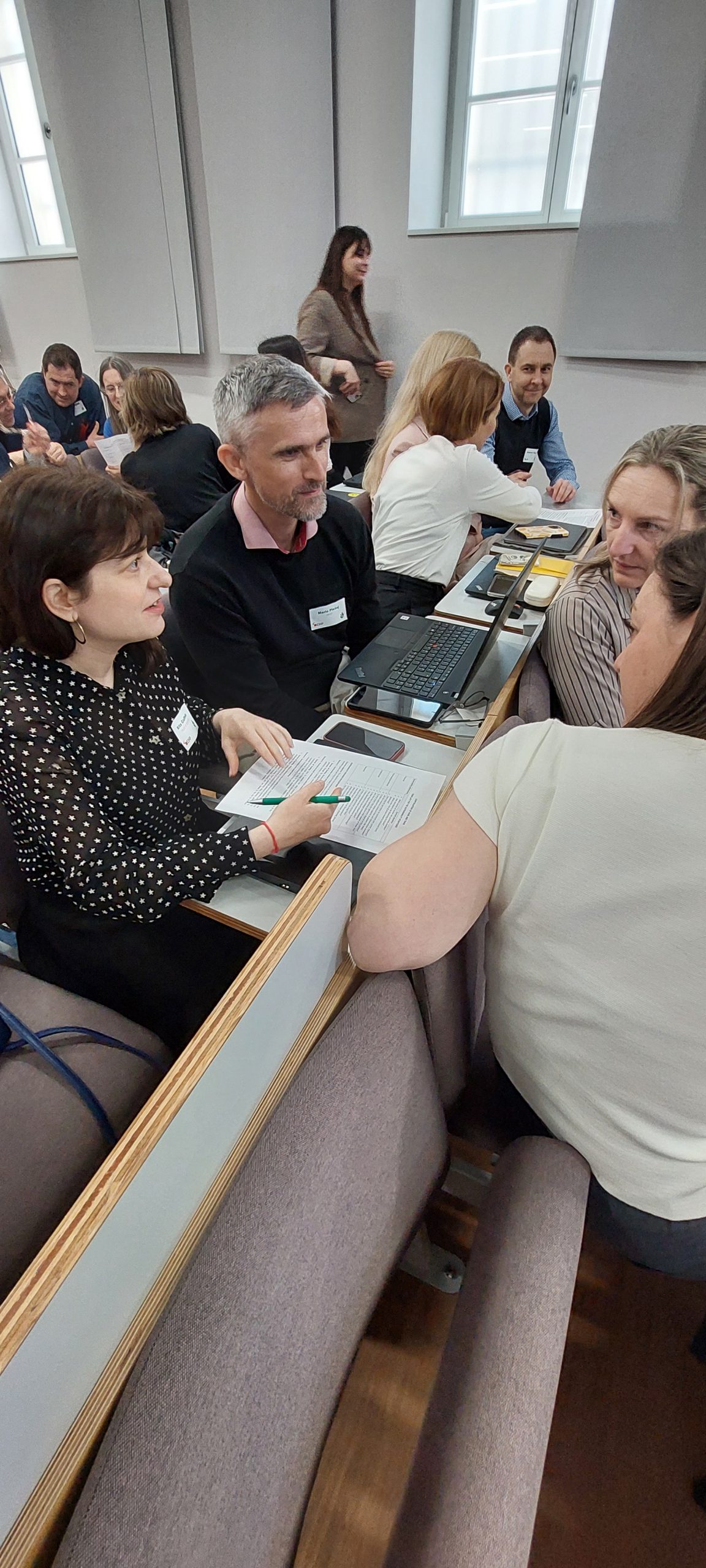
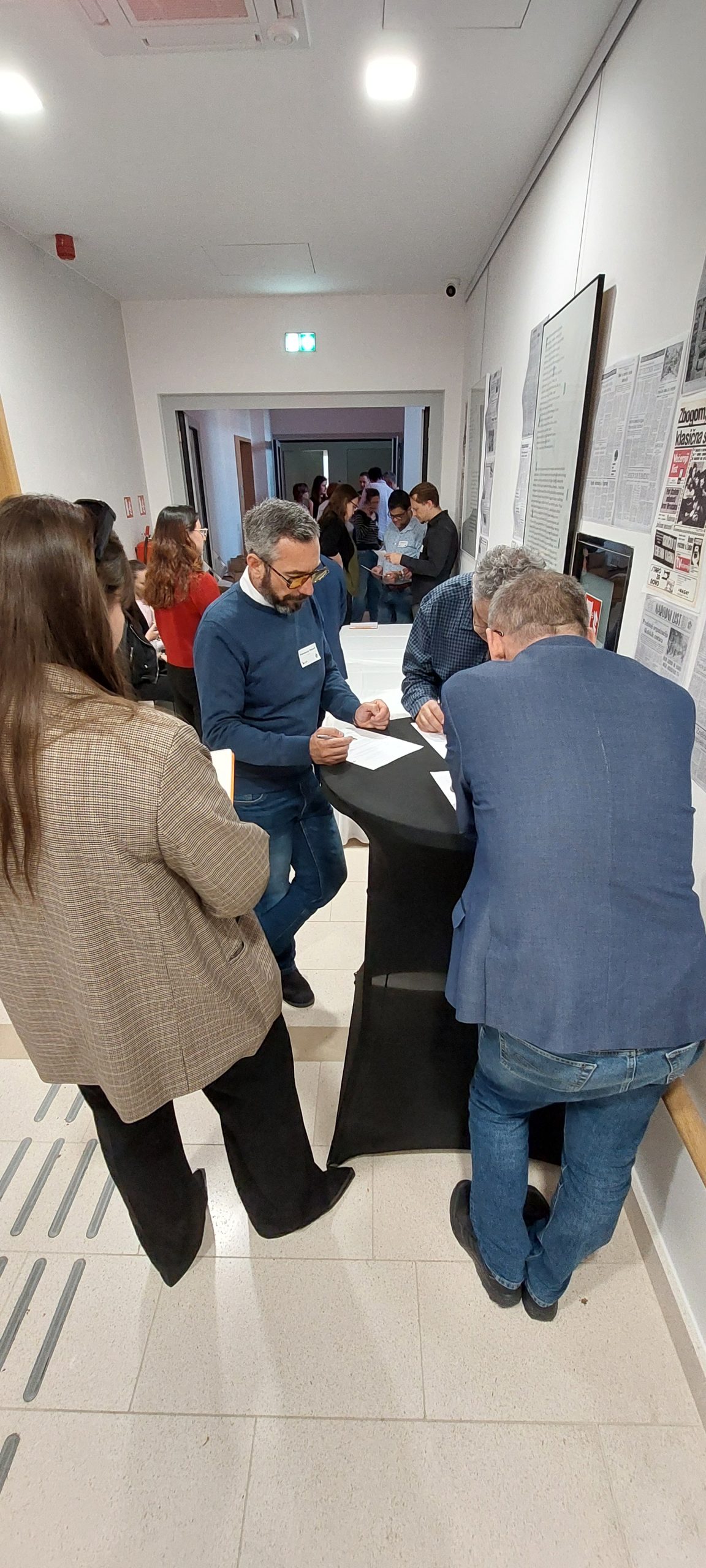
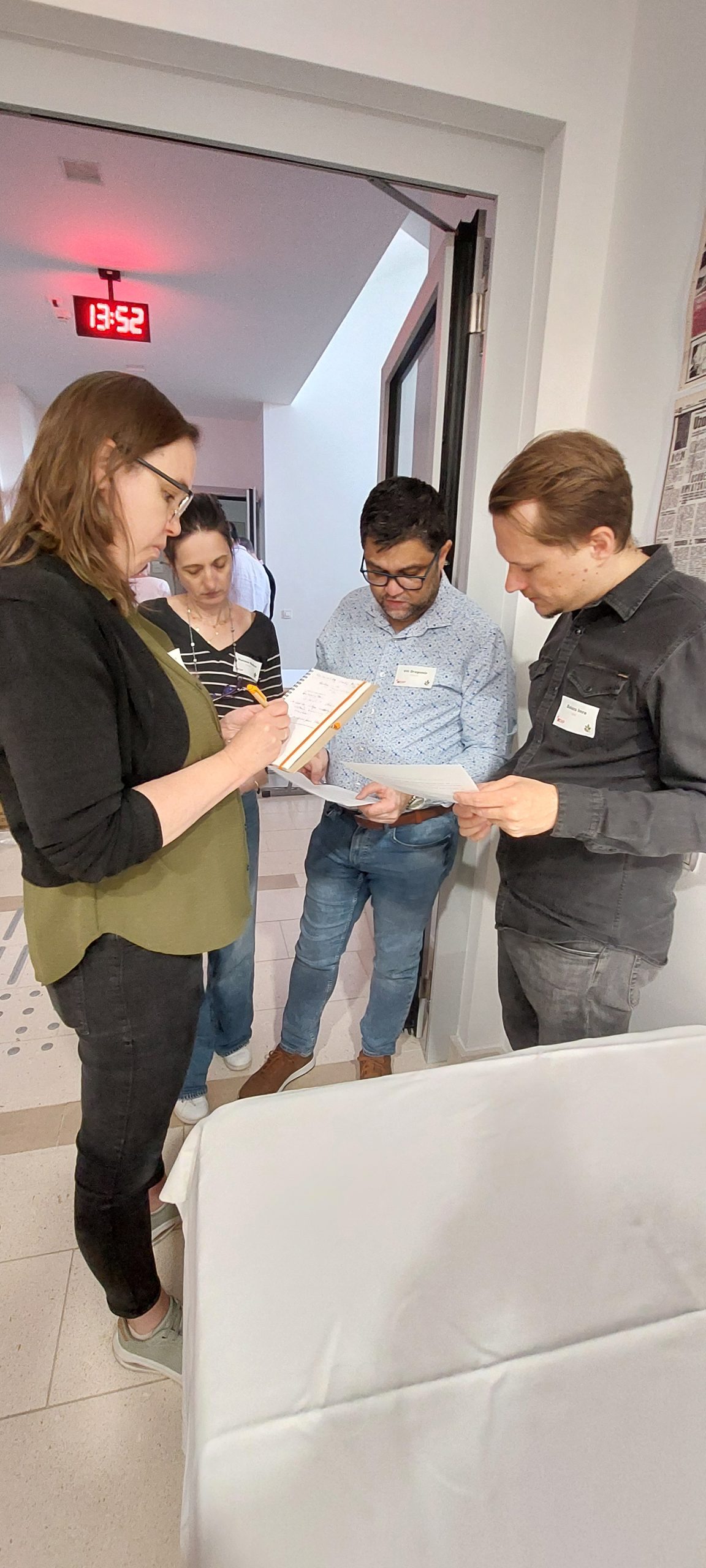
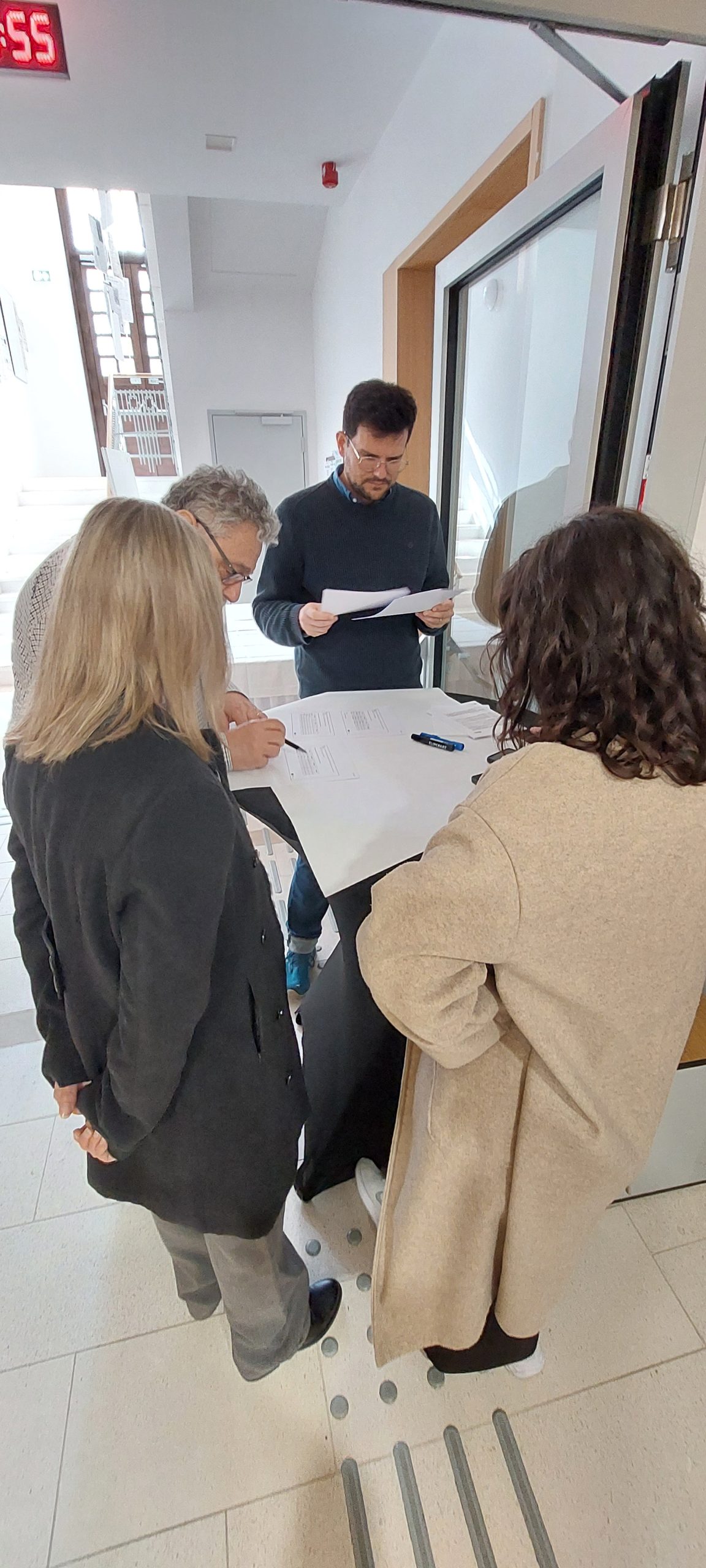
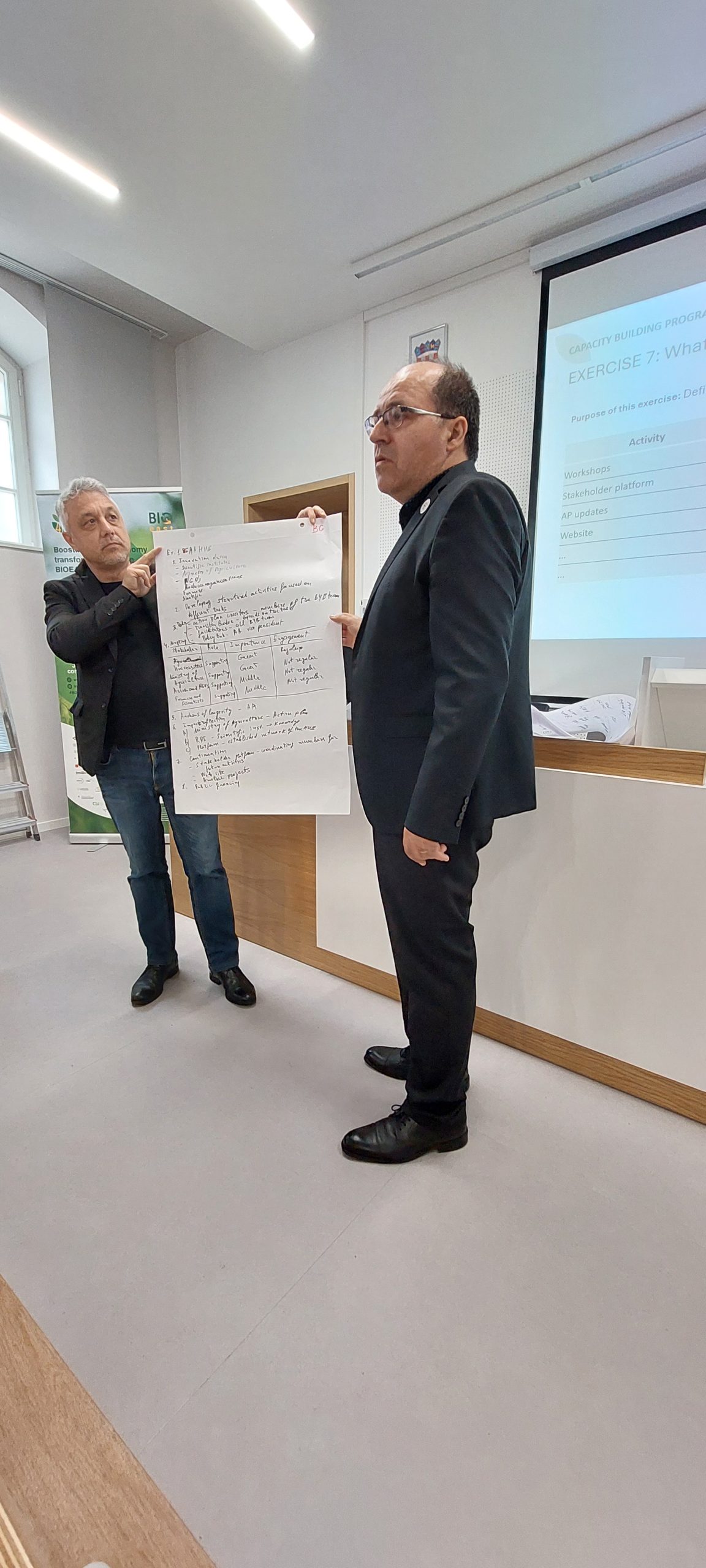
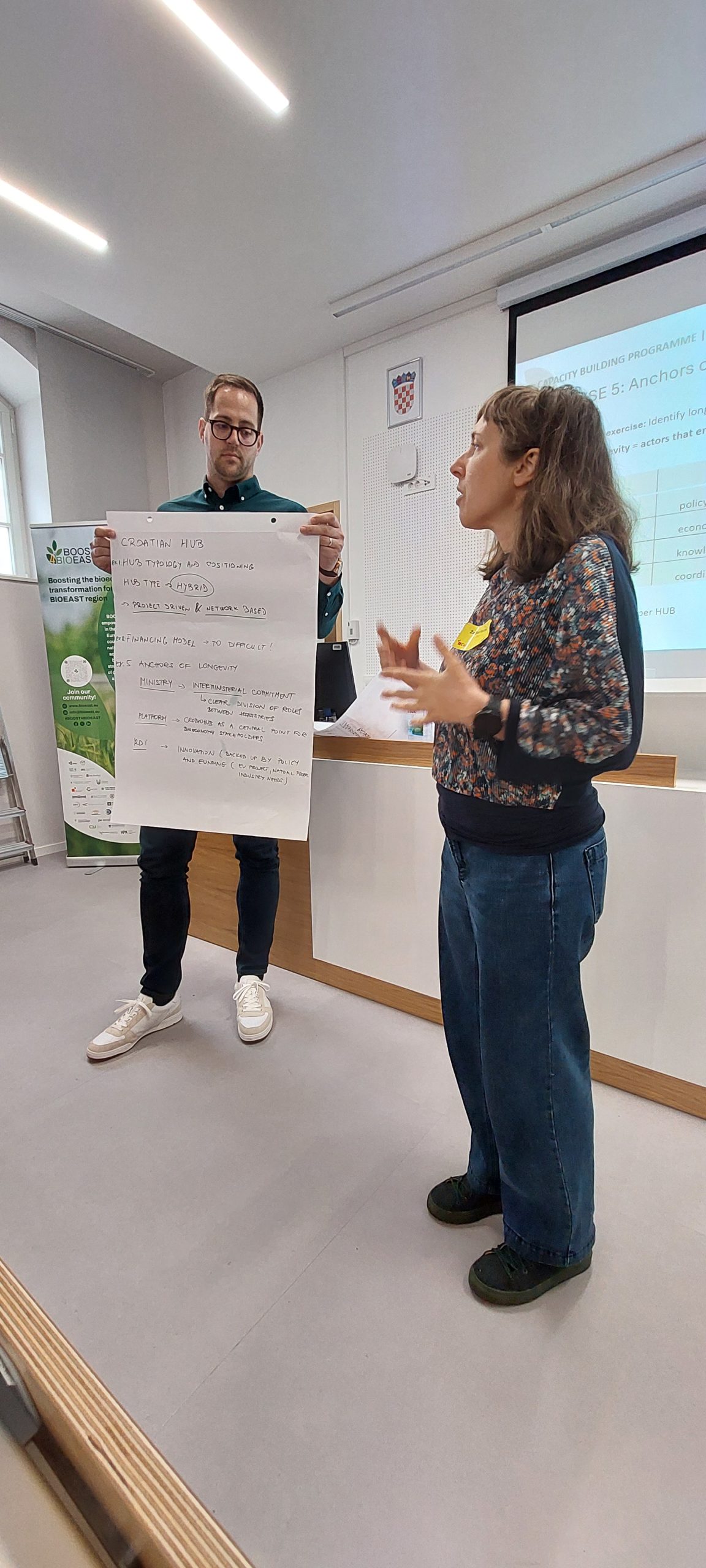
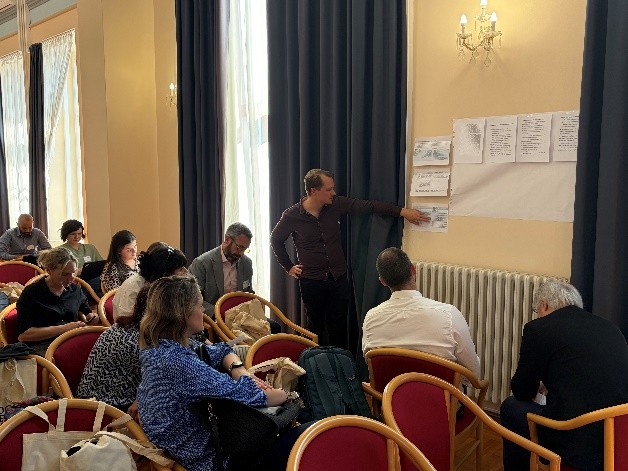
Following the panel, an action plan valorisation workshop took place engaging every participant to discuss how to transform strategic documents to action moderated by Valeria Csonka from ÖMKi. The session began with Aleksejs Nipers, Associate Professor and Leading Researcher from Latvia University of Life Sciences and Technologies, who talked about the successful example of Latvia’s bioeconomy action plan implementation emphasising that an action plan without a strategy loses direction and the importance of meaningful stakeholder involvement that ensures ownership. In the interactive session, participants worked in pre-assigned groups of 8–10 people with the aim to help them understand how strategic documents could be turned into concrete actions under different decision-making conditions. Participants took on roles such as decision-makers, policy designers, stakeholders, and observers. During the exercise, participants explored various implementation options, negotiation strategies, and barriers.
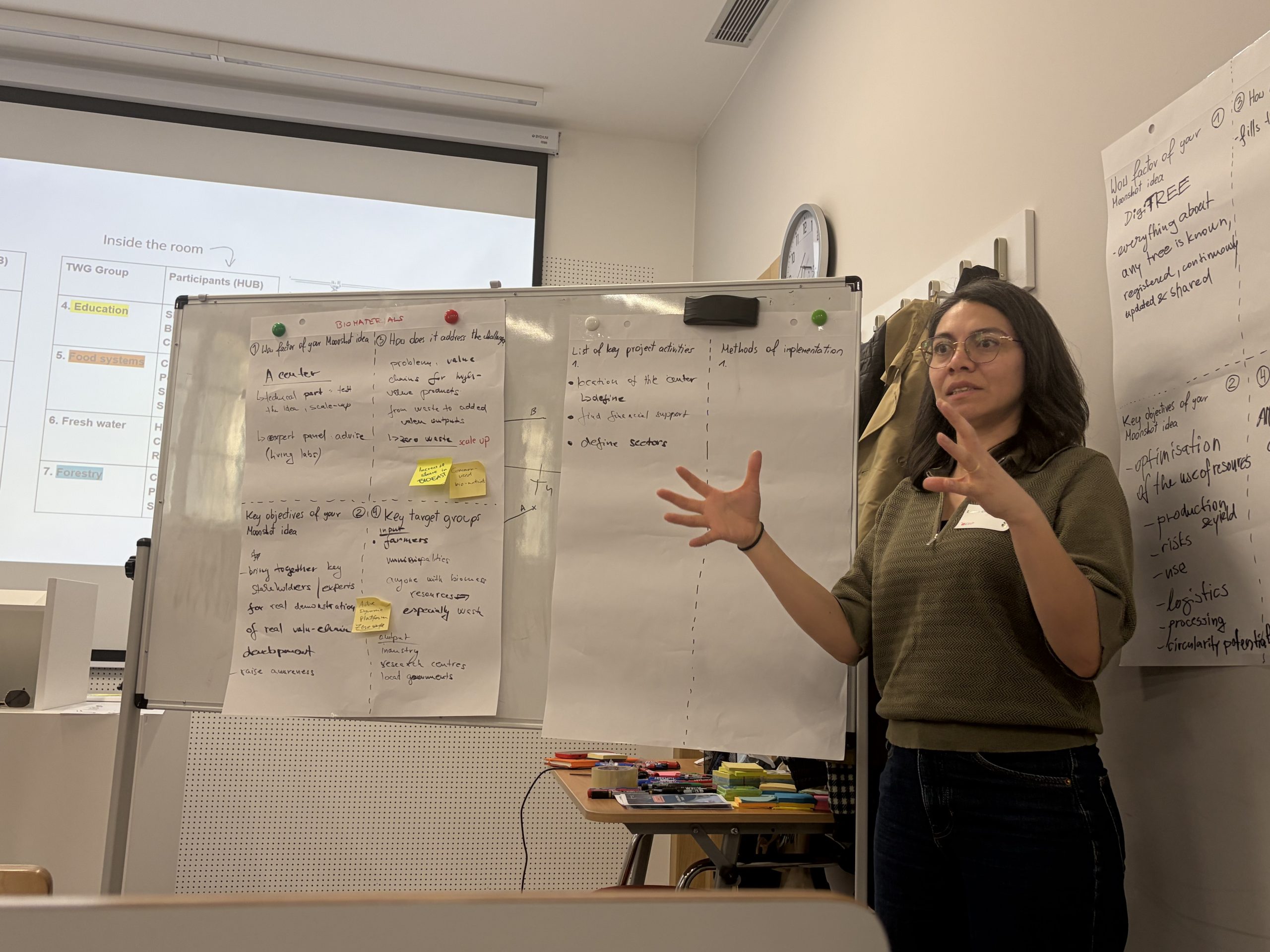
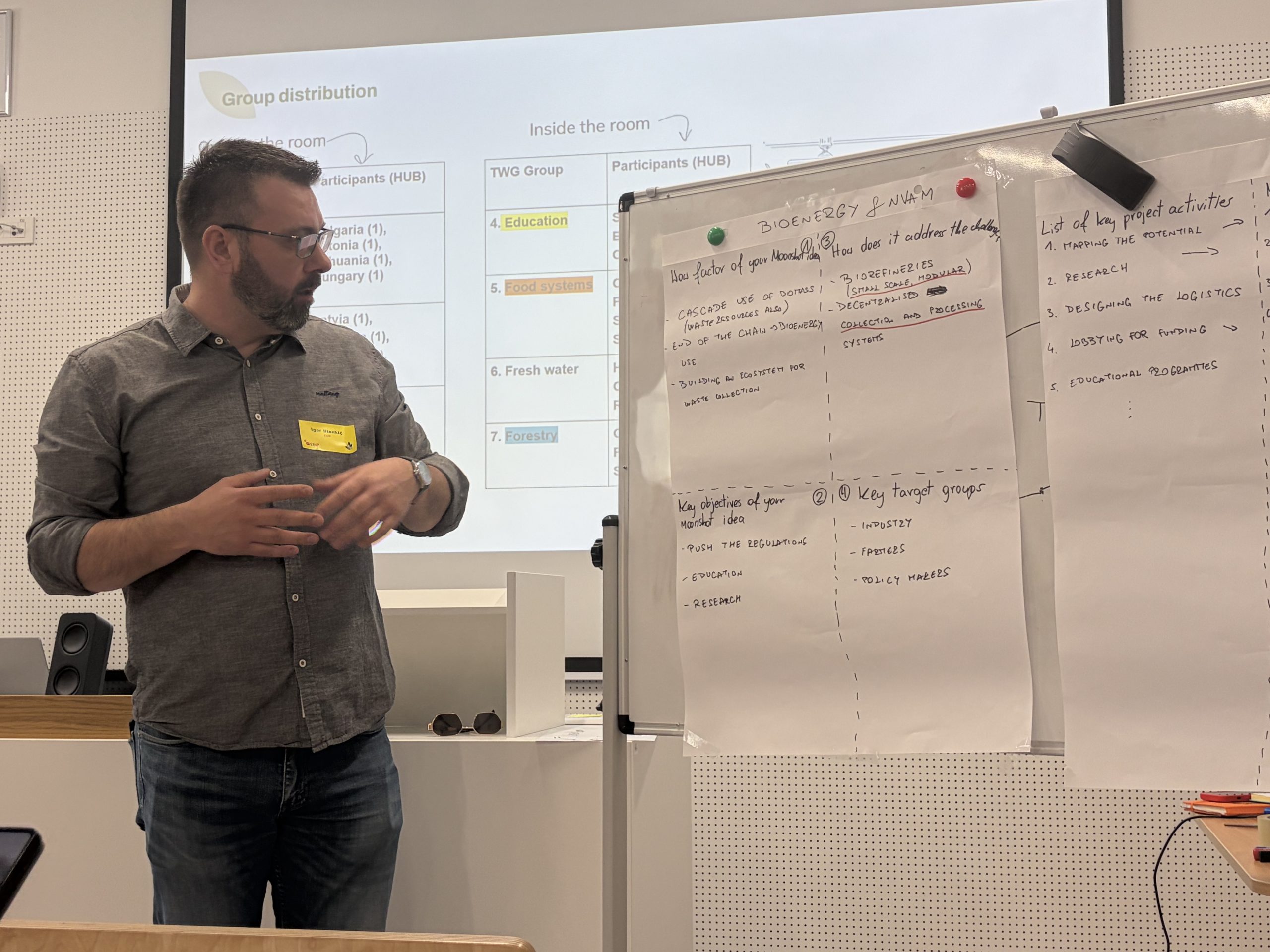
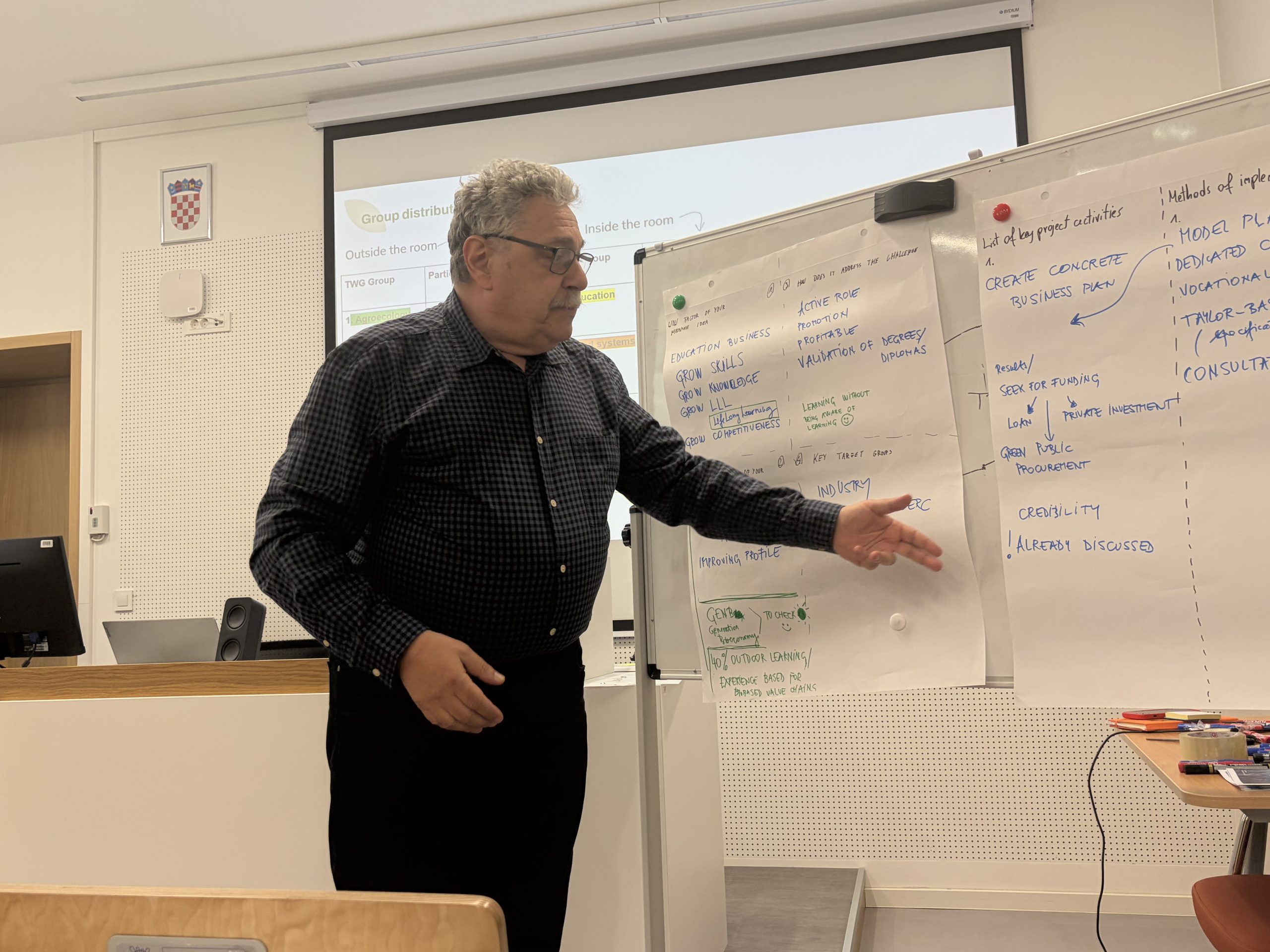
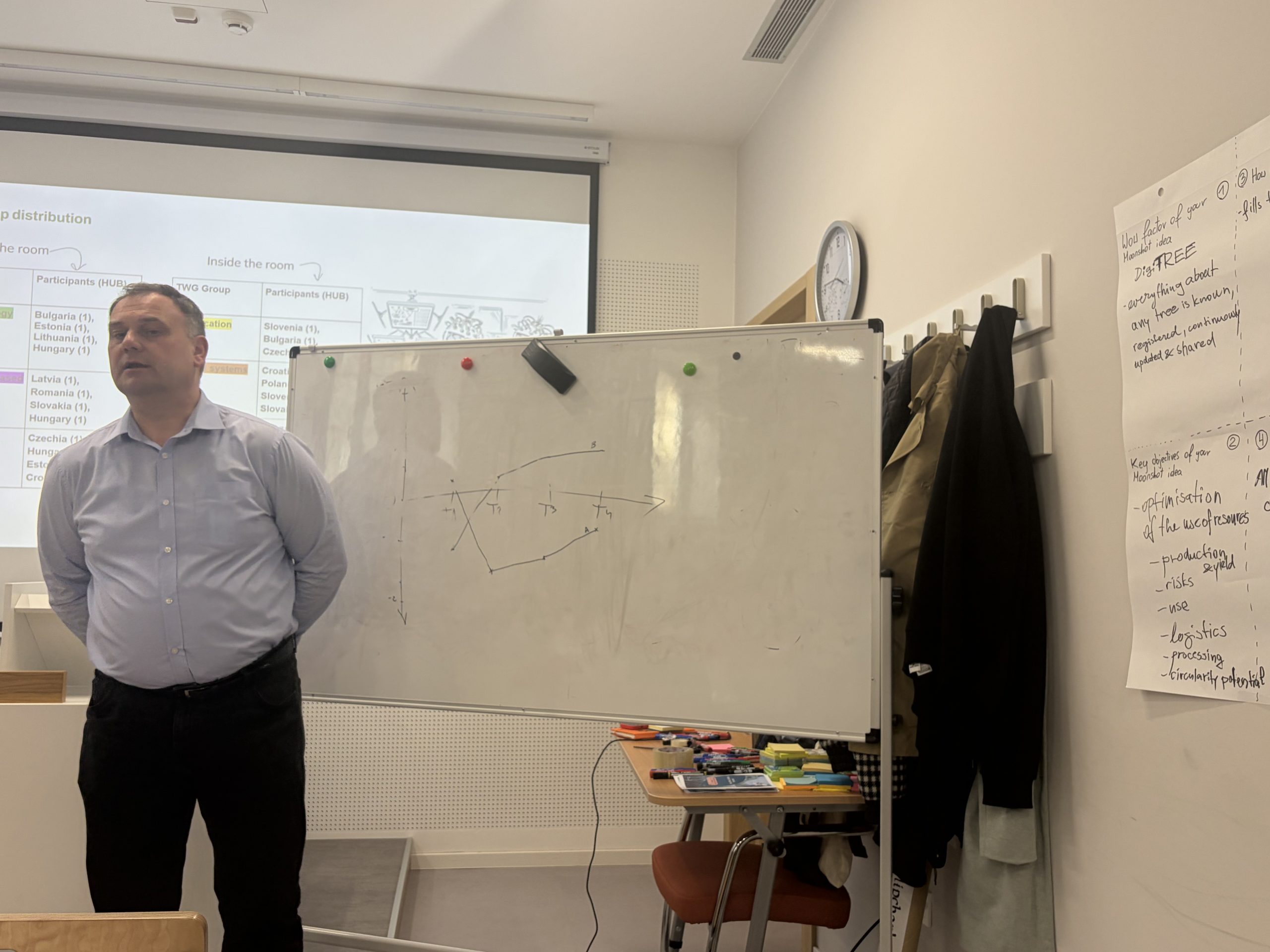
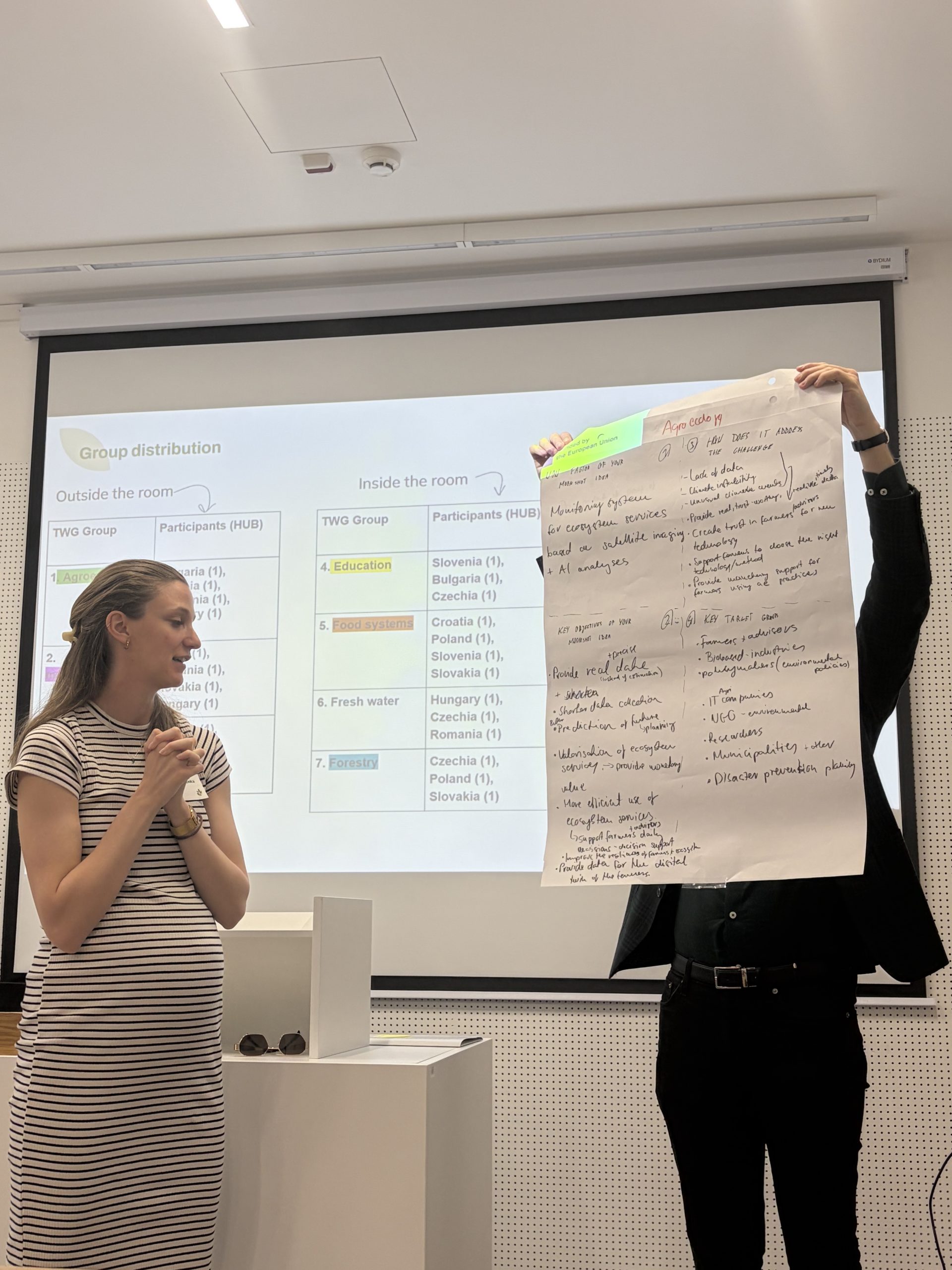
The day concluded with the closed TWG sessions discussing the finalisation of thematic SRIAs across seven thematic priority areas (agroecology, bioenergy, food systems, forestry, freshwater-based bioeconomy, education, and advanced biobased materials), the upcoming science-policy dialogues and continuing the joint work in the BIOEASTWIDE project.
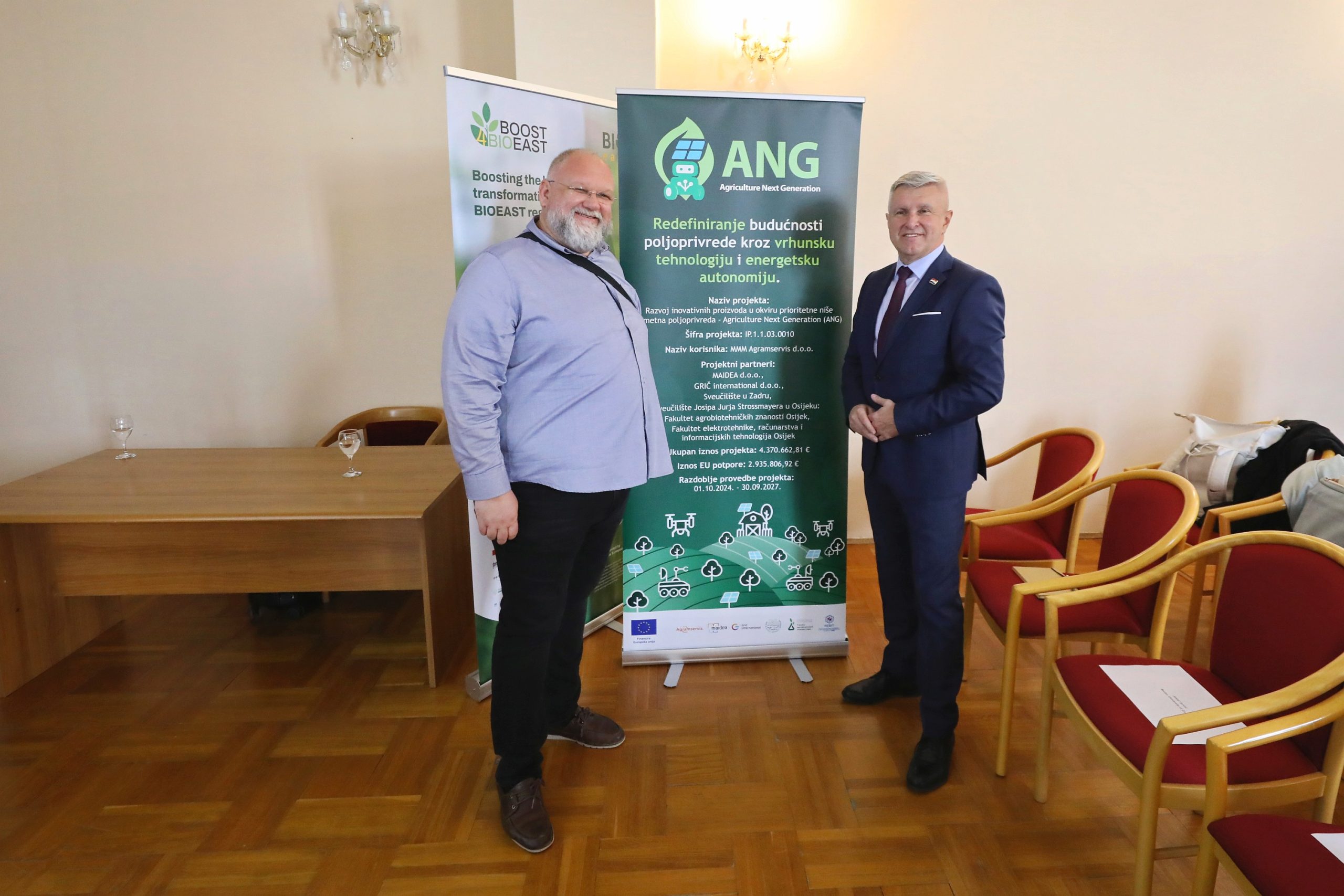
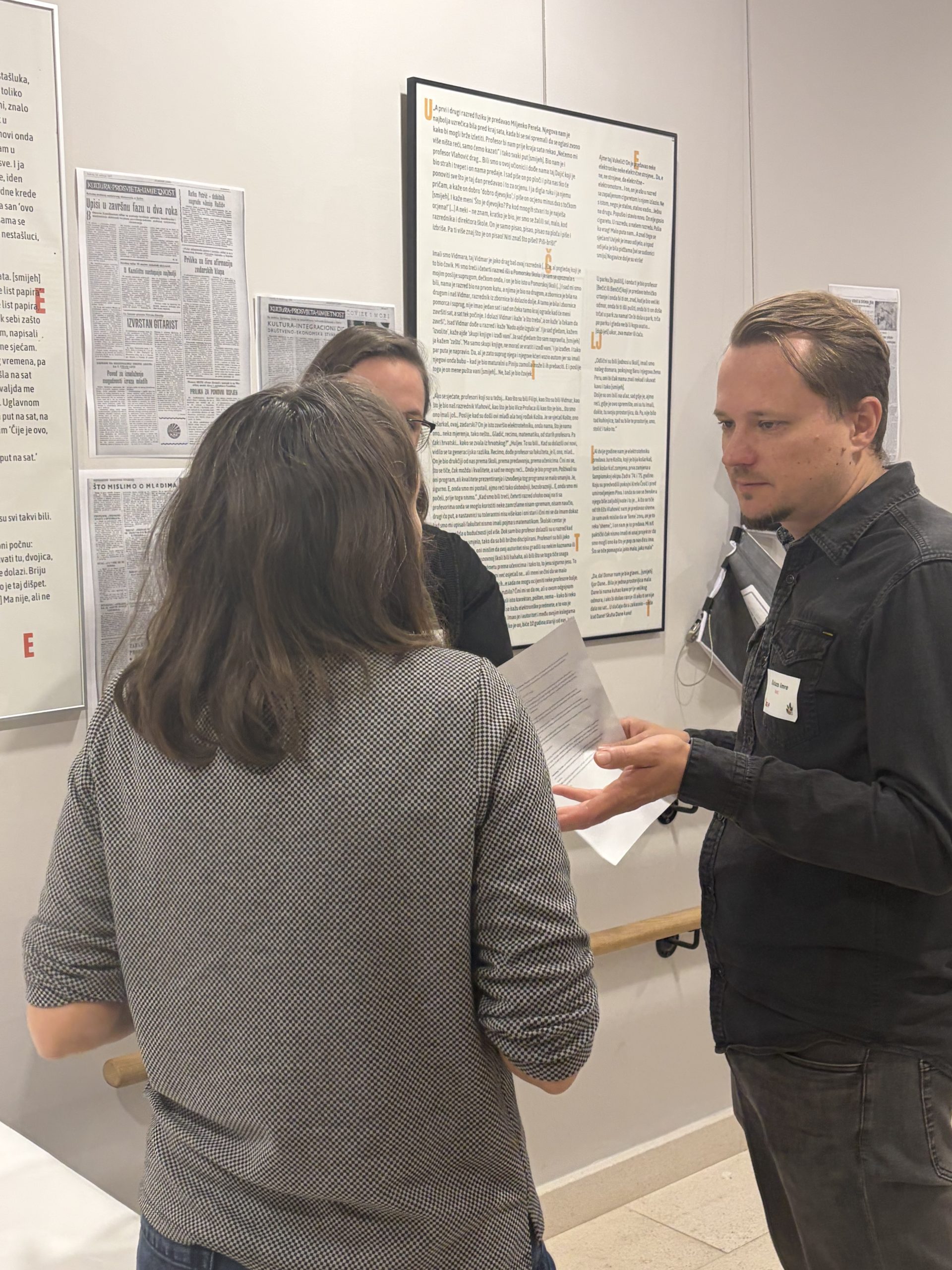
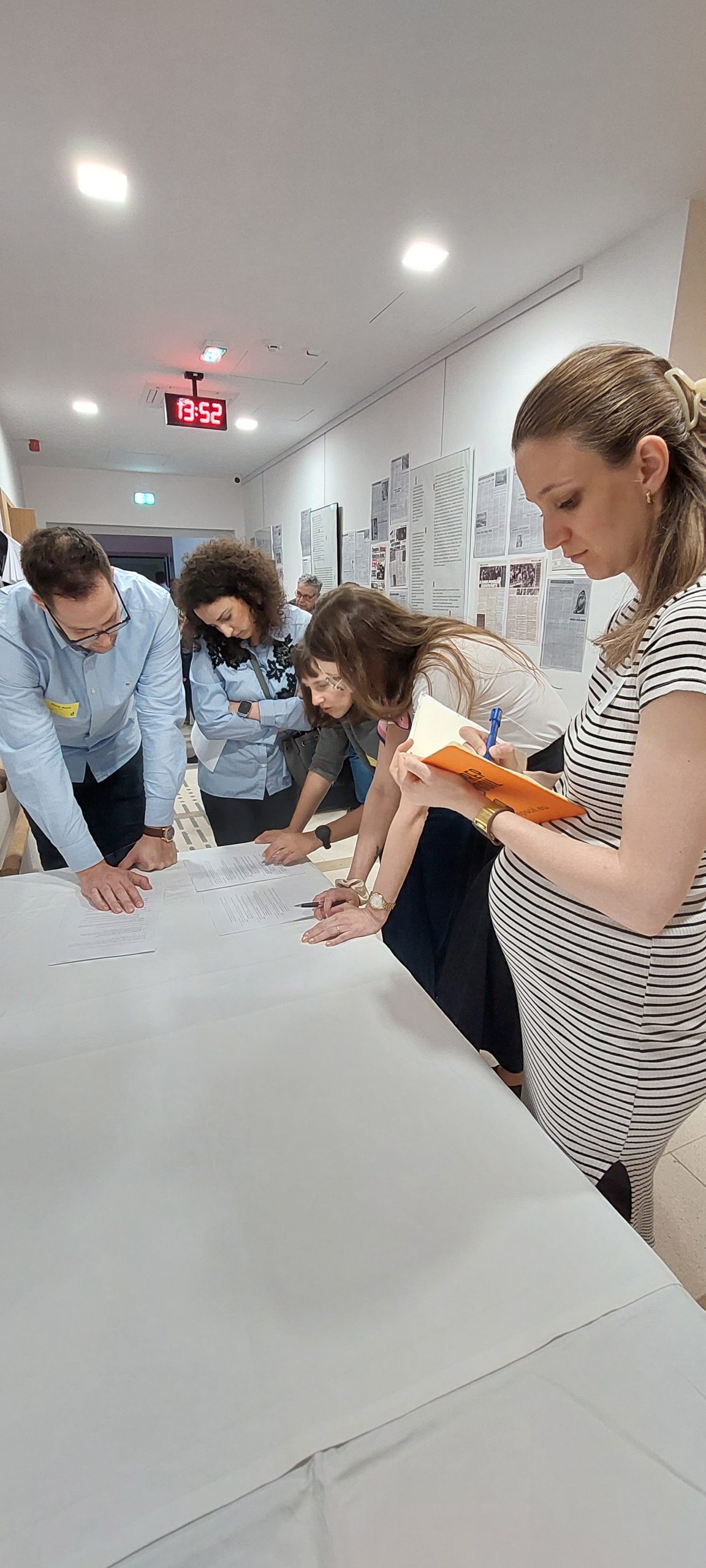
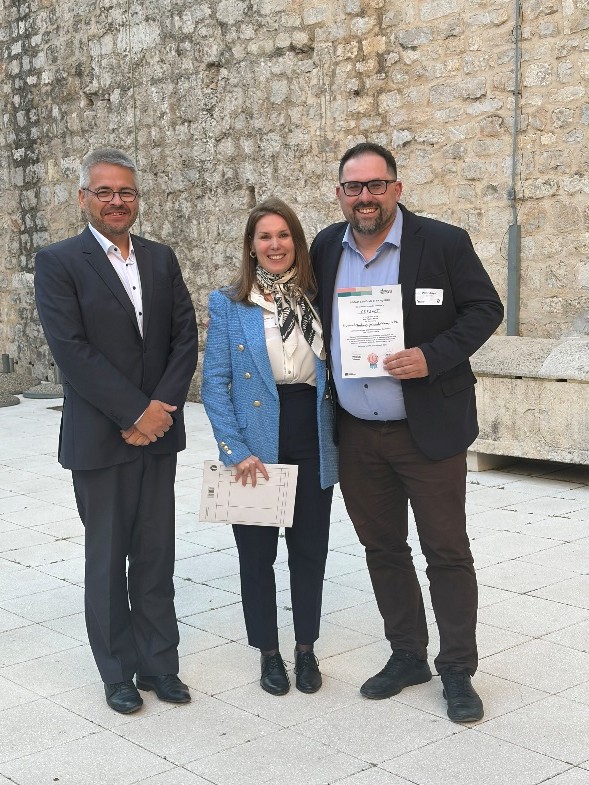
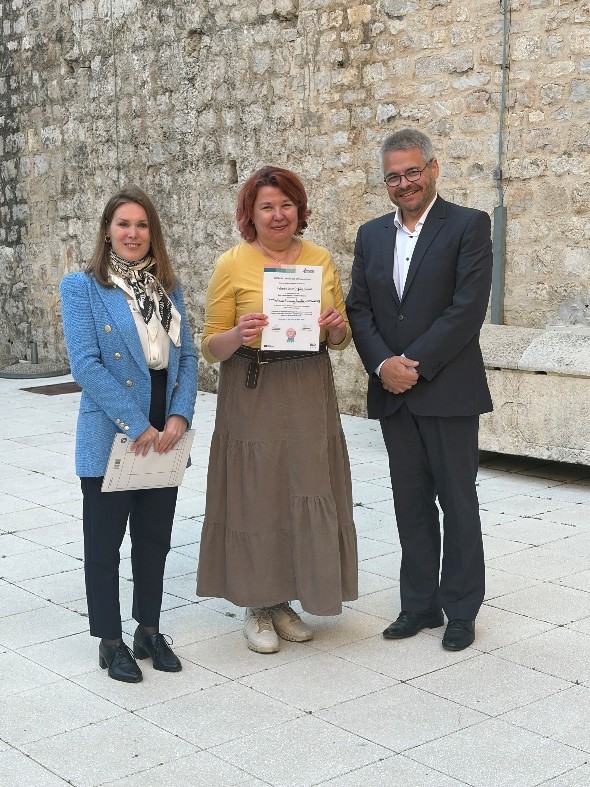
The conference also featured a poster exhibition which showcased 19 posters on best practices and projects focusing on advancing bioeconomy policy and governance from the BIOEAST countries or relevant to the macro-region. Best Poster Awards recognized outstanding contributions to the field which were given to “Co-creating a National Roadmap for Circular Bioeconomy in Poland: A Bottom-up, Multi-Actor Approach” poster presented by Piotr Jurga from Institute of Soil Science and Plant Cultivation State Research Institute, Poland and to “Boosting Circular Bioeconomy Innovation in Estonia BIOEAST HUB” poster presented by Olha Aleksandrova from the Estonian University of Life Sciences.
Field trips closed the conference on the next day. The participants had the opportunity to visit two unique practical examples of sustainable and circular bioeconomy solutions; a traditional cheese dairy on the Island of Pag, Sirana Gligora and one of the oldest working saltworks in Europe, the organically certified Nin Saltworks.
The conference was part of a series of events, organized back-to-back with the meetings of the BIOEAST Board, TWG Coordinators and B4B annual project meeting making the week between 20-23 April specifically dedicated to the BIOEAST community in Zadar.
We would like to thank all speakers and participants for offering their insights and ideas on shaping the future of the macro-region’s bioeconomy and hope to meet again at the Final Conference of the project held in Brussels on 25 November.
Conference related materials are available on the BIOEAST Knowledge Platform here.